

Technical skills are valued by virtually every sector, including the finance, IT, creative and marketing fields.
This article will guide you on how to effectively list and present your technical skills on your resume to increase your chances of landing your ideal job.
Below, you will discover:
- How to tailor your resume to highlight the most relevant technical skills
- How to present your technical skills in the skills, experience, and education sections of your resume
- Tips for using our AI-powered resume builder to quickly create a standout resume that showcases your technical skills
What Are Technical Skills on a Resume?
A technical skill is the ability to perform a specific task that requires specialist knowledge. One example of a technical skill is programming: it’s an ability that you have to learn and develop.
Technical skills contrast with soft or interpersonal skills, which are hard to teach. You have to develop these through experience with people.
Technical skills are also known as “hard skills” and you normally learn them either on-the-job or they involve training. Computer skills are a type of hard or technical skill.
Tech skills vs. Technical skills
Tech skills usually refer to abilities tied directly to digital technology. This includes coding, software development, data analysis, IT support, computers, and digital systems.
Technical skills are a broader term that refers to specialized knowledge needed to perform a job. Technical skills include fields beyond IT, like machinery operation, engineering, or project management.
Why Are Technical Skills Important For Finding a Job?
Having up-to-date technical skills on your resume not only demonstrates your expertise but also shows that you’re prepared to contribute to the latest advancements in the industry.
In particular, skills in Data Analysis, Artificial Intelligence (AI) and Machine Learning (ML), Cloud Computing (AWS/Azure, Cybersecurity, and HR Information Systems (HRIS) were the top 5 skills required in 2026.
In fact, the World Economic Forum research indicates that by 2027, 44% of workers’ core skills will be disrupted because **technology is advancing faster** than companies can design and scale their training programs.
This highlights the importance of continually developing your hard skills to keep up with the fast-changing job market. Here are a few more reasons why improving your technical skills is essential:
| Why Technical Skills Matter | How They Help Your Resume |
|---|---|
| They demonstrate your expertise | Employers value candidates who can quickly contribute to projects, solve complex problems, and deliver results. |
| They show your adaptability | With technology changing fast, having up-to-date skills shows that you are always learning and can quickly adapt to new challenges. |
| They increase productivity | Proficiency in specific tasks or tools allows you to work more efficiently and effectively. |
| They enable innovation | With the right skills, you can bring fresh ideas, strategies, and improvements to help your organization grow and stay ahead. |
How To List Technical Skills on a Resume
Listing your technical skills alone is usually not enough. Where you place your skills and the examples you provide throughout your resume can make all the difference.
Strategically include a list of technical skills near the top of your resume so they attract the attention of both applicant tracking systems (ATS) and recruiters. Then, show them in action in your bullet-point job descriptions.
The quickest way to update your resume is by using a resume builder, which allows you to make quick edits. Additionally, our templates help you highlight your technical skills in a clean, organized, and eye-catching way.
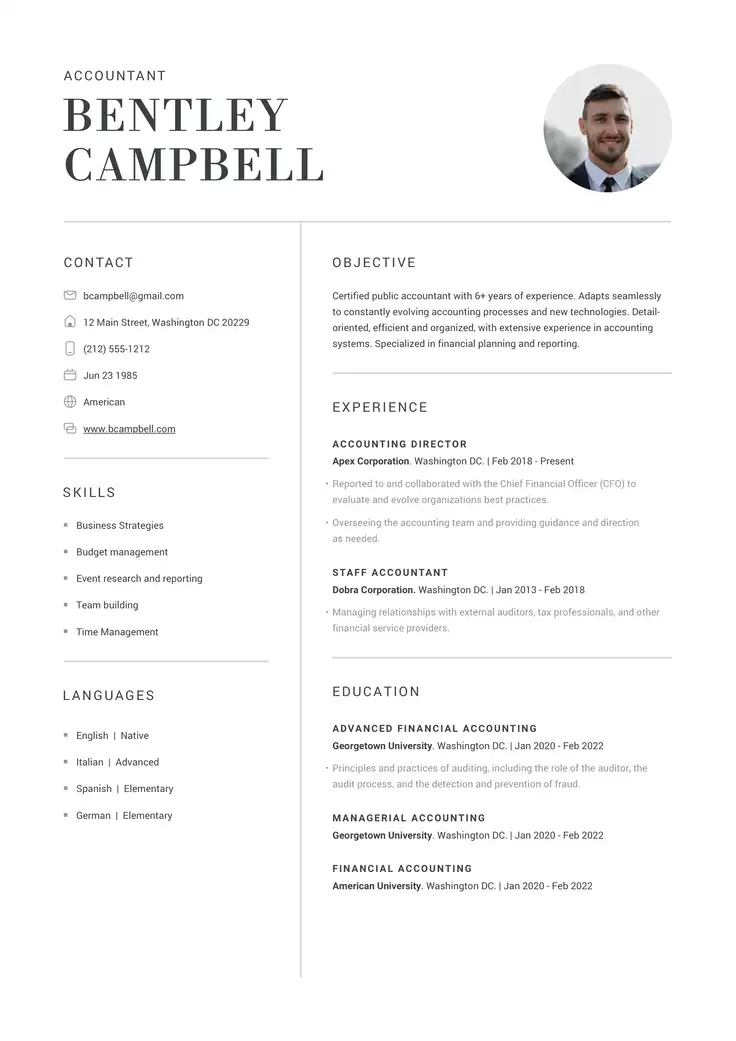
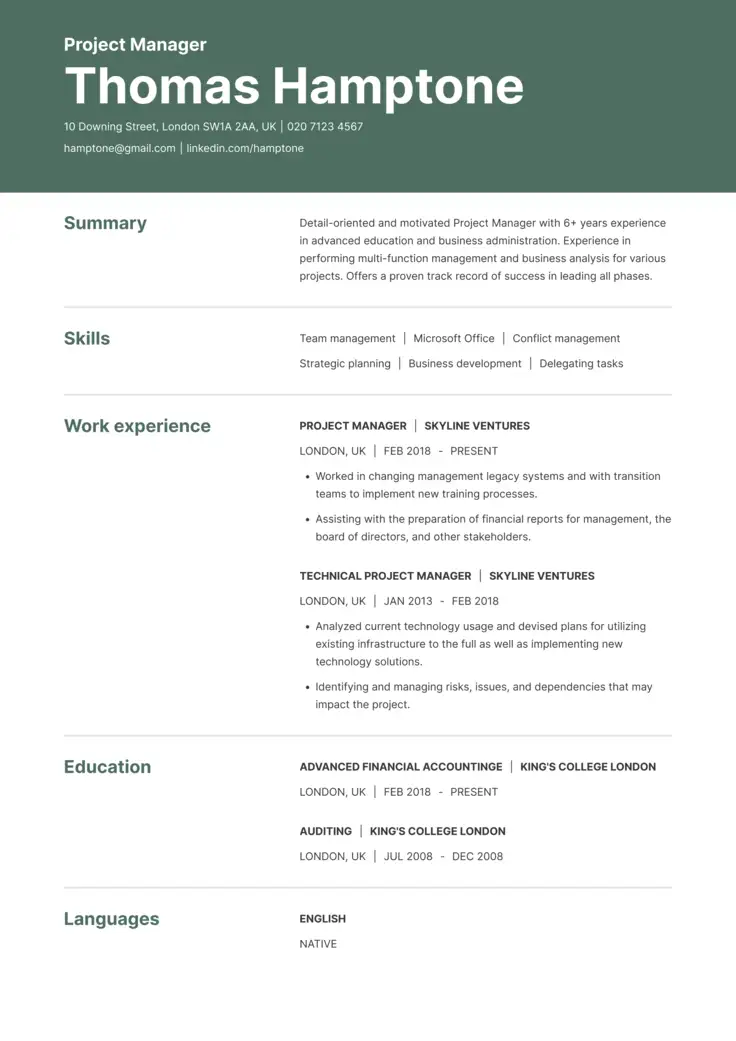
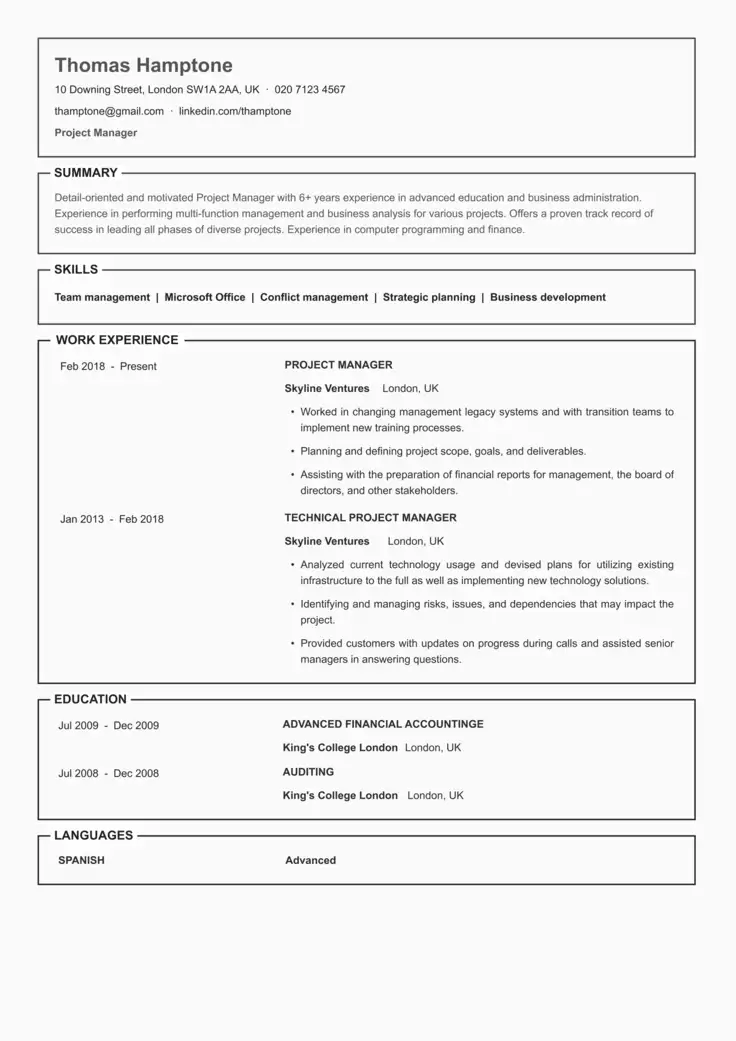
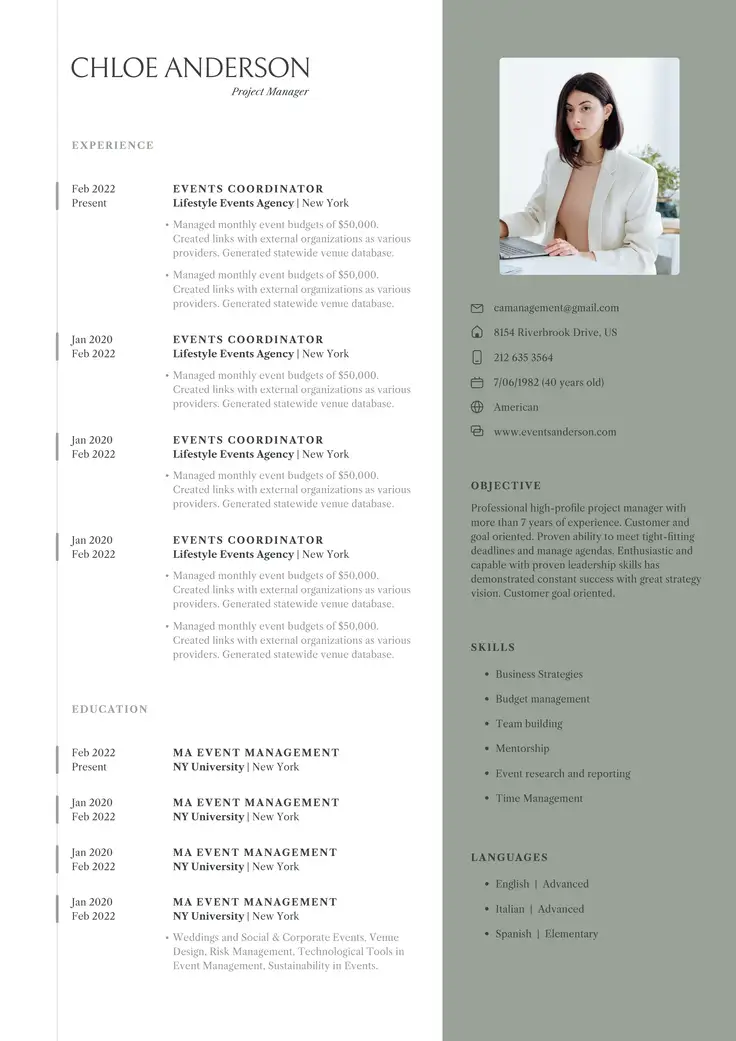
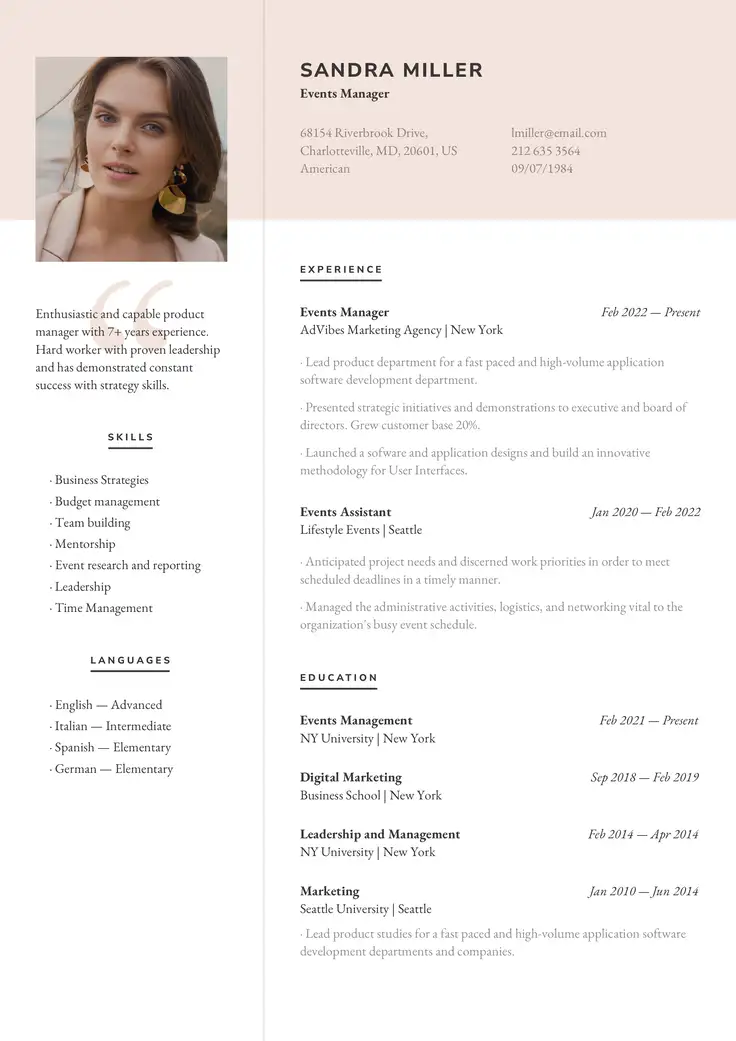
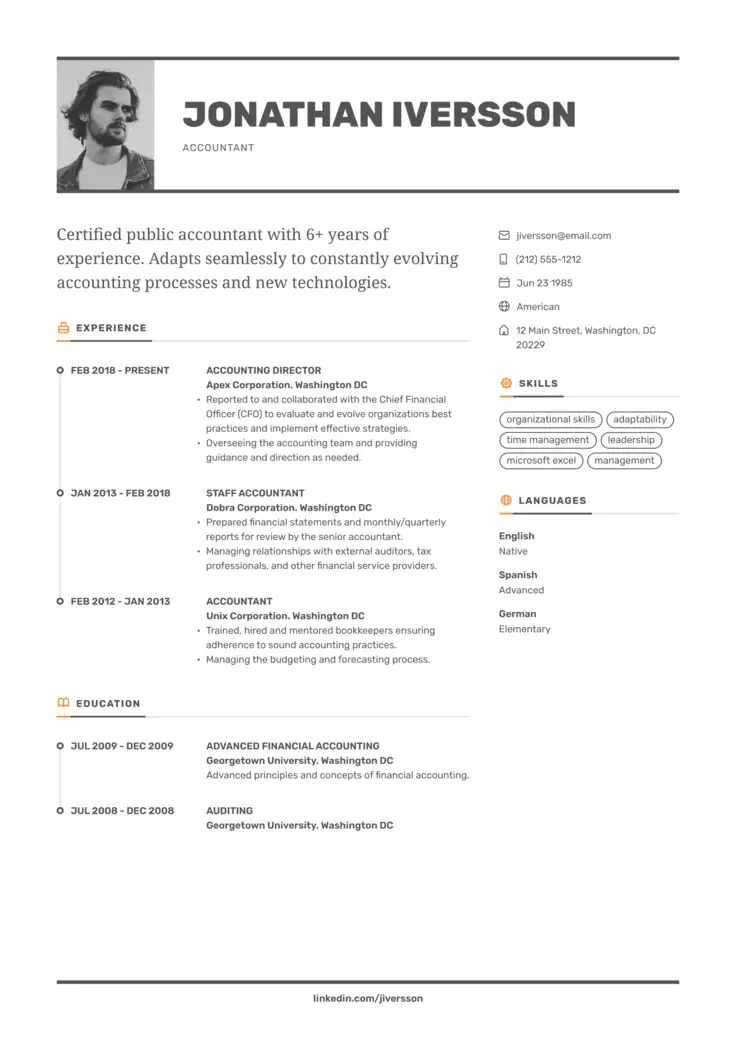
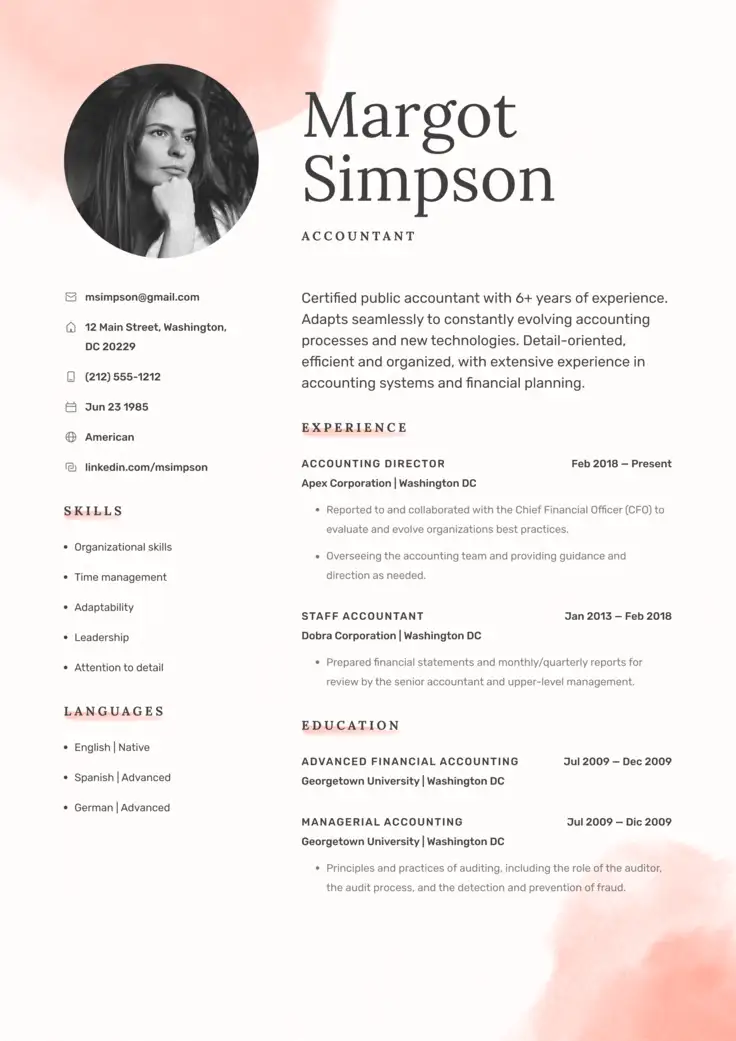
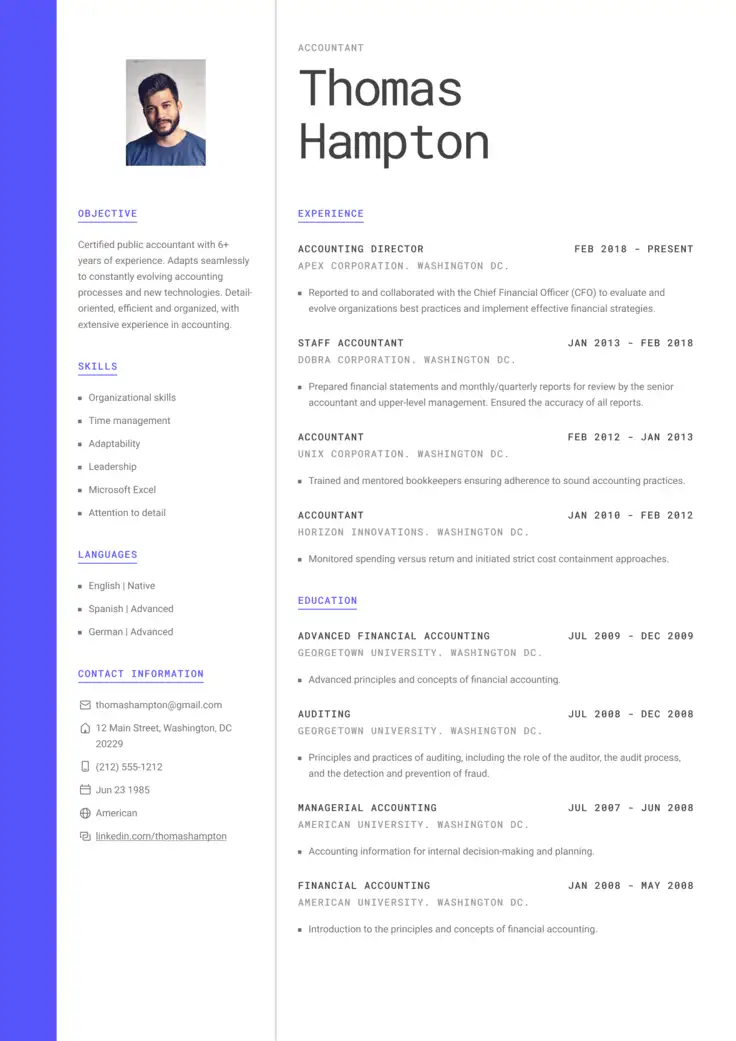
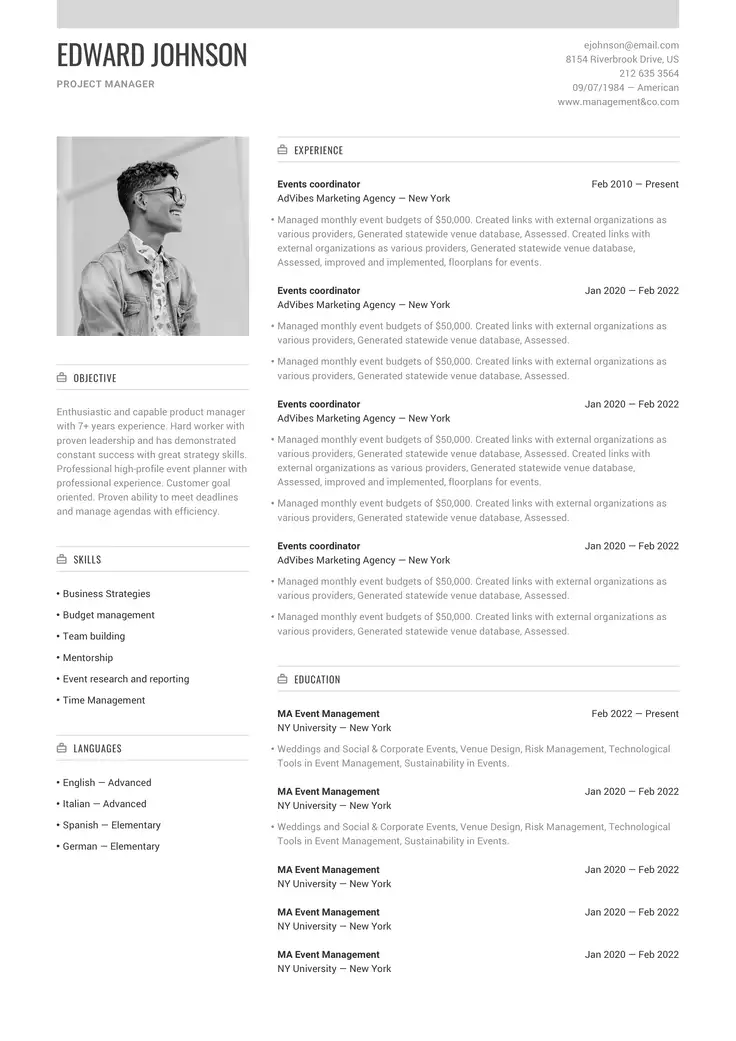
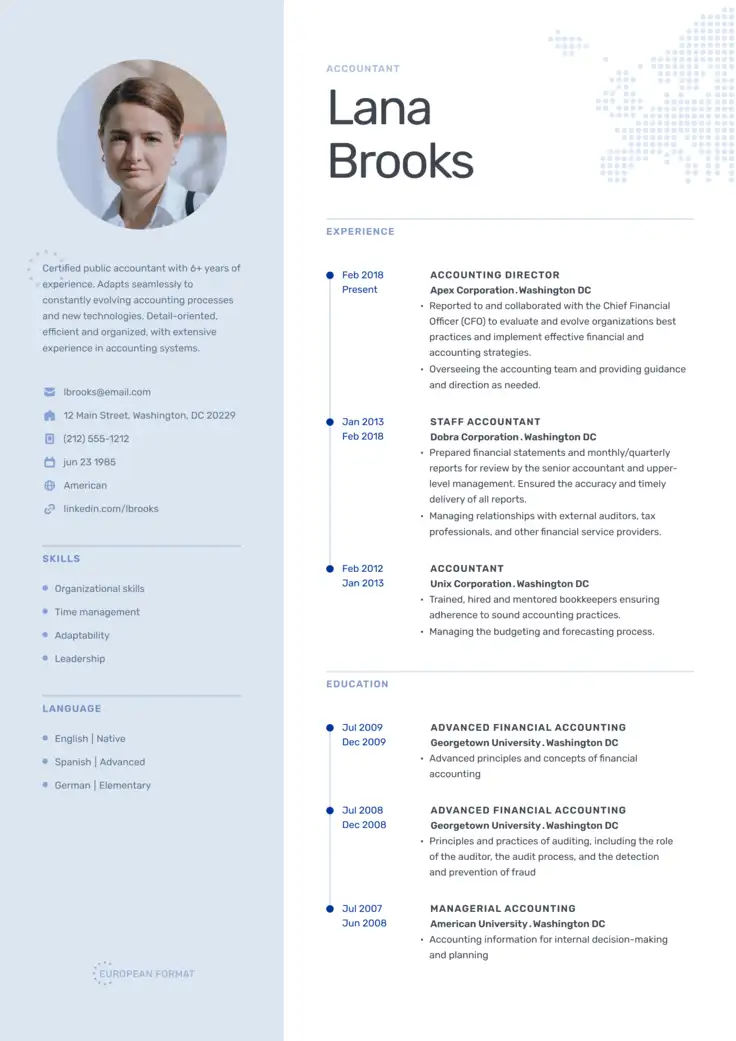
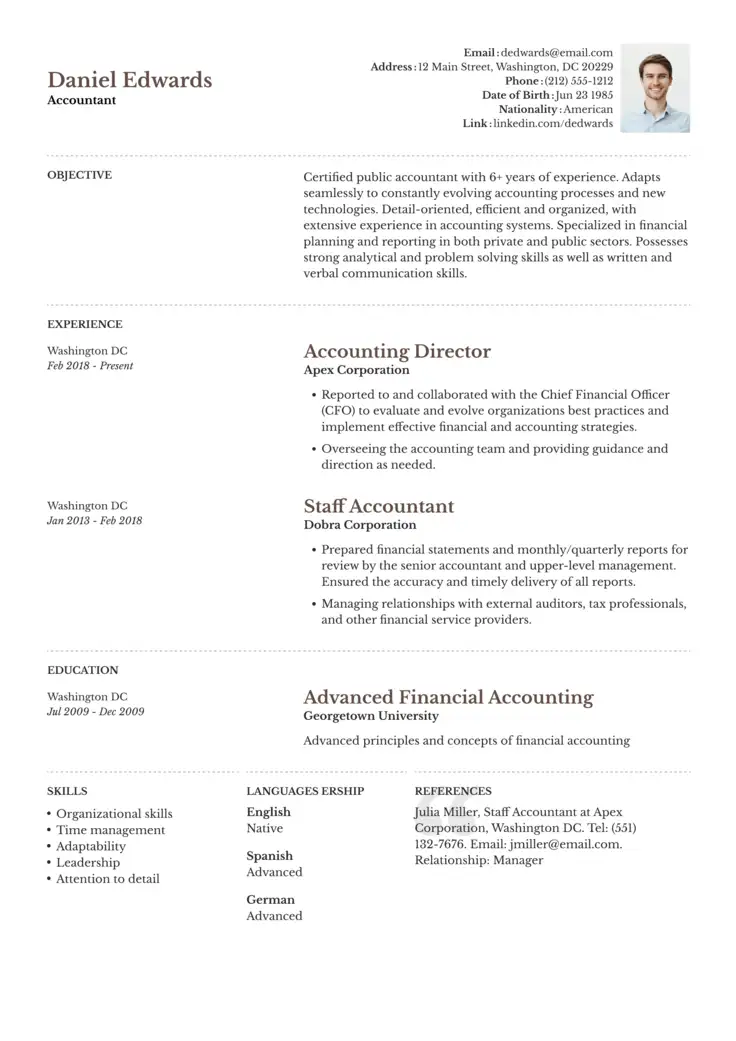
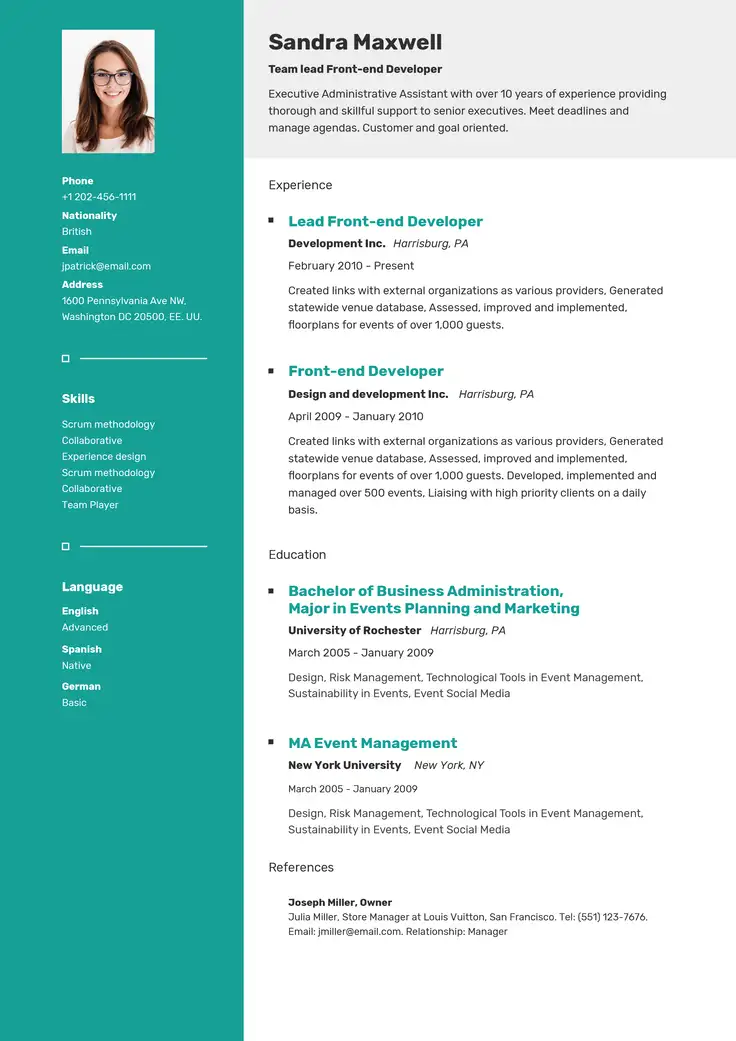
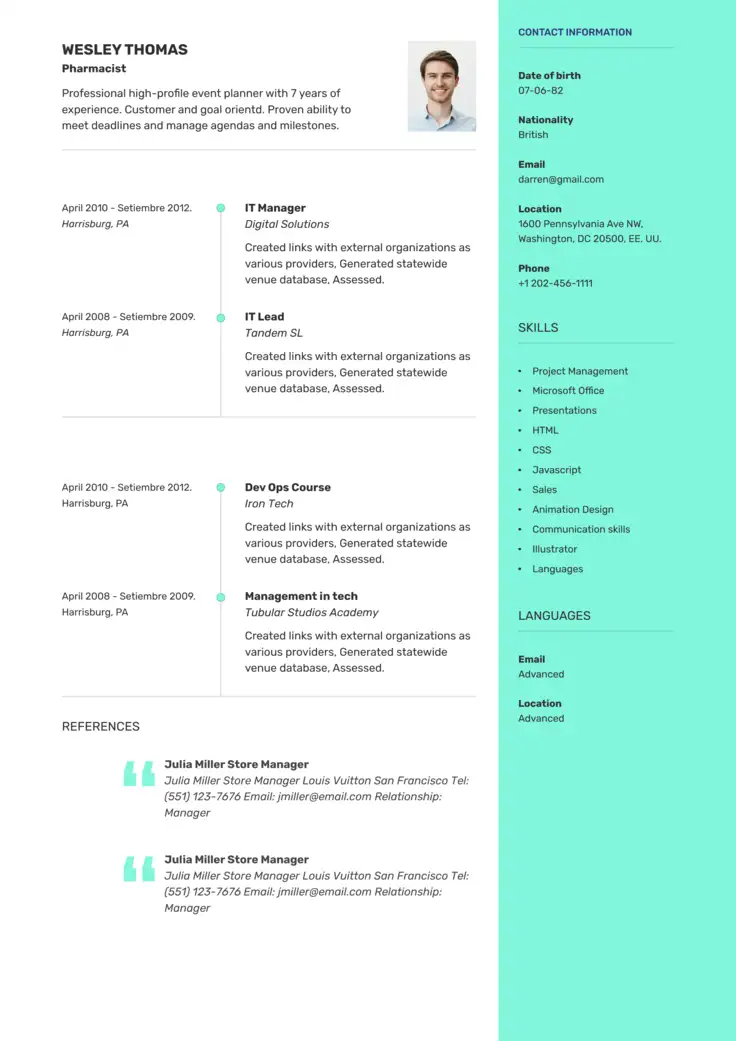
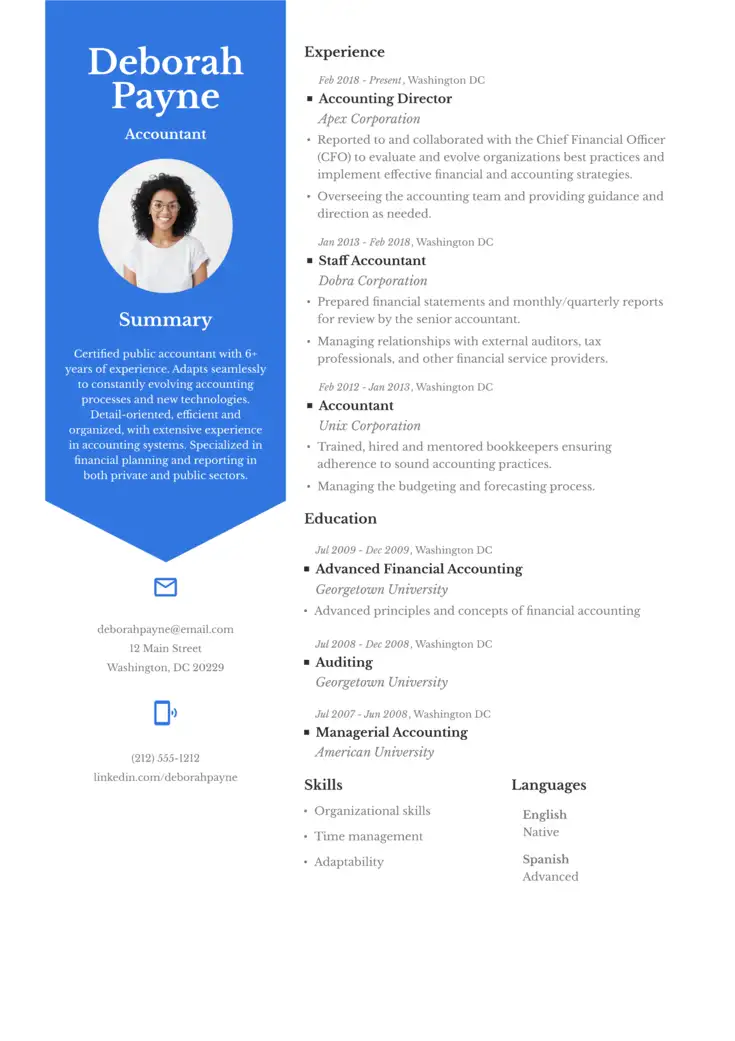
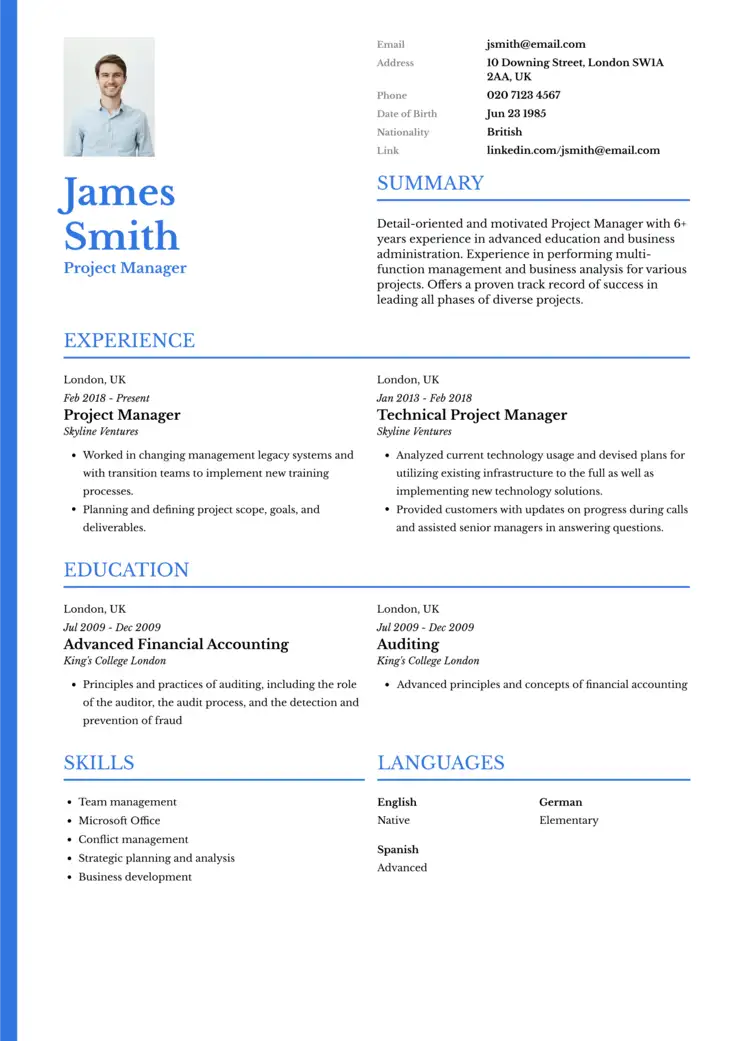
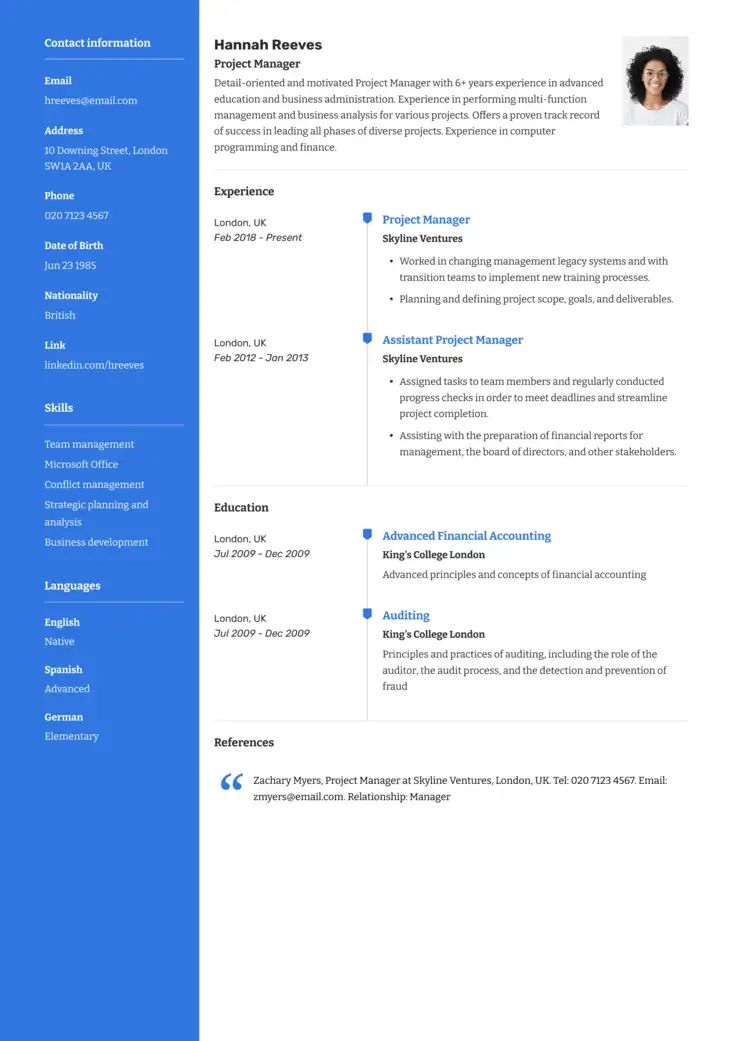
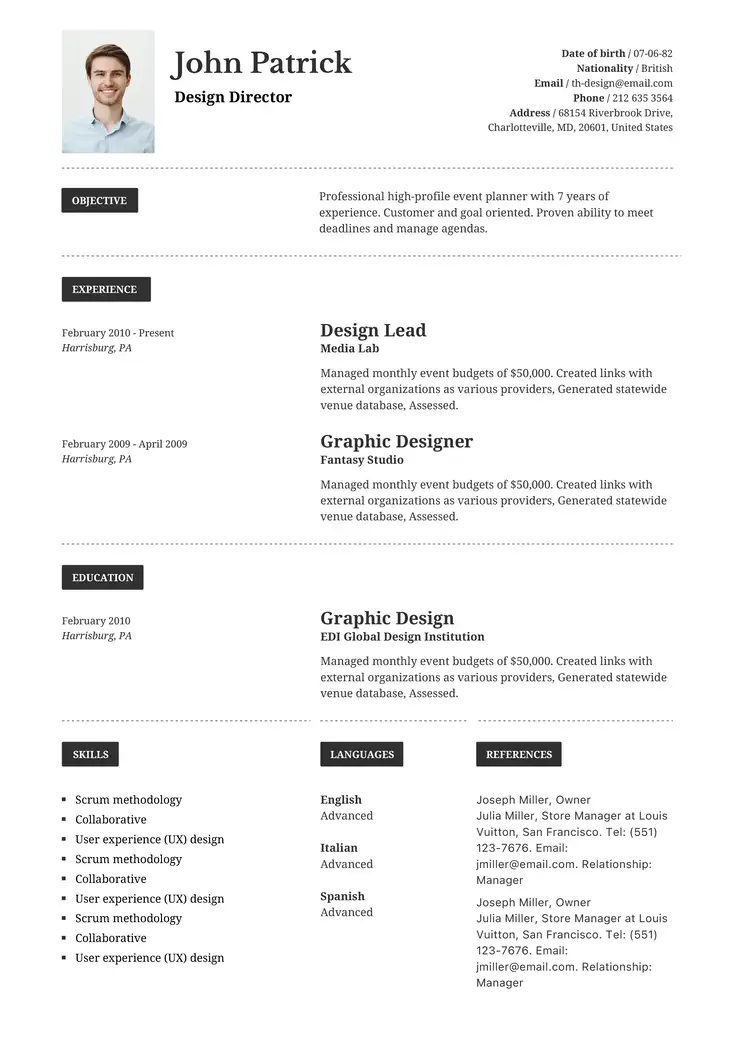
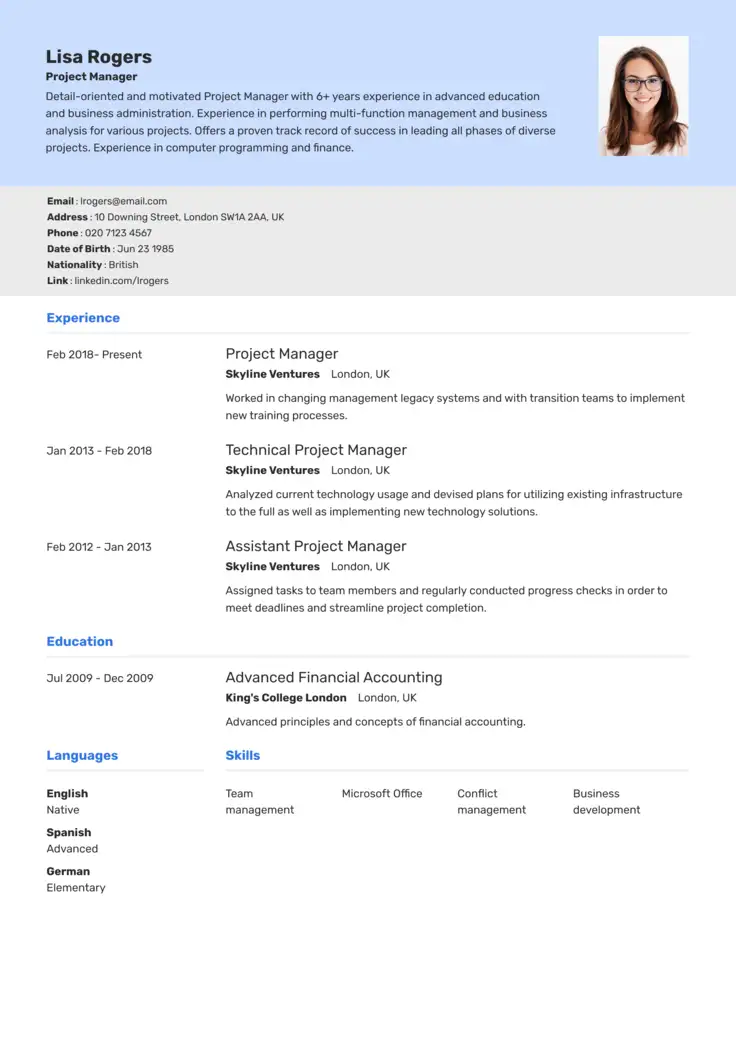
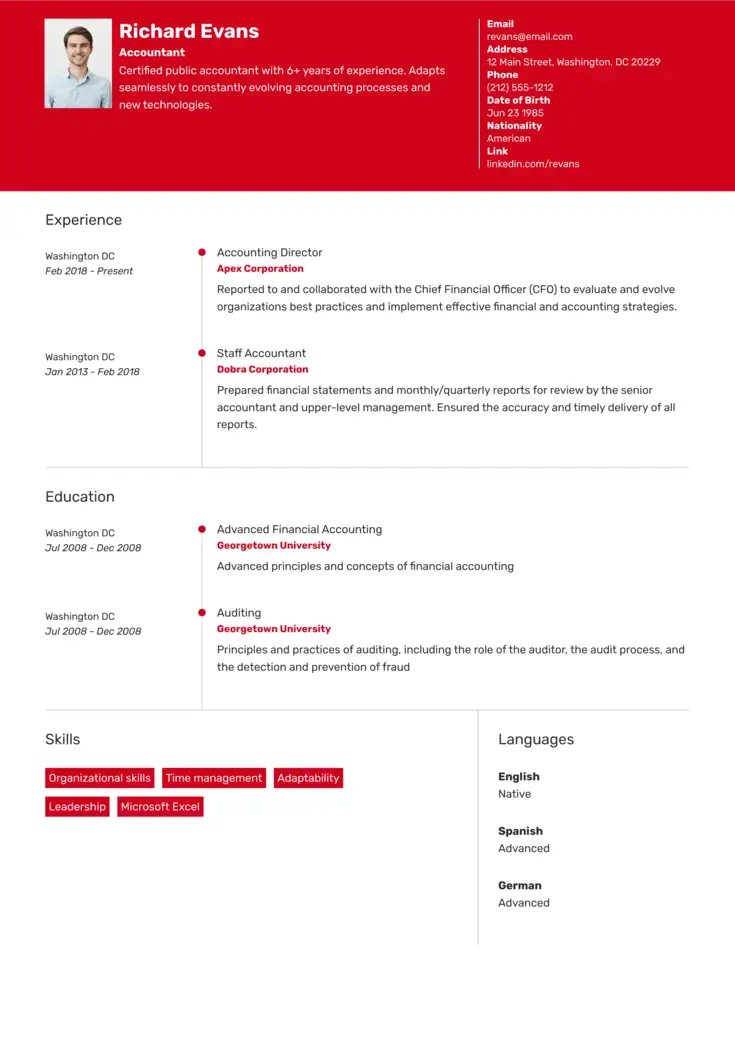
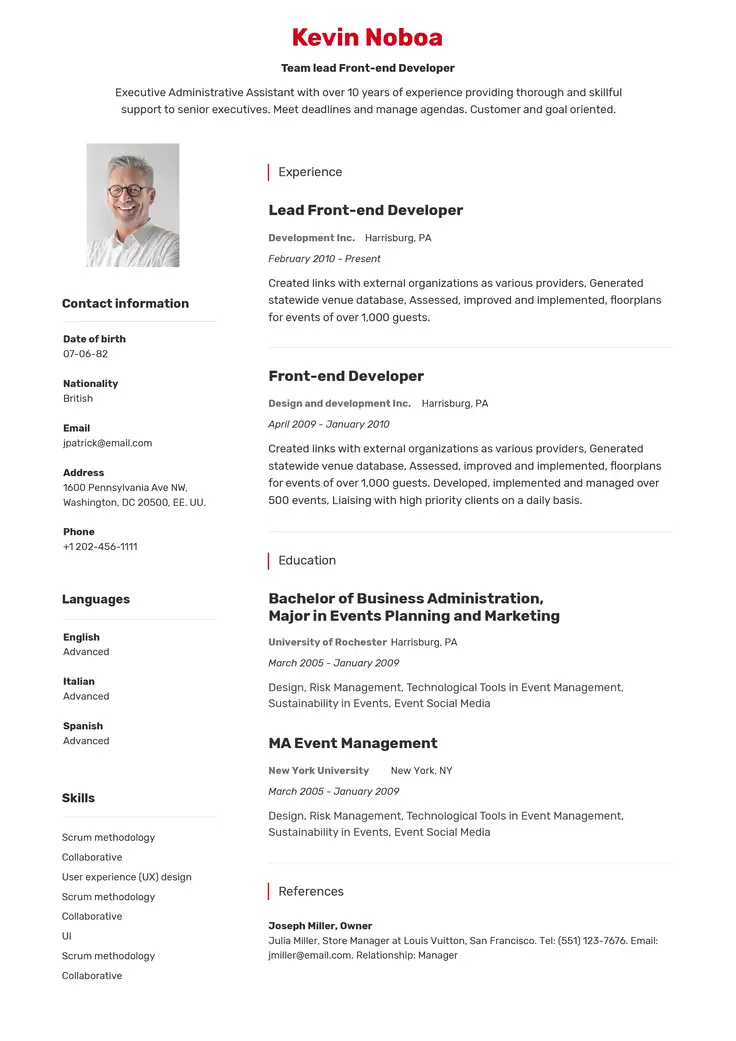
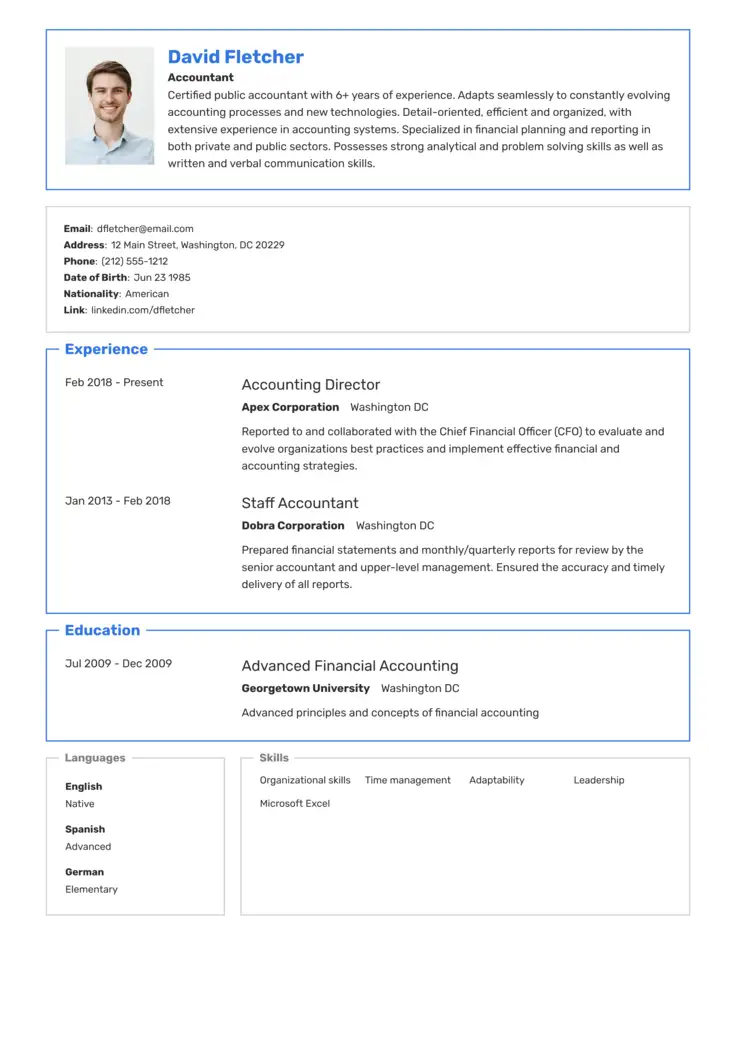
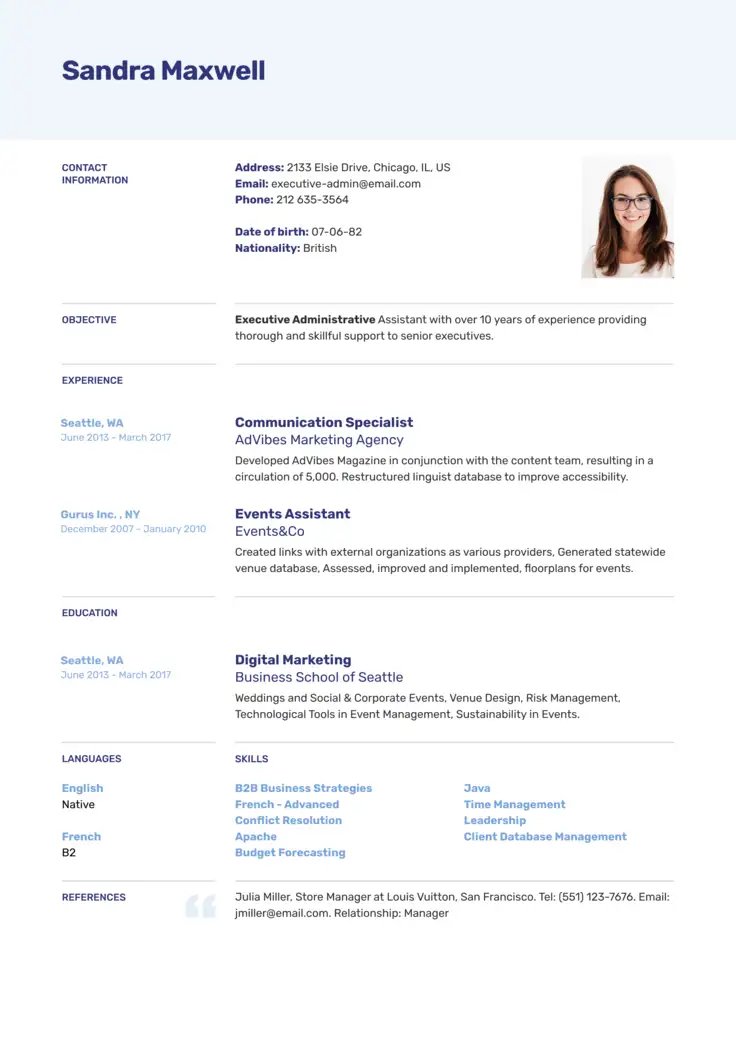
Follow these key strategies to effectively present your resume:
1. Match technical skills to the job description
The first thing to do is to carefully read through each job description and to identify the necessary technical skills. Use the keywords in the job posting to help you.
It is important to know exactly which skills the employer is looking for so you know what to focus on when tailoring your resume. The next step is to write a list of your strengths and match them to the needs of the job.
2. Work the technical skills into your resume
There are multiple sections of your resume where you can emphasize technical skills. You should try to work the different technical skills you’ve used into your:
- Skills section
- Experience section
- Education section
- Resume summary
You can also list any education and certifications. Check out the following examples of how to include them below:
Resume summary
Detail-oriented IT professional with 4+ years of experience supporting enterprise systems and improving operational efficiency through automation and data-driven solutions. Skilled in Python, SQL, and cloud platforms, with hands-on experience building dashboards, streamlining workflows, and troubleshooting complex technical issues. Adept at translating business needs into scalable technical solutions while maintaining system reliability and performance in fast-paced environments.
Professional experience section
Software Developer | XYZ Tech Solutions | June 2021 – Present
- Developed a Python script that automated client data entry, reducing processing time by 40%.
- Led a web development project using React and JavaScript, launching a responsive website that increased user engagement by 30%.
Data Analyst | ABC Corporation | January 2019 – May 2021
- Built interactive dashboards in Tableau, improving report generation time by 25%.
- Used Excel to analyze and interpret sales data, identifying trends that led to a 15% increase in quarterly sales.
Education section
Bachelor of Science in Computer Science
XYZ University | Graduated May 2020
- Completed a Data Analysis course using R and Tableau, producing an interactive dashboard that reduced reporting time by 20%.
Certifications
- CompTIA A+ Certification
- AWS Certified Solutions Architect
Skills section
Skills
Mechanical design | Product development | SolidWorks | AutoCAD | Structural analysis | Problem-solving | Project planning | Technical documentation | Materials selection and testing | Cross-functional team collaboration | Quality control and compliance | Process optimization
3. Be concise and don’t exaggerate
The challenge when writing a resume is to include as many selling points as possible in as little space as possible.
Whether you produce a one-page resume or a two-page document to do this, it’s essential to include your technical skills and avoid wordy descriptions to help employers quickly find the information they’re looking for.
Technical Skills for Different Industries: Examples by Field
The right technical skills aren’t the same for every field, or even different positions within the same field. As you create your resume, you should focus on the tools and systems most relevant to your target industry.
| Industry | Examples of Technical Skills |
|---|---|
| IT / Software | Python, Java, SQL, Git, AWS, REST APIs, Docker, JavaScript, CI/CD pipelines, Agile tools |
| Data / Analytics | Excel, SQL, Tableau, Power BI, Python, R, data modeling, statistical analysis, data visualization, Google Analytics |
| Marketing / Digital Marketing | Google Analytics, SEO, SEM, HubSpot, Meta Ads Manager, email automation, CRM platforms, A/B testing, content management systems |
| Design / UX/UI | Google Analytics, SEO, SEM, HubSpot, Meta Ads Manager, email automation, CRM platforms, A/B testing, and content management systems |
| Administrative / Operations | Microsoft Office Suite, Google Workspace, Salesforce, CRM systems, ERP tools, data entry systems, scheduling software, project management tools |
Want instant suggestions like these, tailored to your field? Try ResumeCoach’s AI skills generator for a list of skills to add to your resume.
Technical Skills by Job Title
Different roles require different strengths. Think about the tools, systems, and platforms that are most valued in your industry, and include them in your skills list or bullet point descriptions. Consider the following examples.
Software developer
Software developers should emphasize programming languages, frameworks, and tools used to build and maintain applications. Employers look for clean code, version control experience, and familiarity with modern development environments.
- Programming Languages: Java, Python, JavaScript
- Frameworks: React, Angular, Node.js
- Database Management: MySQL, MongoDB
- Tools: Git, Docker, CI/CD pipelines
Example
Developed and maintained web applications using JavaScript and React, improving load speed by 30% and optimizing database performance with MySQL.
Data analyst
Data analysts should highlight tools used for interpreting, visualizing, and communicating insights from large datasets. Strong SQL and visualization skills are especially important.
- Data Analysis: SQL, Excel, Python (Pandas)
- Data Visualization: Tableau, Power BI
- Statistical Analysis:Regression analysis, A/B testing
- Reporting tools: Google Analytics, Looker
Example
Created interactive Tableau dashboards using SQL-extracted data, improving reporting efficiency and reducing manual analysis time by 40%.
Web designer
Web designers need a balance of design tools and front-end development skills to create responsive, user-friendly websites. UX principles are highly valued.
- Front-End Development: HTML, CSS, JavaScript
- Responsive Design: Bootstrap, Flexbox, Figma
- Graphic Design: Adobe Photoshop, Illustrator
- UX/UI Principles: Wireframing, Usability Testing
Example
Designed responsive websites in Figma and built prototypes using HTML/CSS, increasing user engagement by 25% through improved navigation flow.
Cybersecurity analyst
Cybersecurity professionals should focus on systems, monitoring tools, and threat detection technologies that protect networks and data.
- Security Frameworks: NIST, ISO 27001
- Vulnerability Tools: Nessus, Metasploit
- Network Security: IDS/IPS monitoring
- Security tools; SIEM systems, Splunk
Example
Implemented SIEM systems, enhancing real-time threat detection and incident response time by 25%.
UX/UI Designer
UX/UI designers should emphasize tools for prototyping, user research, and interface design, along with usability-focused methodologies.
- UI Design Tools: Adobe XD, Sketch
- Prototyping: InVision, Figma, Axure
- User Research: Interviews, Usability Testing
- Interaction Design: Information Architecture
Example
Developed interactive prototypes in Figma and conducted usability testing, improving user satisfaction scores by 22% after redesign implementation.
Accountant
Accountants should emphasize financial systems, reporting tools, and accuracy-focused software used for budgeting, audits, and compliance. Employers value strong Excel skills and familiarity with accounting platforms.
- Accounting software: QuickBooks, SAP, Oracle NetSuite
- Financial reporting: GAAP standards, balance sheets, forecasting
- Tools: Advanced Excel (pivot tables, VLOOKUP)
- Compliance: Tax preparation, audit support
Example
Managed monthly financial reporting using QuickBooks and Excel, improving reporting accuracy and reducing reconciliation errors by 18%.
Digital Marketer
Digital marketers should highlight tools used for campaign management, analytics, and audience targeting. Performance tracking and platform expertise are key.
- Analytics: Google Analytics, Data Studio
- Advertising: Meta Ads Manager, Google Ads
- CRM & automation: HubSpot, Mailchimp
- SEO/SEM tools: Ahrefs, SEMrush
Example
Launched targeted Meta ad campaigns and optimized SEO strategy, increasing website traffic by 45% and lead conversions by 20%.
Project Manager
Project managers should focus on planning tools, workflow systems, and methodologies that support delivery, budgeting, and team coordination.
- Methodologies: Agile, Scrum, Waterfall
- Tools: Jira, Asana, Trello, Microsoft Project
- Budgeting: Cost tracking and resource allocation
- Reporting: Stakeholder updates and KPIs
Example
Led cross-functional Agile project teams using Jira, delivering projects 15% ahead of schedule and 10% under budget.
Graphic Designer
Graphic designers should showcase creative software, branding tools, and digital design platforms used for visual content creation.
- Design tools: Adobe Photoshop, Illustrator, InDesign
- Digital platforms: Canva, Figma
- Branding: Typography, color theory, layout design
- Production: Print and digital asset creation
Example
Designed branding materials using Adobe Illustrator, increasing client engagement by 30% through improved visual identity consistency.
Administrative Assistant
Administrative assistants should highlight organizational tools, office software, and systems that support daily operations and communication.
- Office software: Microsoft Office Suite, Google Workspace
- Scheduling: Outlook Calendar, Zoom, Teams
- CRM systems: Salesforce, HubSpot basics
- Data entry: Record keeping and document management
Example
Streamlined scheduling and document tracking using Microsoft Excel and Outlook, improving office efficiency by 25%.
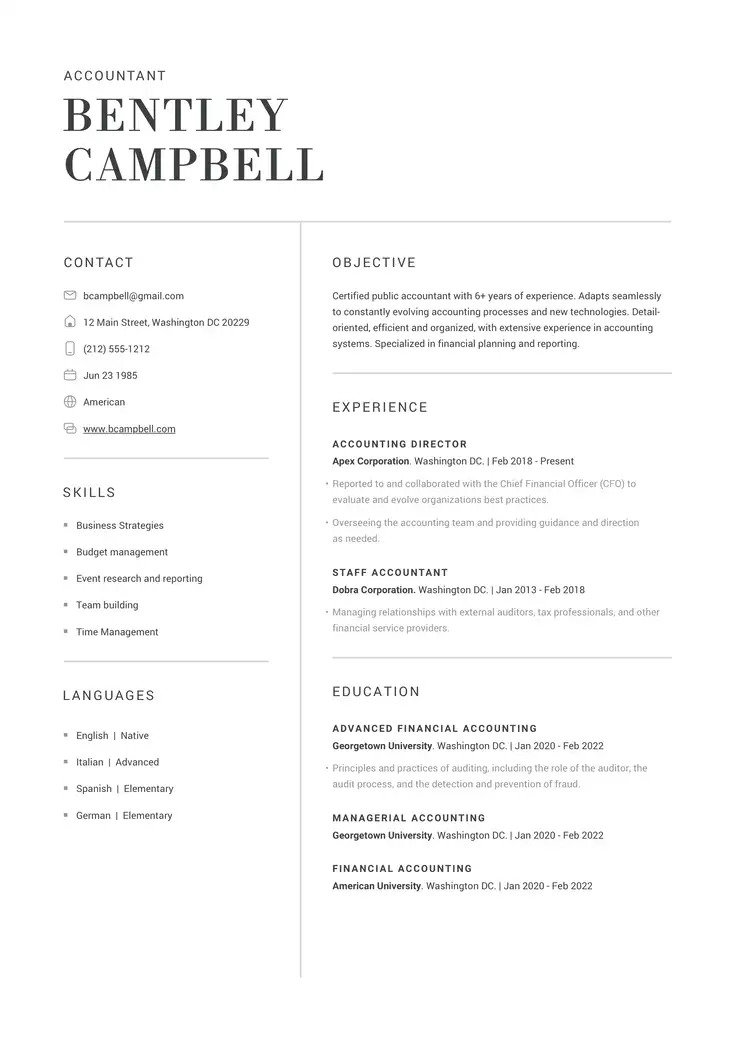
Explore our collection of resume templates, suitable for every role and every level of experience. You can use the AI tools built into our platform to fill out resume sections or improve your resume in seconds.
How To Keep Your Technical Skills Up-To-Date
As technology evolves, staying on top of your technical skills proficiency is important. This is especially crucial in fields like IT, data science, and engineering, where new tools and techniques emerge rapidly.
To stay competitive, invest in courses, certifications, and training that enhance your current abilities. Online platforms offer courses in a wide range of technical skills to help you stay at the forefront of your industry.
Key takeaways
- Tailor your resume to highlight the technical skills that are most relevant to the job you’re applying for.
- Integrate technical skills into the job descriptions in your professional experience section.
- Don’t exaggerate, be honest about your abilities and demonstrate them with real examples.
- Continue improving your technical skills to remain competitive in the job market.
By following our tips, you can present yourself as a candidate with the right technical skills, giving you a significant advantage in the job application process.
Struggling with Resume Writing?
Ease the process with our templates
Frequently Asked Questions
According to the Society for Human Resource Management (SHRM), AI skills, including machine learning, are topping the charts in 2026. Other highly sought-after skills include data analysis, cybersecurity, and cloud computing.
Python, SQL, and AWS are among the top technical skills multiple industries are looking for. AI tools and CRM systems like Salesforce are also popular. Some industries are on the lookout for specialized tools like CAD software and video editing.
If you don’t have any work experience, any technical skills you possess are the best ones to add to your resume. You can often quickly obtain new skills like those listed above by taking online certification courses.
According to the National University, 77 percent of businesses are either using AI or considering it. That means that AI and machine learning skills are currently in high demand and will likely remain so for years to come.
Additionally, 94 percent of businesses worldwide use some form of cloud computing, and an equal number are susceptible to cybersecurity attacks. Generalized IT skills are also necessary to keep all those networks going.
When you write your cover letter, don’t simply repeat your resume. Add context: how do you obtain the skill, what have you done with it, and what would you like to do?
You can use our AI cover letter generator to help you quickly create a custom cover letter to match your resume.
Related Posts