

When you are about to send in a resume, you’re probably thinking, “The more professional experience I add, the more likely it is I’ll land an interview.” But often, less is more.
The truth is that you don’t have to include every job you’ve ever had. The key lies in including your most relevant work history and understanding when to leave off jobs that have little to do with the position you want.
Below, we’ll talk about what to include, what not to include, and what to do if you were fired.
Use our AI resume builder tool to instantly receive personalized suggestions to help you remove unhelpful information and add only relevant details that will impress any hiring manager. Use the tips below to understand what jobs you should leave out and make your resume shine!
Can I Leave a Job off My Resume?
The short answer is yes, you can leave jobs off your resume. Resume real estate is limited, and you get to decide what’s most important for your hiring manager to see.
You might leave off a job because you were only there for a short time or to make room for a more relevant experience.
But if you decide to leave a job off your resume, there are potential drawbacks to consider, such as:
- Employment gaps: Employers may wonder why you aren’t reporting employment for a number of years.
- Background checks: Comprehensive checks can include your entire work history, so be ready to explain why you omitted it
- Formal applications: Sometimes, applications or HR personnel will ask you to list all your employment within a given period.
Jobs You Might Want to Leave Off Your Resume
There are times when excluding a job from your resume can improve your chances of getting hired. At other times, you should exercise caution. Consider the following scenarios.
| Job | What to do |
|---|---|
| Short-term jobs that don’t create a career gap | ✅ Safe to remove |
| Temporary jobs just for income (not related to your career) | ✅ Safe to remove |
| Jobs you held more than 10 years ago | ✅ Safe to remove |
| Jobs you’ve held in the past 10 years | ⚠️ Be careful |
| Your past 3 jobs | ⚠️ Be careful |
| Companies with a bad reputation | ⚠️ Be careful |
| Jobs you were fired from | ⚠️ Be careful |
| Relevant jobs | ❌ Avoid removing |
| Jobs that show career progression | ❌ Avoid removing |
| Jobs that would create a career gap | ❌ Avoid removing |
1. Short-term positions
If you had a job for a few months or less, the experience isn’t relevant to the position you are applying for, and you’re not short of work experience overall, it probably isn’t necessary to include the job.
Including multiple short-term jobs may make you appear as a “job hopper”, which can be a red flag for potential employers.
However, if you are writing a student resume or an entry-level resume and have little experience, it could be a good idea to include these positions.
2. Jobs from over 10 years ago
Employers are generally only interested in the last 10 years of your work history.
By limiting your work history, you shift the focus away from your age and toward your most valuable and current skills and experiences
If your recent positions contain consecutive, relevant positions, employers will not be concerned about jobs in the distant past. They add no weight to your resume.
3. Companies with a bad reputation
Rightly or wrongly, employers may form an opinion of you through association. However, the role may be central to your resume or include a significant achievement that you don’t want to leave off.
Just be prepared to explain how you had nothing to do with your former company’s bad reputation during the interview, and you can also use AI to help you prepare.
Highlight your specific achievements and contributions rather than the company itself. Emphasize how you progressed through the company, showcasing promotions, awards, and increased responsibilities.
4. Irrelevant experience
Not every job contributes skills to what you can do now. You may have held a job on the side, early in your career, or between other jobs that had nothing to do with your career path.
If that’s the case, you can leave this irrelevant job so long as it doesn’t create a gap. This is especially so if the experience is old or was held concurrently as a second job.
What if you don’t have much experience? You can leverage transferable skills, even from otherwise irrelevant jobs.
Focus on skills that are applicable across industries. For example, communication, problem-solving, and leadership skills are valuable in many roles, as are skills in generative AI, project planning, administration, or teamwork activities.
5. Left the job on bad terms
You may have left a job on bad terms with your boss or others, even through no fault of your own. Sometimes, this can result in negative responses if your new employer contacts them as a reference. If you worry that this may happen, you might decide to leave it off.
But as stated above, if omitting the job leaves a gap or reduces your relevant experience, think twice.
Should You Include a Job on Your Resume if You Were Fired?
If you were fired from a previous role, it may be better to leave the job off your resume altogether, especially if it was a long time ago or just for a short stint.
However, you may not even be at fault for being let go from your position. For example, you may have been let go due to budget problems or pressure from investors.
Here are some things you can do if you want to list a job you were fired from:
- Do not mention that you were fired
- Avoid negative language
- Use neutral language, such as role termination
- Focus on your achievements
- Keep it brief and professional
- Demonstrate growth and learning
Studies show that 38% of employers favor experienced employees over recent graduates. So, even if you were let go for some reason, you may not want to miss the chance to add a past role that can set you apart.
Jobs You Should Include on Your Resume
If you’ve asked yourself or someone you know, “Should you put every job on your resume?” as you now know, there are some past positions that you can leave out.
While some positions you can leave off your experience section, other past roles are absolutely essential.
💡Tip
You can use our AI-powered resume builder and expert-approved templates to make sure your resume emphasizes the right roles. Building your resume takes only minutes!
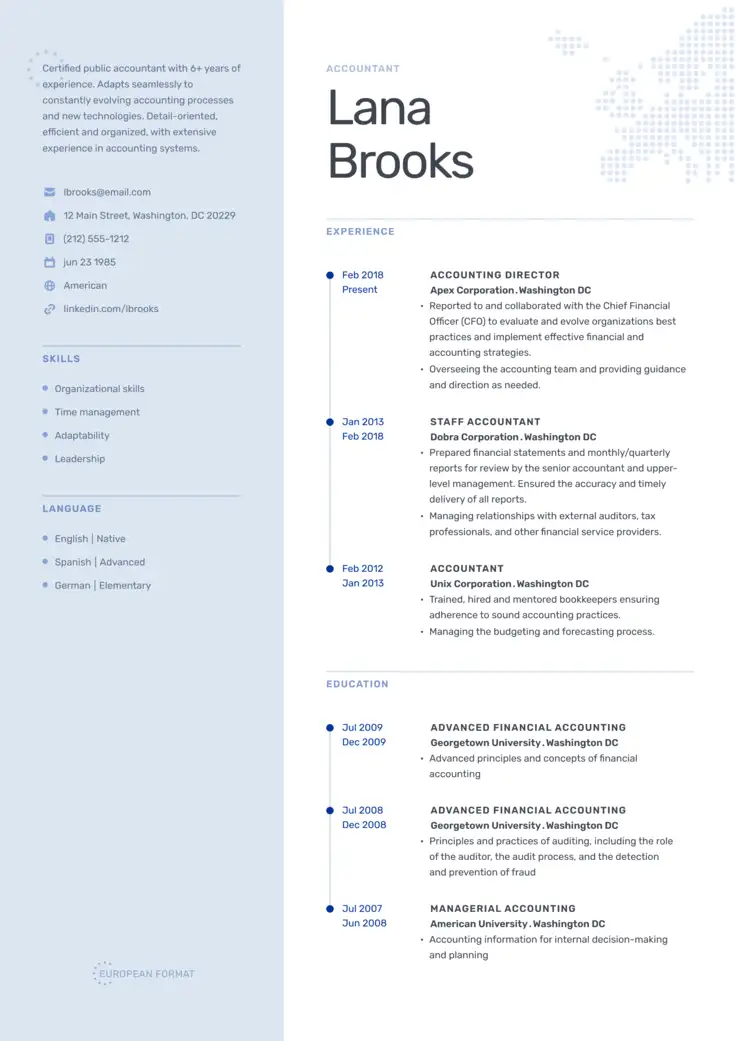
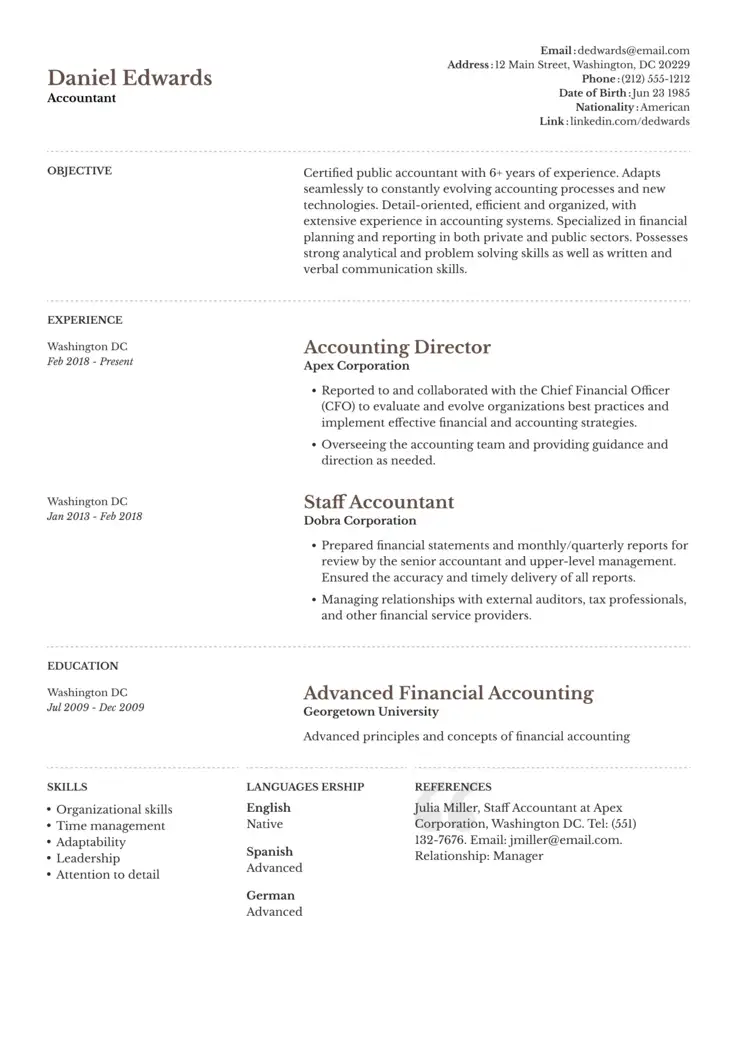
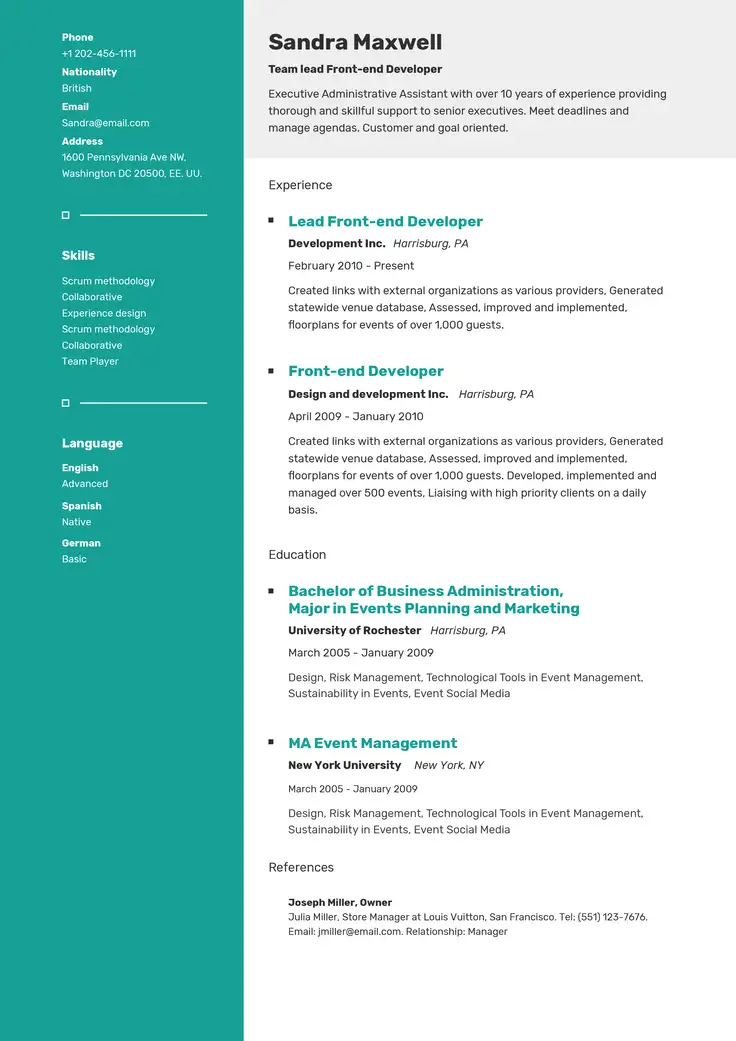
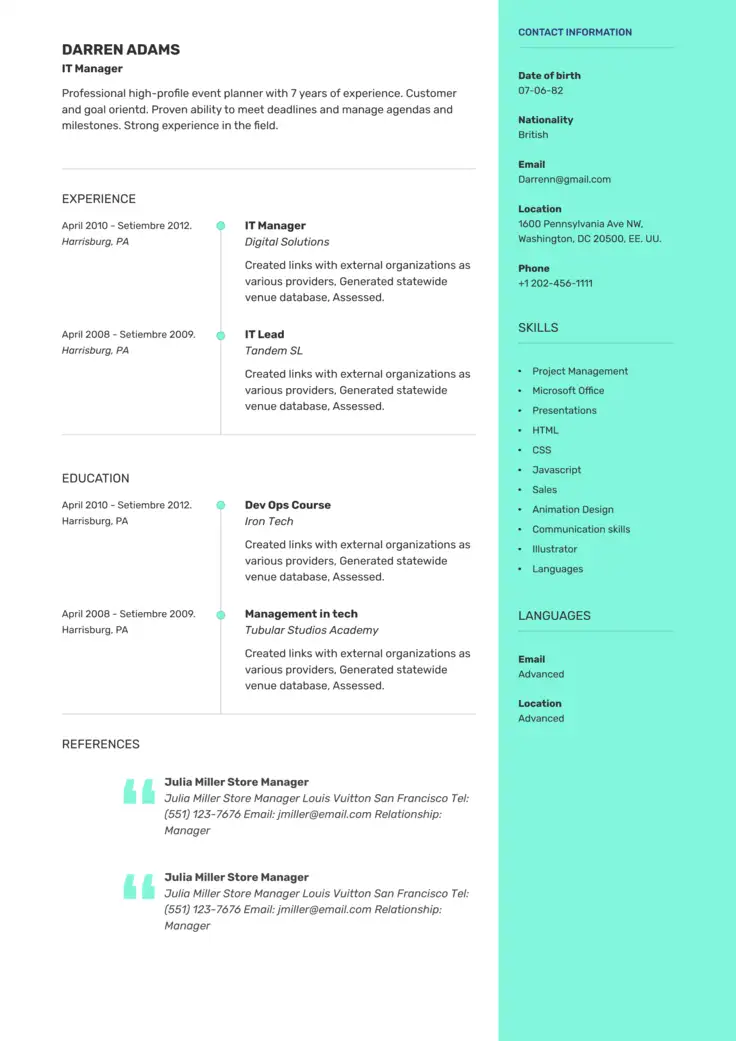
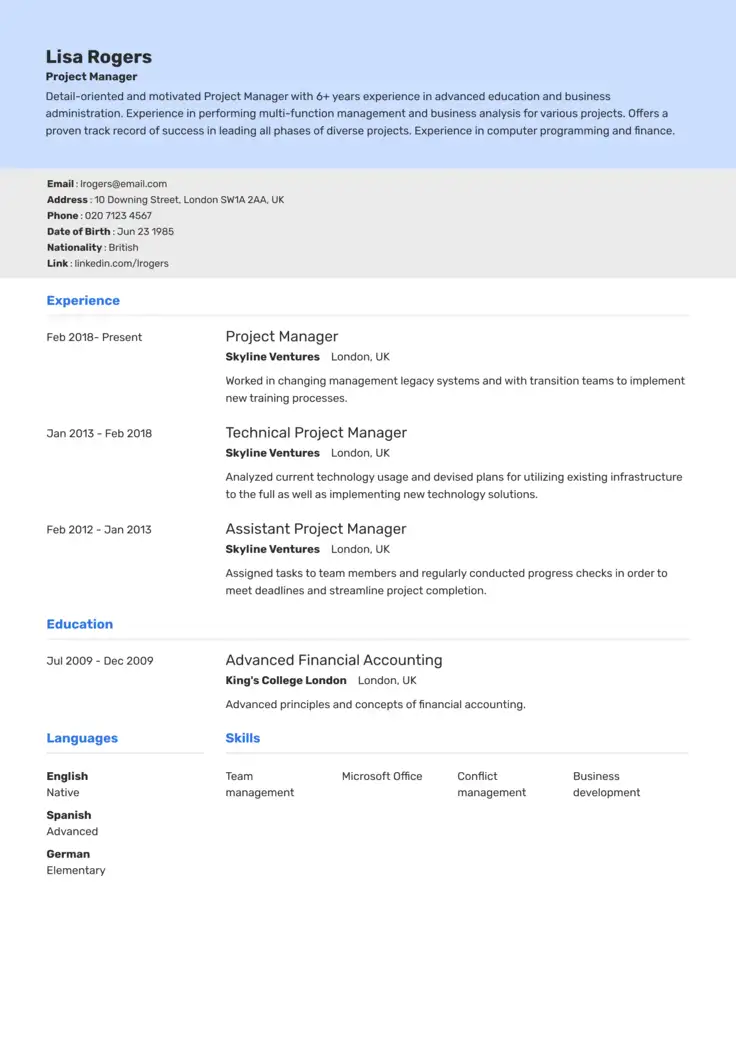
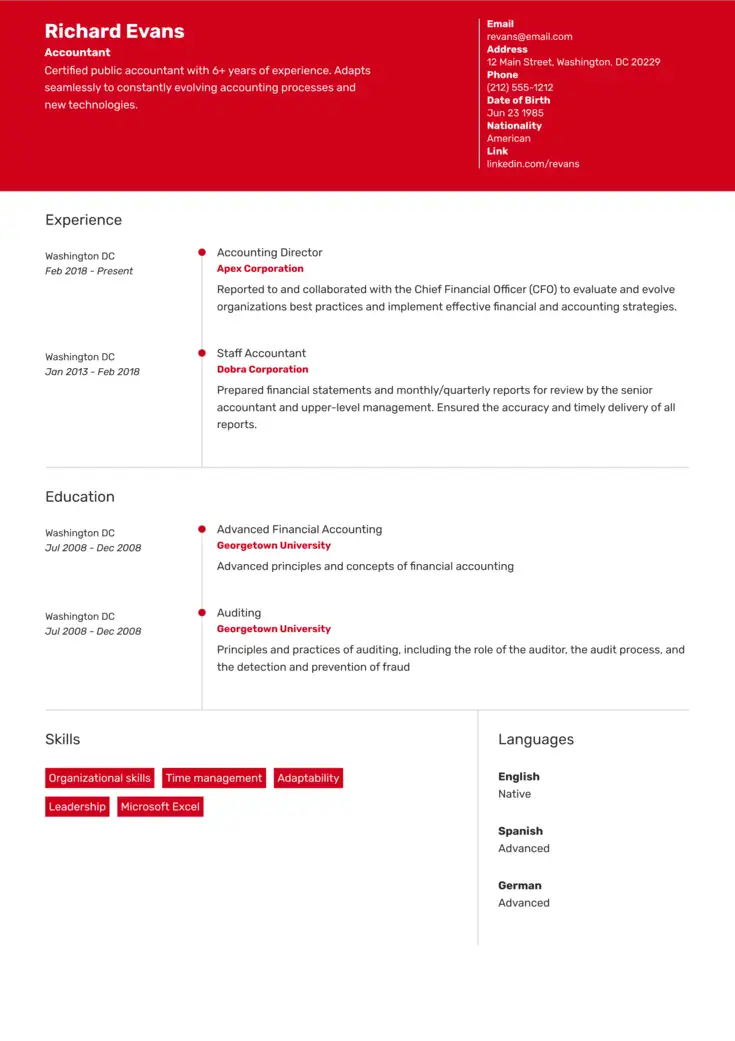
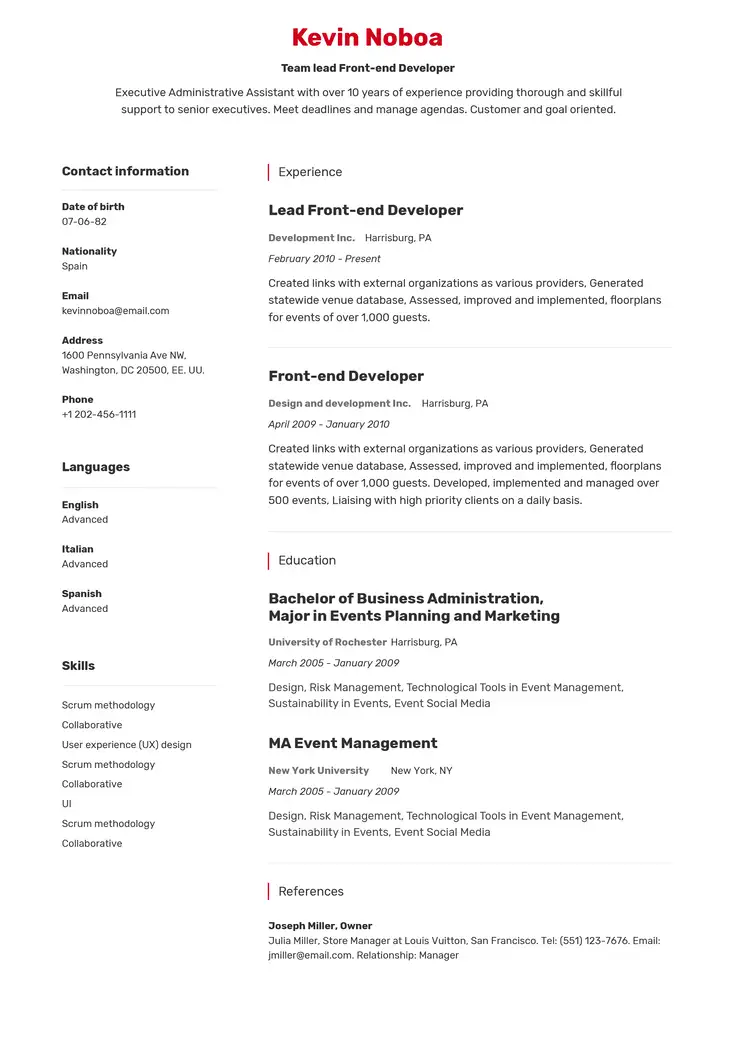
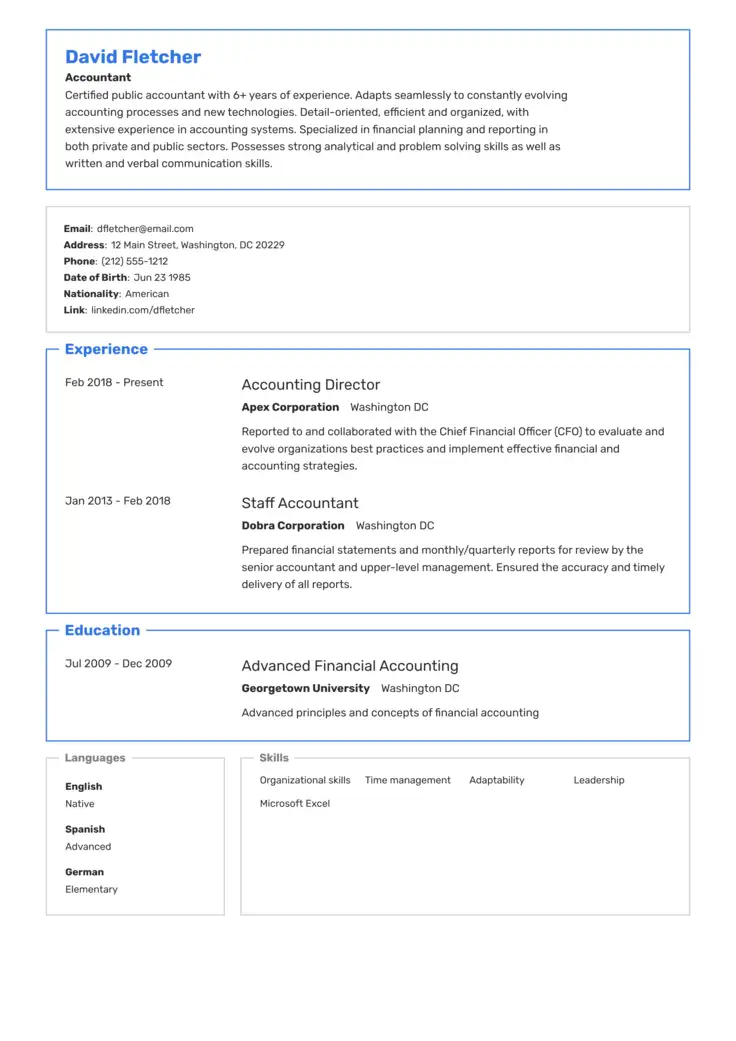
1. Long-term positions
Leaving out a job you held for 6 months or less shouldn’t be any trouble at all. However, not including a job that you had for over a year will leave the employer scratching their head, as it will leave a huge employment gap.
-
💡 Our expert’s advice
Long-term employment can demonstrate loyalty, dedication, and career growth. Include jobs where you’ve been promoted or taken on increased responsibilities over time.
If the long-term job is directly relevant to the position you’re applying for, it’s crucial to include it, regardless of how long ago it was.
If your long-term position was with a well-known or respected company in your industry, it can add credibility to your resume.
2. Relevant roles
Relevant roles are those jobs that are directly related to your career path. They may demonstrate career progression or abilities you’ll need for your new job.
Relevant experience is the backbone of your resume. Don’t sell yourself short in terms of skills and years of experience by leaving it out.
-
💡 Our expert’s advice
Even if a job is not directly related, emphasize specific accomplishments that demonstrate your capabilities. If you’re a recent graduate or have limited work experience, highlight relevant coursework, research papers, or case studies.
3. Positions that built valuable skills
Today, many employers value skills over education. Keep any positions in which you demonstrated key skills, especially if they produced quantifiable results.
As mentioned previously, skill-building roles don’t have to be in the same industry. You may have cultivated transferable skills like interpersonal qualities or learned a tool or framework even in another field.
4. Jobs that show career growth
Often, your job progression shows how you’ve “climbed the ladder” in your field. For example, you may have first taken on an entry-level role, then been promoted to a junior or assistant role before arriving at your current position.
This is something valuable that recruiters look for, especially when hiring for managerial or senior roles. It proves you’re dedicated to the field and gives you perspective on those you’ll oversee.
5. Roles requiring security clearance
If you’re completing a job application form and are asked to list every position, it is necessary to be meticulous and list every position you’ve had.
Security clearance processes involve extensive background checks. Omitting jobs can lead to discrepancies that may raise red flags during these checks.
Providing a complete work history shows honesty and integrity, which are essential traits for positions requiring security clearance.
How To Address Gaps in Your Work History
Omitting jobs from your resume can create employment gaps, periods of a year or more in which it appears you were unemployed.
Some career gaps are okay; companies are becoming increasingly comfortable with family leave gaps, health gaps, and even sabbaticals (taking a career gap to complete a personal project or travel, for example). The main point is that you should be able to provide a clear and reasonable explanation for the gap.
Of course, you may be able to make a gap disappear by changing the formatting. Try using just years for work dates instead of months and years. There doesn’t seem to be a gap between 2023 and 2023, even if you leave out an 18-month role.
When you write your resume, you’re in control. With these considerations in mind, you can make an informed decision about which jobs to keep and which to leave off your resume.
FAQs
No, you do not need to include every job on your resume. Focus on listing roles that are relevant to the position you’re applying for, especially those that showcase the skills and experiences most aligned with the job description.
Including every job can clutter your resume and distract from your key qualifications. If you have gaps or unrelated jobs, consider summarizing them briefly or focusing on transferable skills. Always aim for a clear, concise resume that highlights your most relevant accomplishments.
You do not need to remove unrelated jobs entirely from your resume, but it’s important to be strategic. If the experience helped you develop transferable skills like communication, leadership, or problem-solving, consider including it but keep the details brief.
You can also group unrelated roles under an “Additional Experience” section to avoid gaps in your work history while keeping the focus on more relevant positions. Ultimately, prioritize space for roles that align closely with the job you’re applying for.
Including a 2-month job on your resume depends on the situation. If the role is relevant to the position you’re applying for, and you gained valuable skills or experience, it can be worth mentioning.
However, if it was a short-term role unrelated to your career goals or it ended under unfavorable circumstances, you might consider leaving it off. If you do include it, be prepared to explain the short tenure during interviews, focusing on what you learned or accomplished in that time.
That depends on several factors. If you quit on good terms, you should probably leave the job on your resume, especially if it’s relevant to your career. You may even get a good referral from your old boss.
If you were only there for a few months or took it on as a temporary second job, it’s safe to leave it off. And if you left on poor terms and expect negativity if your new employer contacts them, you might choose to leave it off.
No, it is not illegal to omit a job. But if you choose to do so, there can be consequences. Always be honest and list all jobs if specifically asked to do so or when applying for positions that require a background check or security clearance.
Struggling with Resume Writing?
Ease the process with our templates
Related Posts