
Writing a Software Engineer Cover Letter: Tips and Examples
Find out how to make the best first impression with a Software Engineer cover letter. Use our professional example and expert tips below to get a good idea of what should go into your opening salvo with an employer.

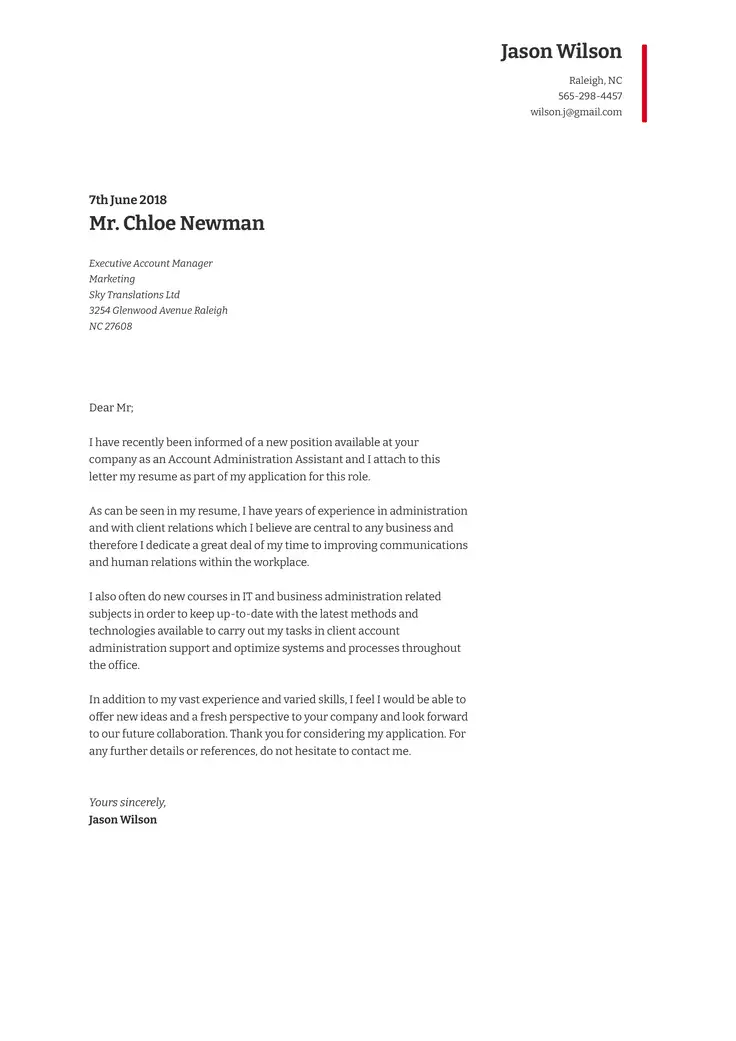
As a software engineer, you have plenty of technical skills, but how can you translate them into human impact? That’s a task at which your resume and cover letter can shine—telling a concise story of problems solved, systems improved, and promises delivered.
The following guide will help you engineer just such a cover letter. You will learn how to structure, sharpen, and personalize your message. You’ll also discover how you can harness the power of artificial intelligence with our AI cover letter generator tool.
Software Engineer Cover Letter Examples
No matter your level of experience (senior, entry-level, or none at all), you can highlight technical and transferable skills that make you an ideal candidate. Use the following examples as customizable templates for your software engineer cover letter.
Software engineer cover letter with no experience
Dear Ms. Johnson,
I am currently a Computer Science student at the University of Texas at Austin, and I was excited to see the Software Engineering Intern opportunity at Stripe. As I begin my career in software engineering, I am eager to apply my technical skills to real-world systems that impact millions of users.
Through my coursework and personal projects, I have developed a solid foundation in Python, Java, and JavaScript. I have built projects such as a budgeting web application and a RESTful API for managing student data, focusing on writing clean, efficient code and improving user experience. These experiences have strengthened my problem-solving skills and my ability to quickly learn new technologies.
I am particularly drawn to Stripe’s focus on building reliable, scalable infrastructure for online payments. The opportunity to learn from experienced engineers while contributing to products that power global businesses is especially exciting to me.
I bring curiosity, adaptability, and a strong work ethic. I am comfortable tackling new challenges, collaborating with others, and continuously improving my skills. I am confident I can grow quickly while contributing meaningfully to Stripe’s engineering team.
Thank you for your time and consideration. I would welcome the opportunity to discuss how I can contribute to your team.
Sincerely,
Alex Carter
Entry-level software engineer cover letter
Dear Mr. Thompson,
I am excited to apply for the Junior Software Engineer position at HubSpot. With hands-on experience through my internship at a mid-sized SaaS startup and a strong foundation in JavaScript, Python, and React, I have developed the ability to build, test, and improve applications in real-world environments.
During my internship at BrightPath Solutions, I contributed to the development of a customer dashboard feature, where I collaborated with a team of engineers and designers to improve data visualization and user experience. I gained experience working with REST APIs, Git, and Agile methodologies, and became comfortable writing clean, maintainable code while meeting project deadlines.
I am particularly drawn to HubSpot because of its focus on building intuitive, customer-centric products and its strong engineering culture. I am eager to continue growing my skills while contributing to meaningful projects that have a real impact on users. The opportunity to work in a collaborative and innovative environment like yours is especially exciting to me.
I bring a proactive mindset, attention to detail, and a strong willingness to learn from experienced engineers. I am confident that my background and motivation would allow me to contribute positively to HubSpot’s engineering team.
Thank you for your time and consideration. I would welcome the opportunity to further discuss how I can contribute to your team.
Sincerely,
Olivia Jones
Senior software engineer cover letter
Dear Ms. Brown,
I am writing to apply for the Senior Software Engineer position at Airbnb. With over 8 years of experience designing and delivering scalable software solutions, I bring a strong track record of building high-impact systems, mentoring engineers, and leading projects from concept through production.
In my current role at DoorDash, I led the development of a real-time order tracking system that improved delivery accuracy by 25% and reduced customer support tickets by 18%. I have extensive experience working with Java, Kotlin, Python, React, and AWS, and I am comfortable making architectural decisions, optimizing system performance, and ensuring high code quality across distributed teams.
Beyond my technical contributions, I take pride in mentoring junior developers, leading code reviews, and improving development workflows through better testing and CI/CD practices. I enjoy collaborating with product managers and designers to align technical solutions with business goals while maintaining a strong focus on user experience.
I am particularly interested in Airbnb because of its commitment to building reliable, globally scalable platforms that create meaningful user experiences. The opportunity to contribute to such a widely used product while working with a talented engineering team is especially exciting to me.
Thank you for your time and consideration. I look forward to the opportunity to discuss how I can contribute to Airbnb’s engineering team.
Sincerely,
Michael Williams
How To Write a Software Engineer Cover Letter Step-by-Step
Your level of experience has a bearing on what you should include when writing your cover letter. Consider the following tips for every level, from intern to full-stack engineer.
| Profile | What to emphasize | Writing tips |
|---|---|---|
| Intern | Coursework, projects, curiosity, teamwork, eagerness to learn, contribute, and grow. | Show enthusiasm. Connect past projects to the role, and demonstrate a willingness to learn quickly. |
| Entry-level / Graduate | Internships, academic projects, transferable skills, problem-solving ability, and readiness to contribute. | Quantify your achievements and tailor them to the company. Highlight relevant tools. |
| Career switcher | Transferable skills, relevant training, projects, adaptability, and clear motivation for transitioning into an engineering role. | Bridge past experience to the new role. Directly address the transition and showcase completed projects. |
| Backend engineer | APIs, databases, scalability, performance optimization, experience building reliable, maintainable server-side systems. | Focus on impact and understanding of backend architecture. Mention technologies and quantify system improvements. |
| Frontend engineer | UI development, responsiveness, accessibility, performance, and experience creating intuitive, user-centered interfaces that work across devices. | Include portfolio links, user impact, frameworks, and attention to design and usability details. |
| Full-stack engineer | End-to-end development skills, frontend and backend integration, and delivering complete, scalable applications. | Balance examples of frontend and backend to highlight versatility and ability to manage full application lifecycles. |
1. Choose the right format
The first step is choosing the right format for your cover letter. It should be professional and concise with a clear, logical structure.
Your cover letter should also be easily scannable. You want your hiring manager to find relevant information quickly, so use simple language and avoid dense blocks of text or long paragraphs.
💡Tip
Use ResumeCoach’s applicant tracking system (ATS)-optimized cover letter templates to achieve a professional layout in seconds.
2. Write a strong introduction
The first sentences of your letter determine whether your hiring manager will keep reading. In the introductory paragraph, clearly state the role you’re seeking, demonstrate your enthusiasm for the company, and highlight your technical abilities.
3. Detail your background in software engineering
In the middle paragraphs of your letter, outline your software engineering experience and core technical skills. This can include the types of systems you’re familiar with, technologies you use regularly, or products you have worked with.
4. Mention relevant projects and achievements early
Mention relevant projects and achievements early in your letter, perhaps in the second paragraph. Including one or two strong examples can capture attention and establish your credibility.
Focus on measurable results whenever possible. This may include statistics on performance improvements, user growth, time or monetary savings, or efficiency gains. When hiring managers understand the impact of your work, they see the value you can bring to their team.
5. Show how your skills match the role’s requirements
It is important to connect your hard or technical skills to the technologies, tools, and responsibilities listed in the job description. Be specific about your experience with languages, frameworks, or systems.
Balance this with relevant soft skills that reflect the company’s values. When you display qualities like communication, collaboration, and adaptability, it shows that you can do the job and fit in well within a team.
6. Explain why you see yourself growing in this team
Show genuine interest in the company’s product, mission, or challenges. Be specific about what excites you—how the company’s goals align with your passions and strengths.
Then, connect the role to your long-term career goals. When you describe how the position will help you develop new skills or deepen your expertise, you imply that you’re in it for the long haul.
7. Include a call to action in the conclusion
Close your letter by expressing interest in discussing the role further. Thank the reader for their time, and invite them to contact you for an interview.
Sign your letter with a salutation like “sincerely” or “best regards” and your name, even if you’re sending it via email. Include your contact information so the company can get in touch with you easily.
Tips for Writing a Strong Cover Letter for a Software Engineer
The strongest software engineer cover letters blend technical ability with clear communication. The following checklist can help you learn how to write a letter that is focused, relevant, and impactful.
- Tailor your letter to each job you apply for by aligning the content with the needs and culture of the company.
- Show your impact by highlighting one or two key projects with measurable results.
- Keep it concise and scannable by using short paragraphs, simple language, and a clear structure.
- Balance your hard and soft skills, demonstrating technical expertise alongside collaboration and communication.
- Demonstrate genuine interest in the company by referring to the specific position you’re applying for and the company’s product, mission, culture, or values.
Common mistakes to avoid
Even the strongest candidates can make simple mistakes. Unfortunately, letting mistakes make it to your final draft can hurt your chances of landing the job. The following are some common examples of things you shouldn’t include in your cover letter:
- Using a generic cover letter for every application.
- Repeating information from your resume instead of highlighting new details about valuable, impactful projects.
- Using too much technical jargon or acronyms, which may be relevant to your job but that the hiring manager may not understand.
- Focusing too much on what you want instead of what you can bring to the table.
- Including irrelevant or overly personal information, such as unrelated hobbies or even potentially controversial opinions.
Software Engineer vs. Software Developer Cover Letters
If you are a software developer rather than a software engineer, you can still apply many of the principles in this guide. However, you should note several distinctions so you can tailor your message most effectively.
While both software engineers and developers code and build software, your cover letter for a software developer will focus on functionality and feature implementation, whereas engineers emphasize system design, architecture, and scalability.
| Feature | Software Engineer | Software Developer |
|---|---|---|
| Opening hook | Emphasize problem-solving and system design | Emphasize functional, user-facing application building |
| Primary focus | Architecture, scalability, long-term technical solutions | Feature development, coding, and rapid software delivery |
| Technical skills | Algorithms, system design, databases, APIs | Programming languages, frameworks, front-end and back-end tools |
| Project details | Large-scale systems with many components | Specific features, applications, or modules |
| Metrics to highlight | Performance gains, scalability, team impact | User adoption, speed, debugging, and feature delivery |
| Tone and vocabulary | Strategic, analytical, technical, precise | Practical, solution-oriented, code-focused |
| Closing line | Express interest in shaping engineering systems and teams | Emphasize contributions to projects and delivering work-ready software |
Now that you’ve created a strong and tailored software engineering cover letter, you should ensure that your resume is equally convincing.
You can use our AI resume builder tool to quickly update an existing resume or engineer a new one from scratch.
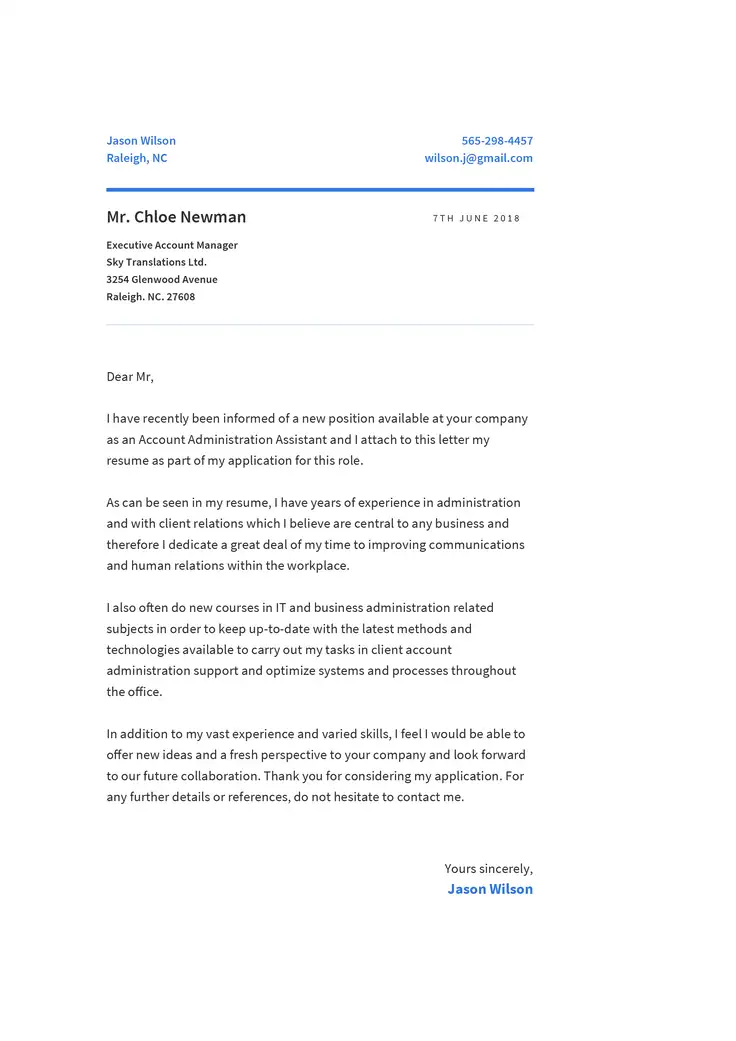
Trouble getting your Cover Letter started?
Beat the blank page with expert help.
FAQs
In short, your cover letter is very important! In some cases, the application instructions require a cover letter, especially for senior positions.
Even when it is not a requirement, a cover letter is a professional courtesy that provides the opportunity to make a good impression and express your desires and qualifications more narratively than in your resume alone.
Your cover letter should be well-formatted and clearly structured so that it is easy to read. Pay special attention to these design elements:
- Colors: Black and white, or one or two accent colors with ample contrast.
- Font: 10 to 12 point font that is easy to read (Times New Roman or Arial, for example).
- Headings: Clear section labels that stand out due to size or bolding.
- White space: Margins and space between sections that allow the text to “breathe.”
Generally, your cover letter should fit on one page. If you are early or mid-career, aim for 150 to 300 words. If you have a long career with a great deal of experience, limit your cover letter to 500 words.
No matter the total length, avoid long blocks of text. Break up your text into smaller paragraphs or bullet points.
When you have no experience in software engineering—whether you’re entering the workforce for the first time or transitioning from a different field—focus on training received, non-professional experience through personal projects, and transferable skills.
As a career-changer, you may find that you have valuable soft skills that can easily transfer. For example, you may be experienced in managing a team or budgeting time and resources to meet deadlines under pressure.
Yes, assuming they are relevant to the position you’re applying for. GitHub is excellent for recording your coding experience.
Portfolios, personal websites, your LinkedIn profile, and even professional social media accounts are great places to share your past projects. Alternatively, you can include these in the Contact Information section of your resume.
Related Cover Letters