
Freelance work can strengthen your resume when it shows relevant experience, skills, or results for the role you want. Whether freelancing is your full-time job or something you do alongside other work, including it properly can help employers understand the value of your background.
In this guide, we’ll explain when to include freelance work on a resume, where to place it, and how to format it, with real examples throughout.
When To Include Freelance Work on Your Resume
Freelance work can strengthen your resume when it adds relevant experience, demonstrates useful skills, or shows measurable results that support your application. Like any other role, it should earn its place by showing why it matters for the job you want.
Include freelance work on your resume when it:
- Relates to the position you are applying for or supports your long-term career goals
- Highlights skills or expertise that strengthen your qualifications
- Shows clear achievements or results from your work
- Helps explain periods where you were not in traditional employment
Even though including freelance work on your resume can be beneficial in many ways, there are also some instances where it might not be helpful.
You should keep your freelance work out if:
- It had nothing to do with the position you are applying for or your long-term goals
- Your previous work was tied to any companies with negative press
- Your client was not satisfied and you want to use them as a reference
All information you include in your resume should be as positive and relevant as possible to the job you are applying for.
Freelance vs. Self-Employed: How to position your experience
While freelance and self-employed work are often grouped together, they are not always the same.
- Freelance work typically refers to project-based services completed independently for one or more clients, often on a short-term basis.
- Self-employment usually means running your own business or operating independently in a more formal business capacity.
Understanding the difference can help you choose the label that best reflects your experience and presents your background clearly to employers.
-
💡 Our expert’s advice

If you are self-employed, consider using a professional title aligned with the role you are targeting rather than listing only “self-employed.” This gives recruiters a clearer picture of your background.
Where To Put Freelance Work on a Resume
Where you place freelance work on your resume depends on how relevant it is to the role and how important it is to your overall experience. In most cases, freelance work can be listed in the same experience section as your other positions.
If freelance work makes up a significant part of your background, you can also create a separate freelance or consulting section. For occasional projects, a projects section may be enough.
Freelance Resume Examples Using Different Resume Templates
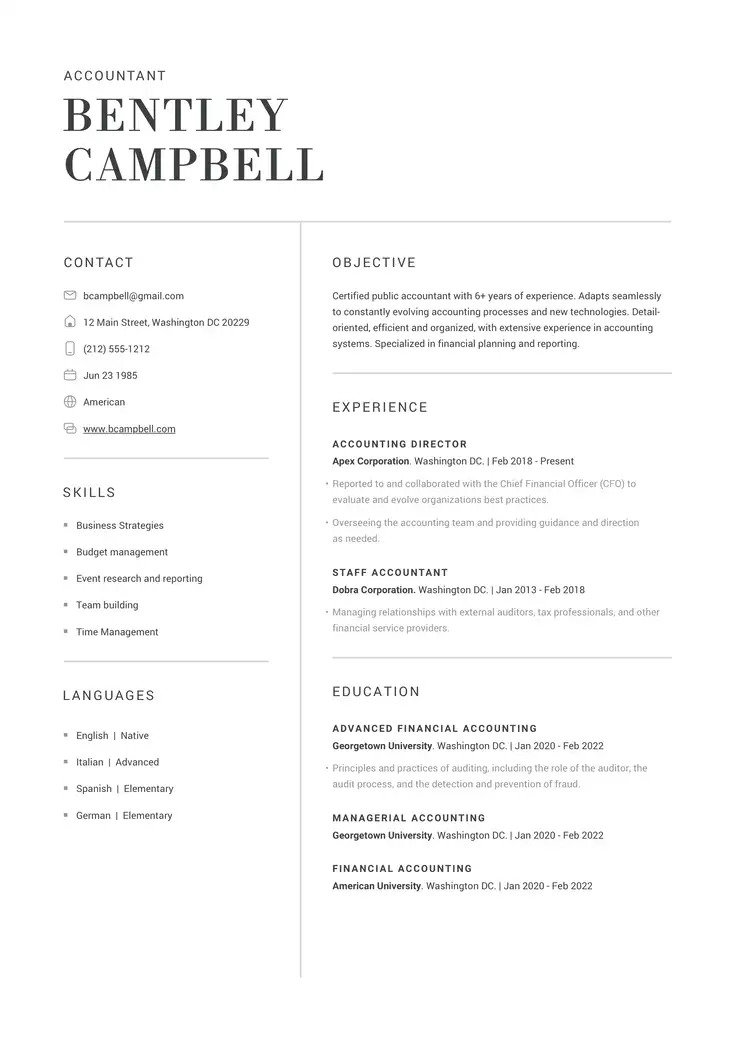
These resume templates can help you present freelance work clearly, whether you want a more traditional, ATS-friendly, or modern design.
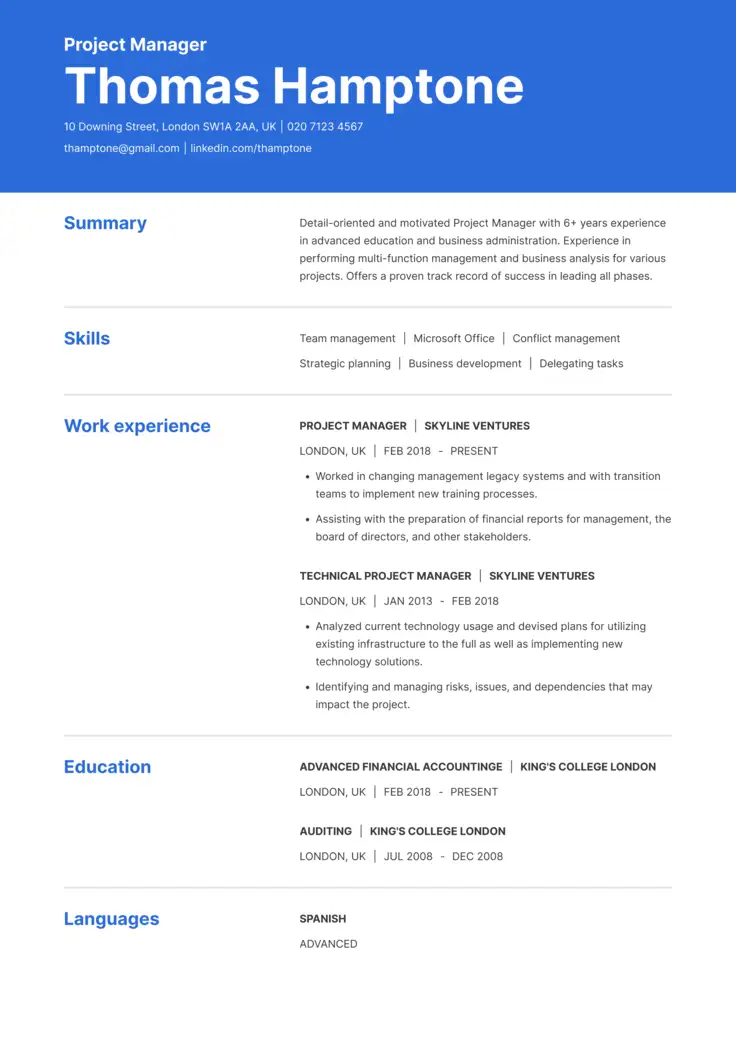
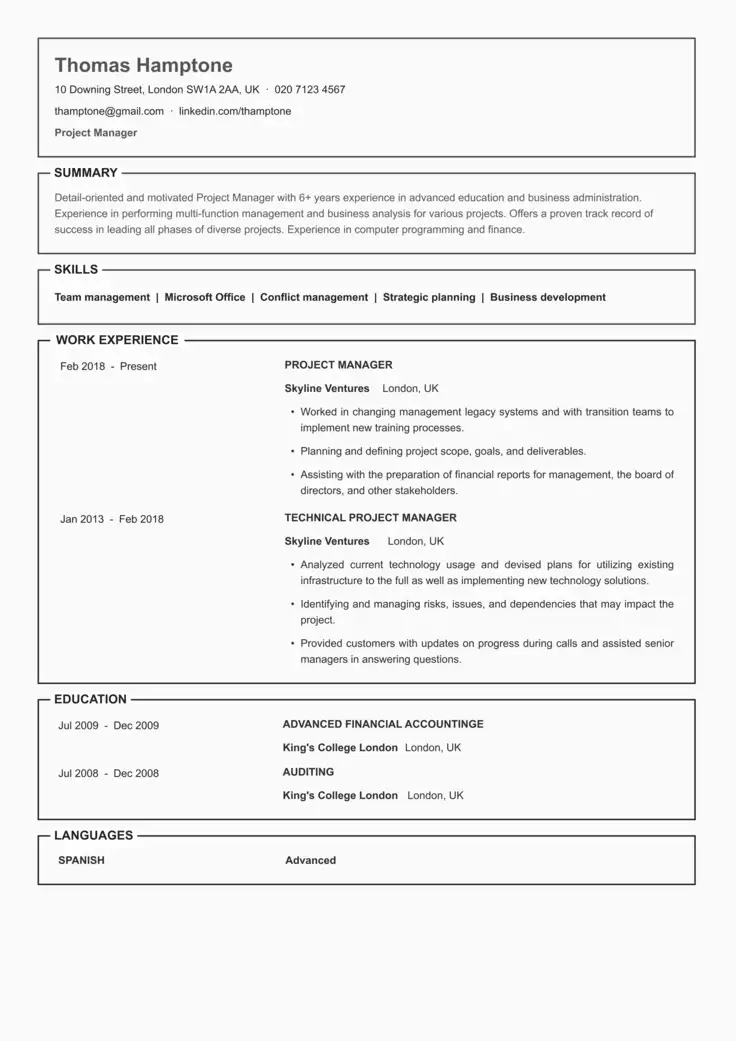
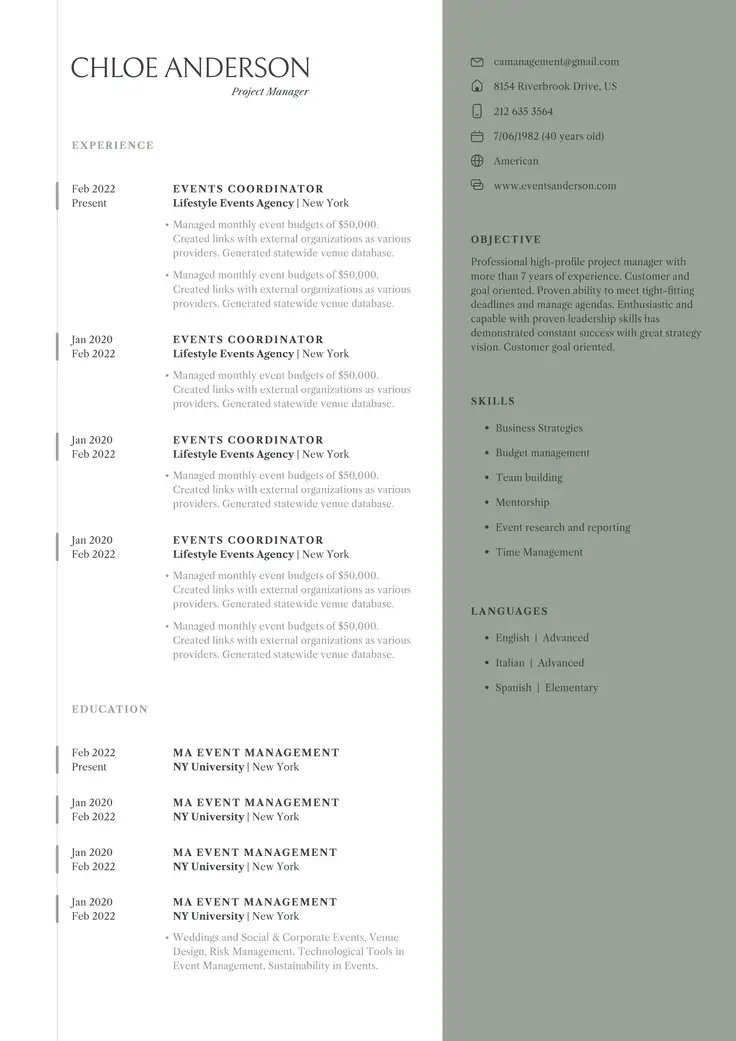
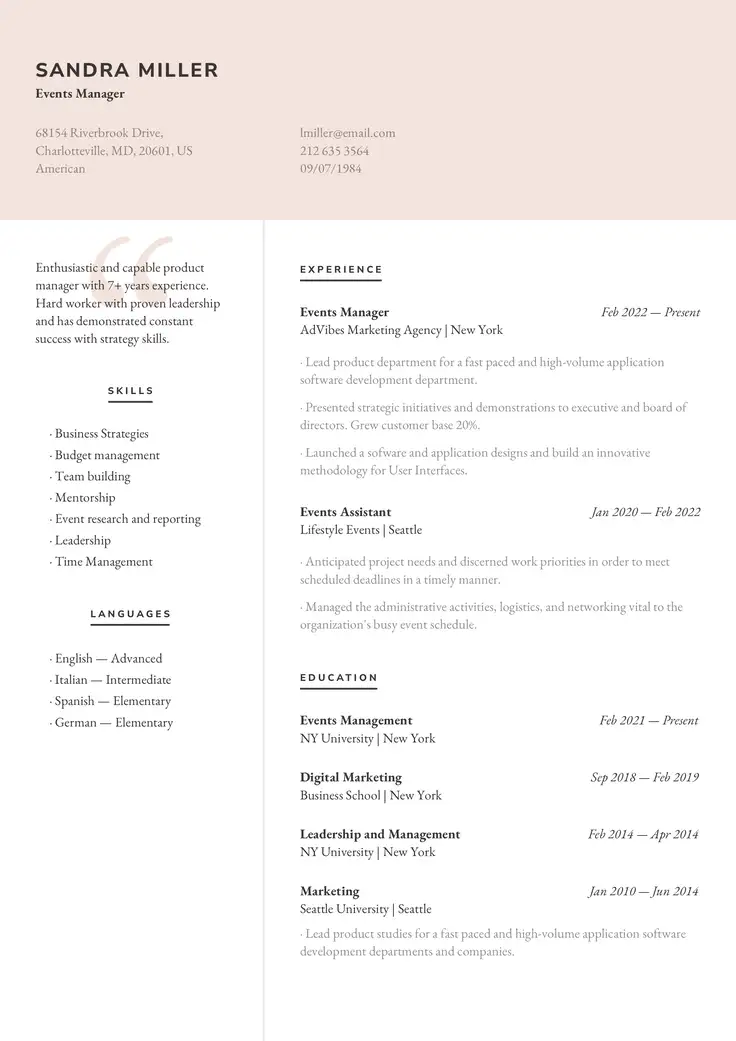
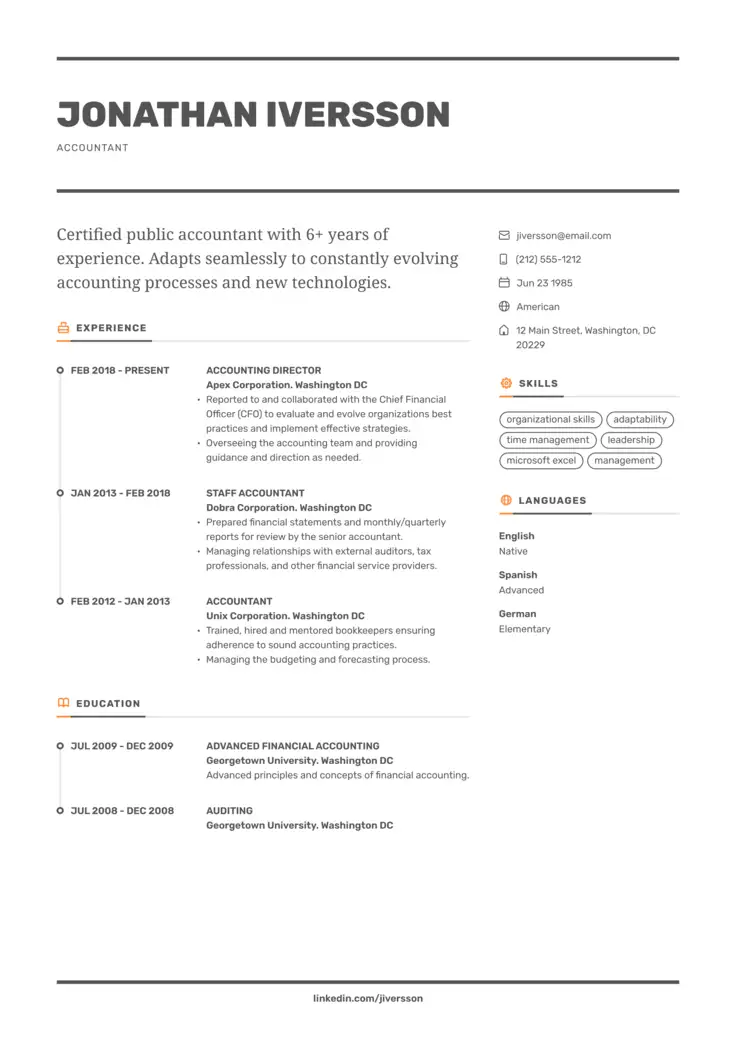
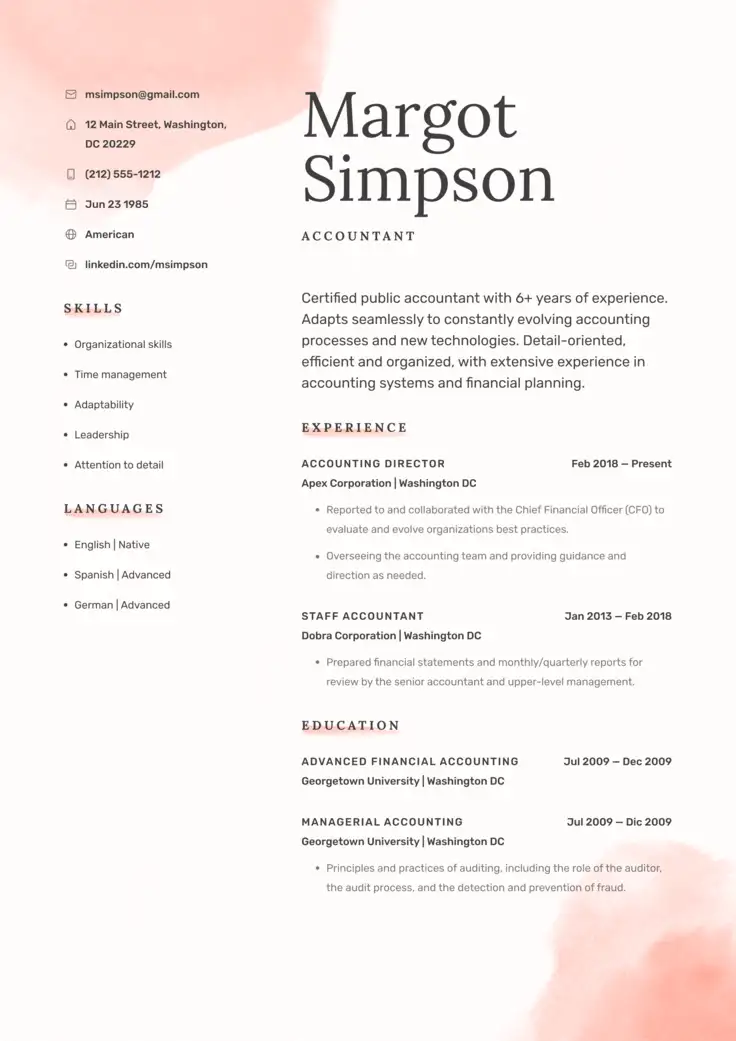
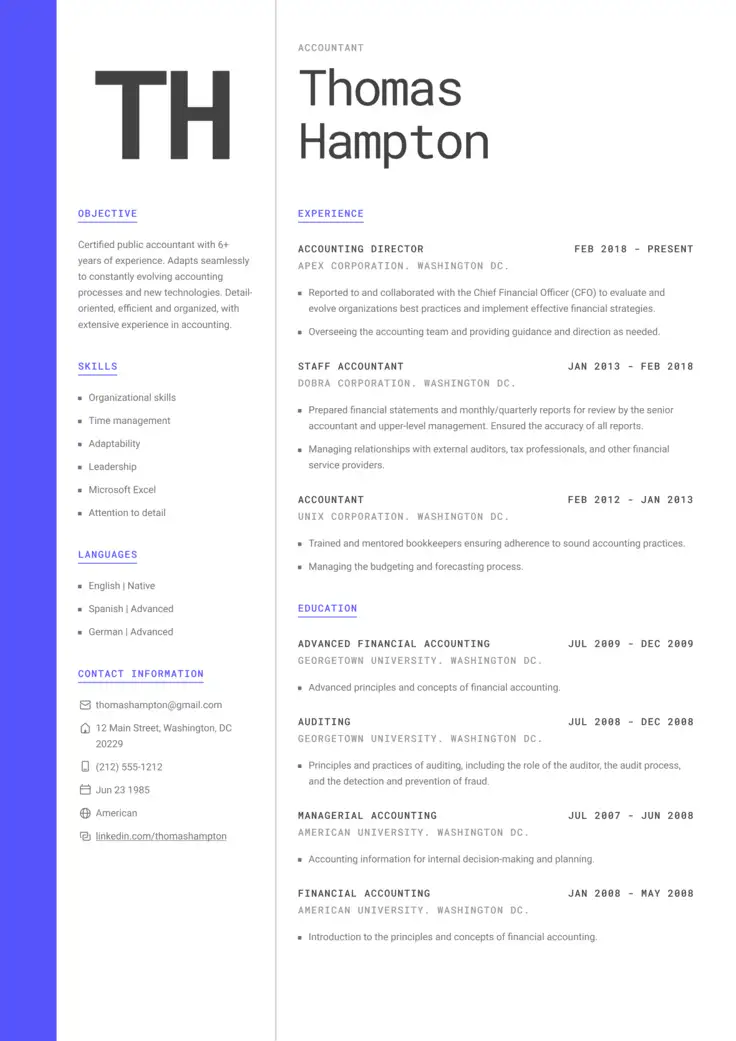
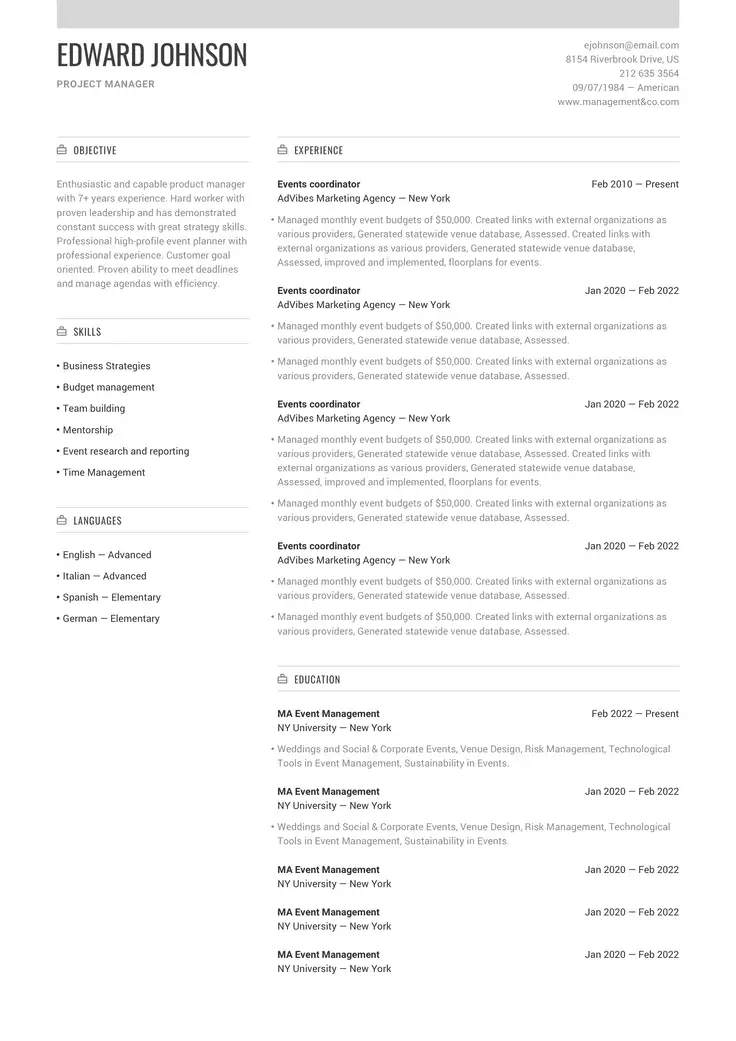
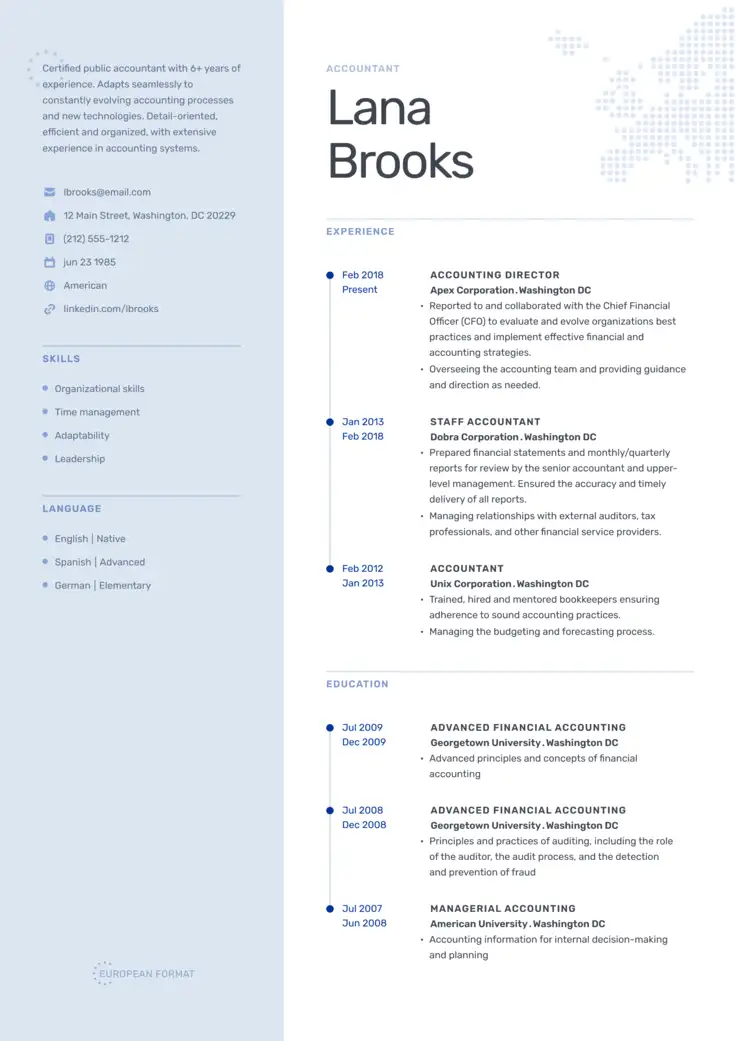
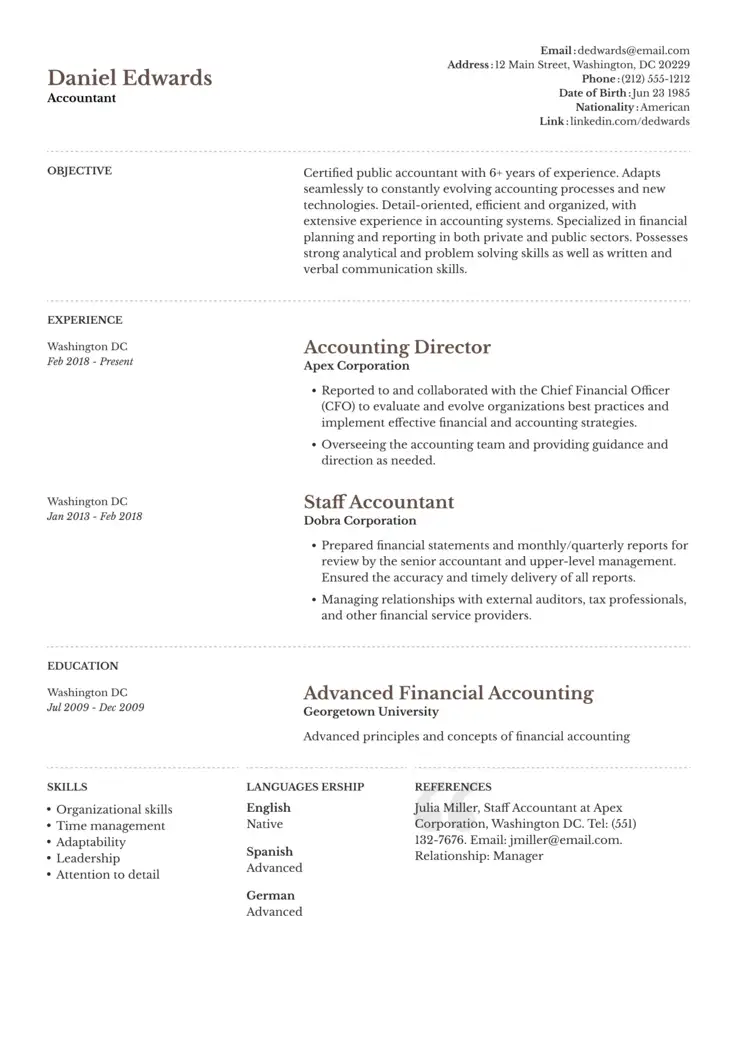
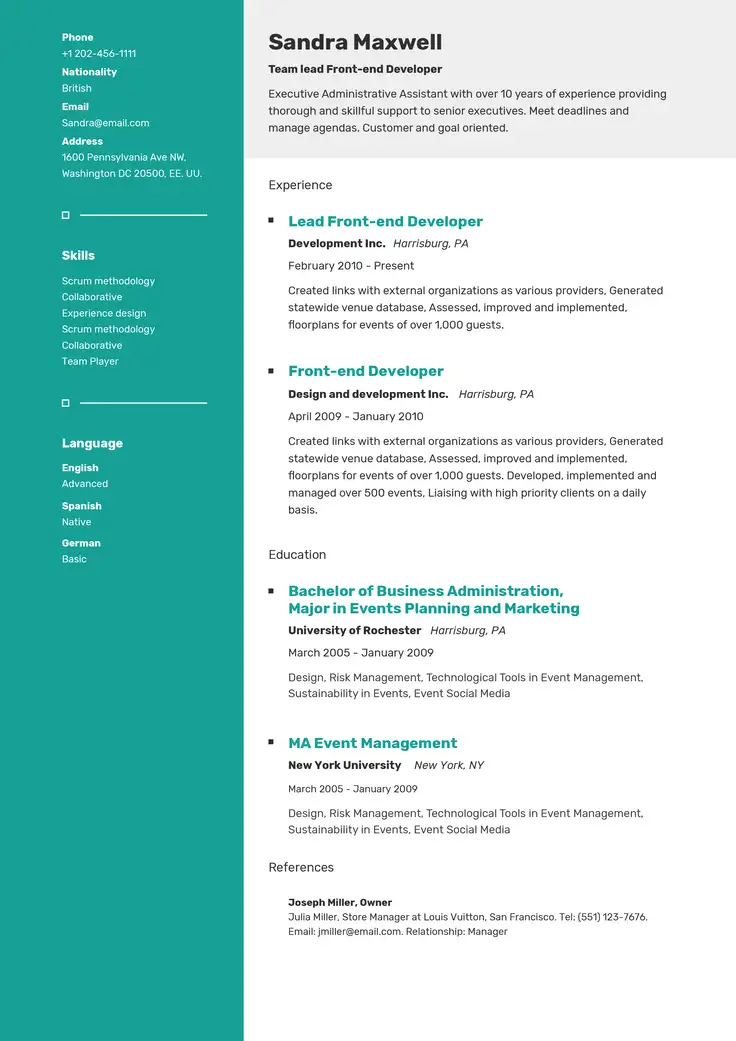
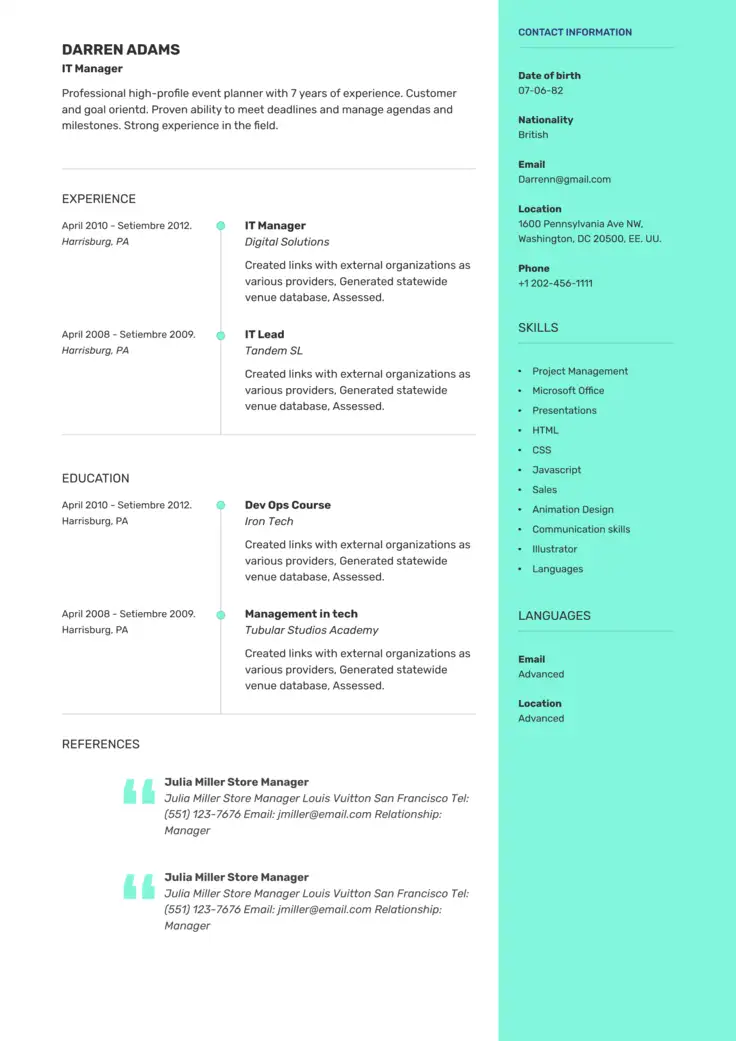
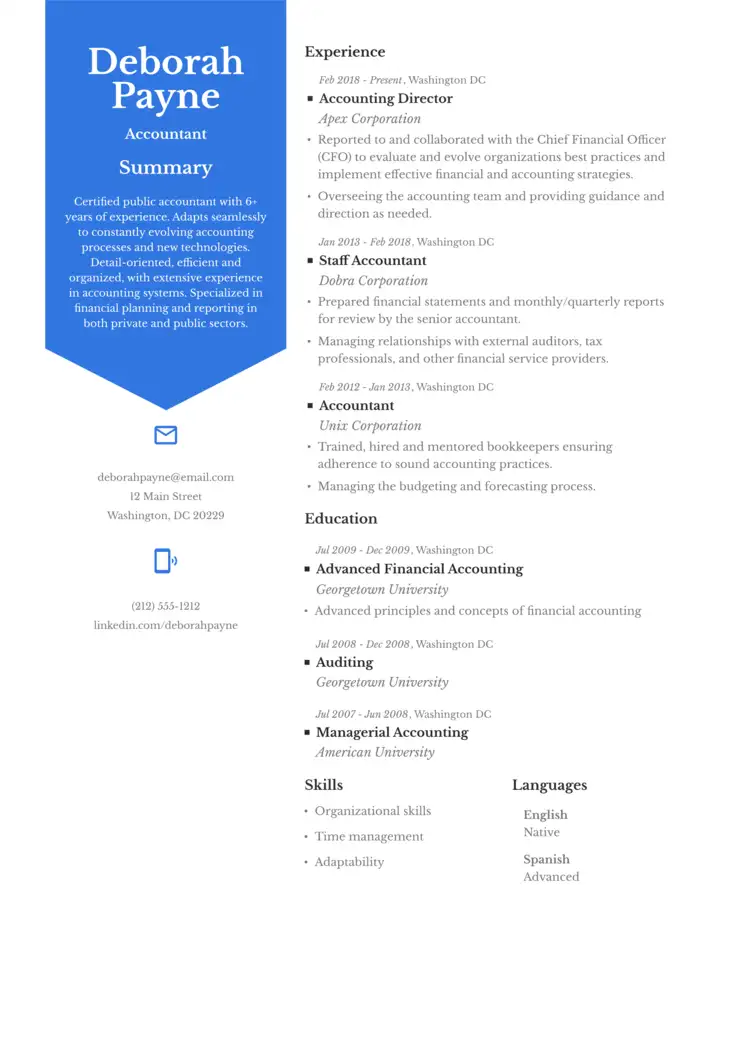
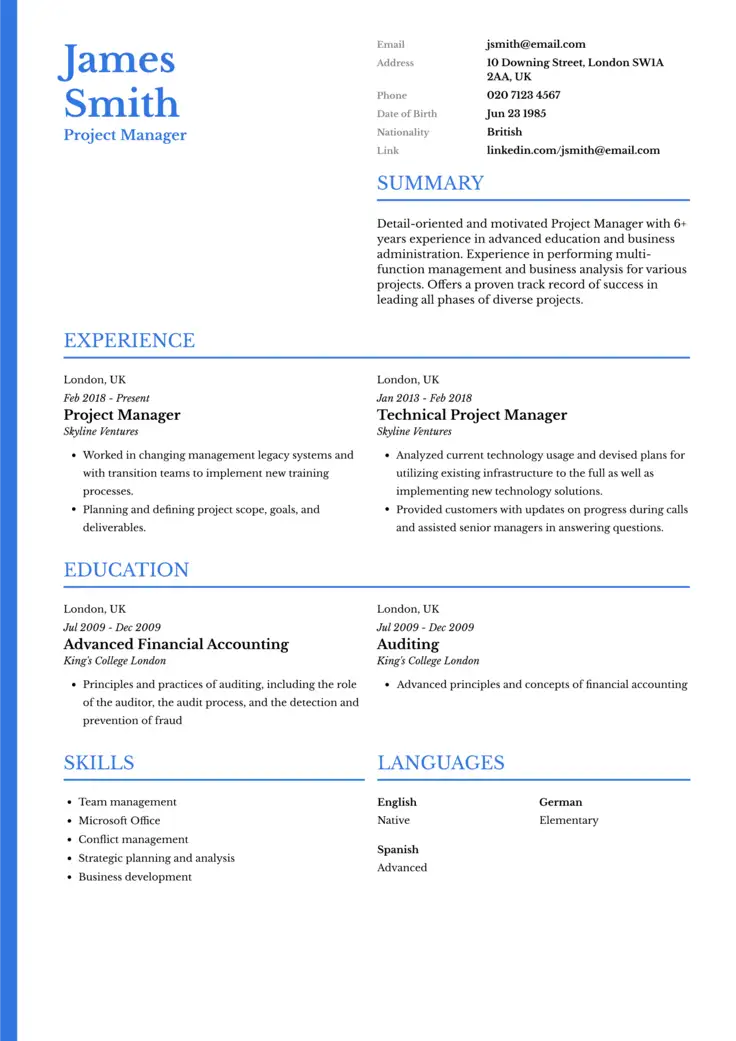
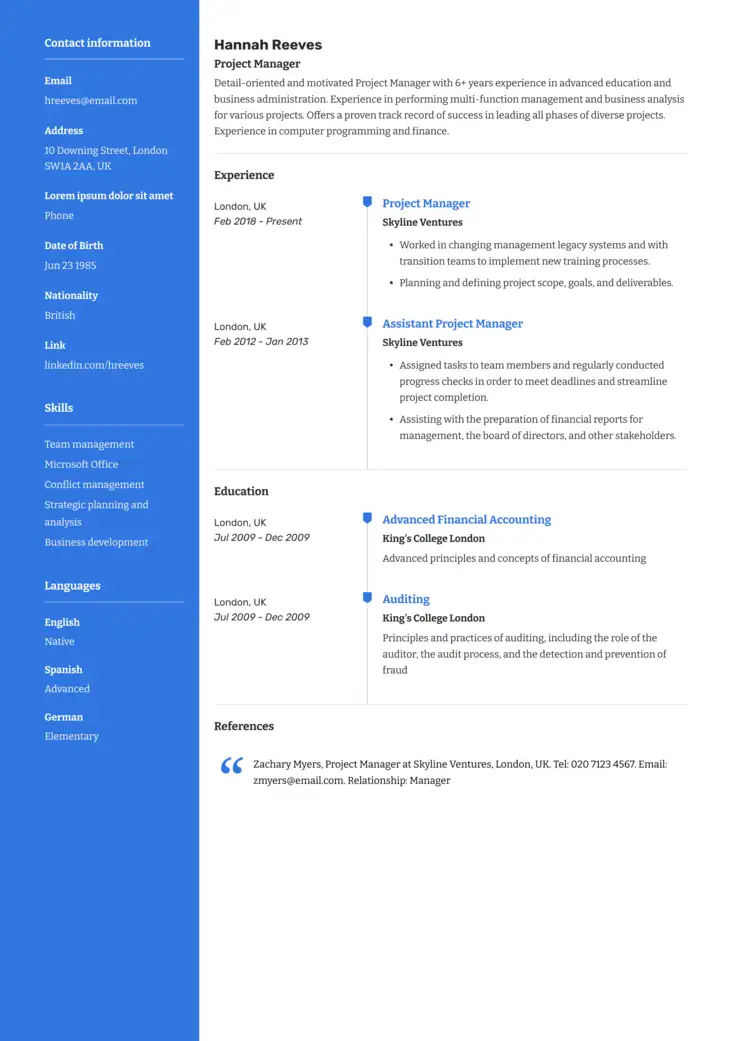
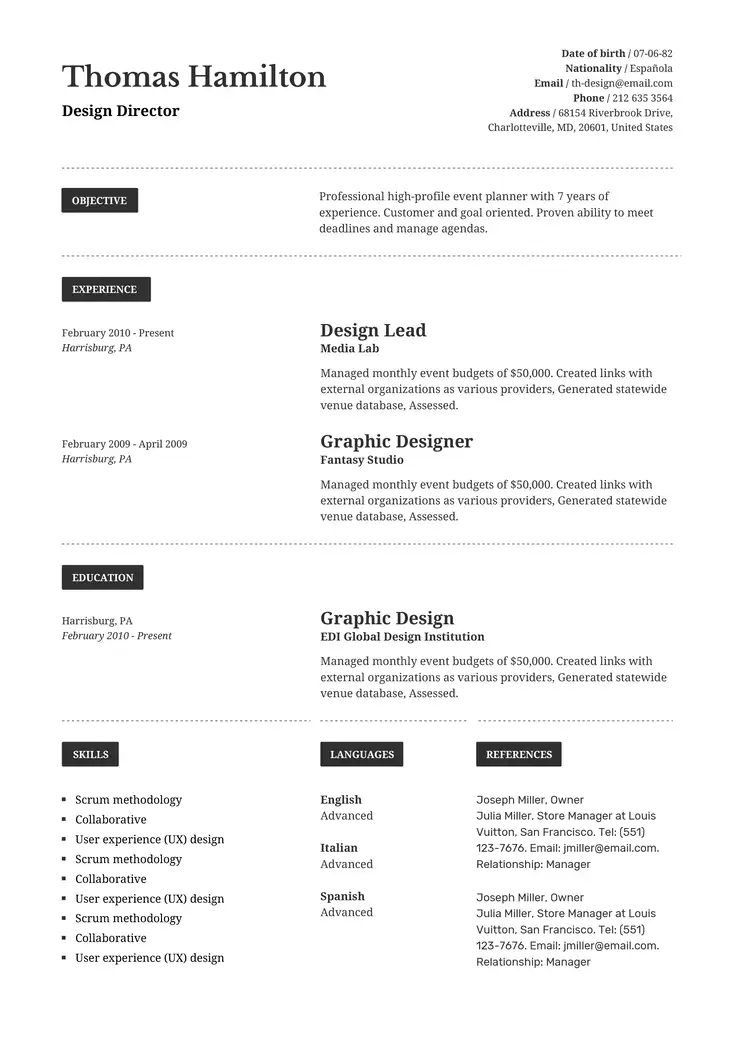
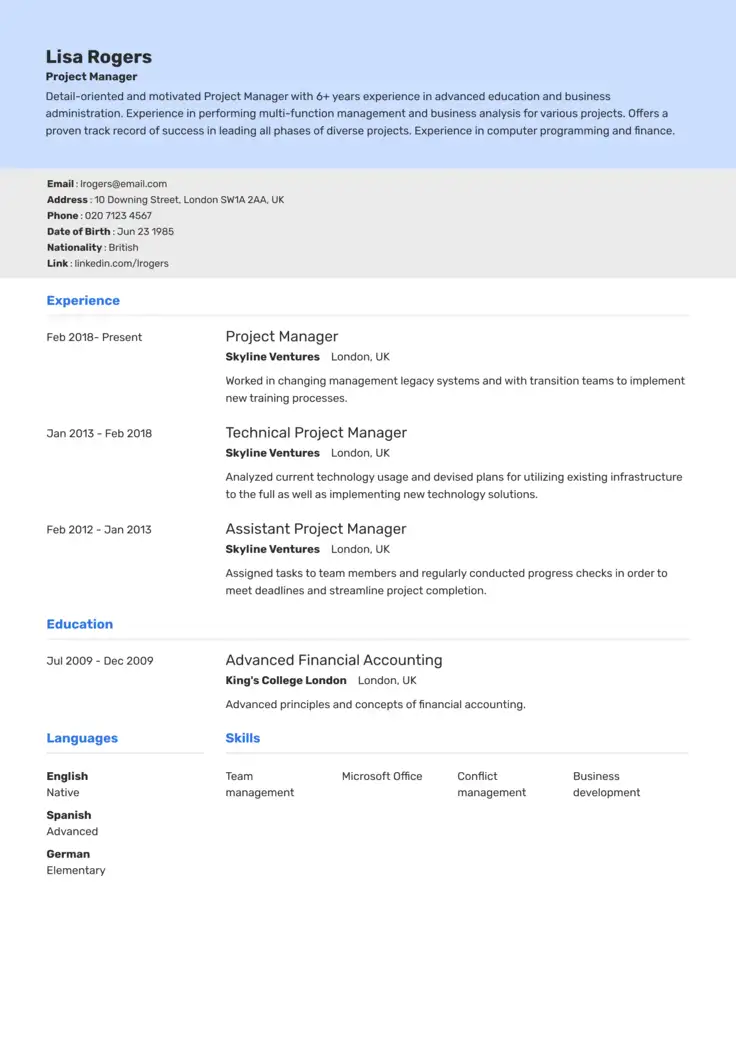
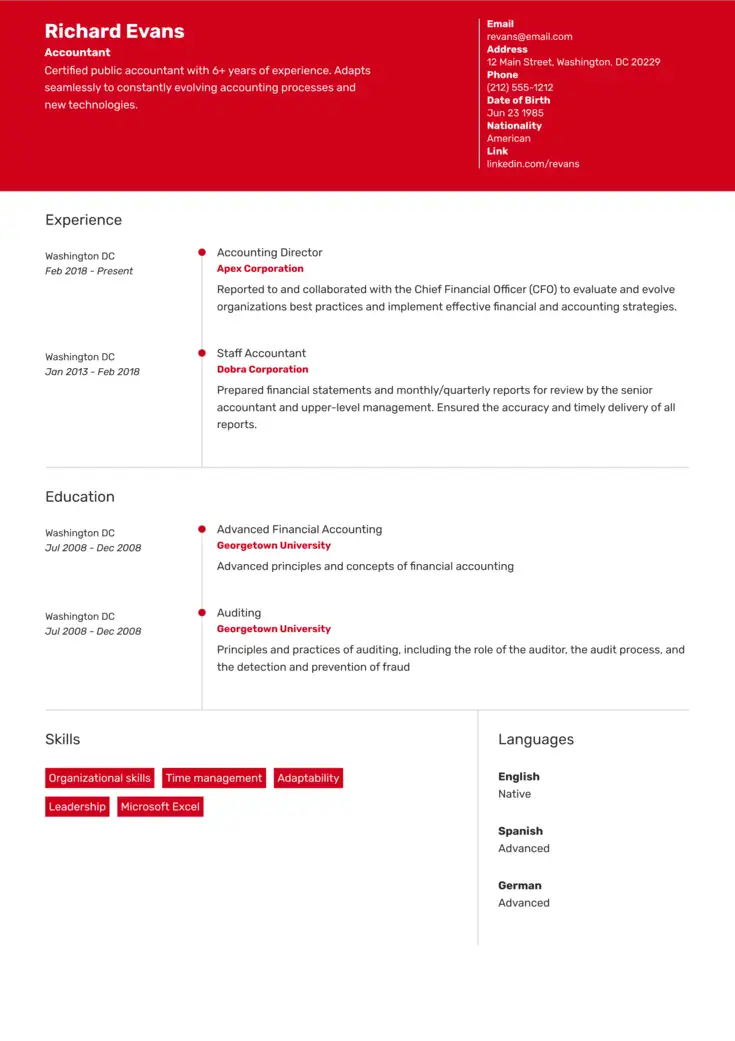
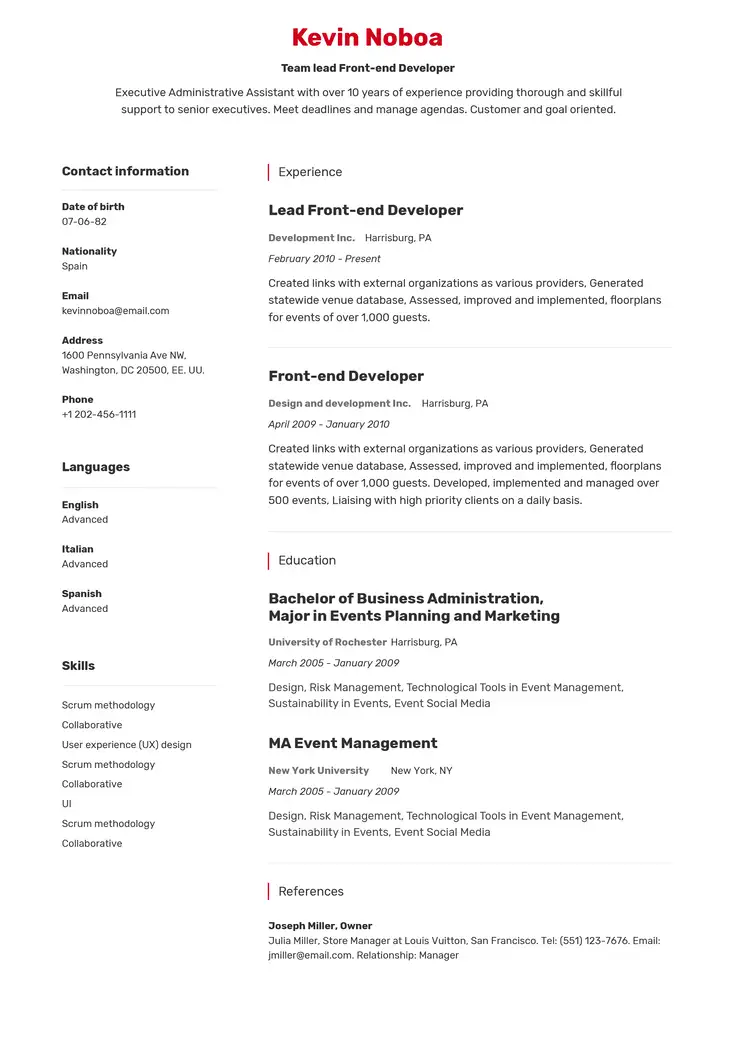
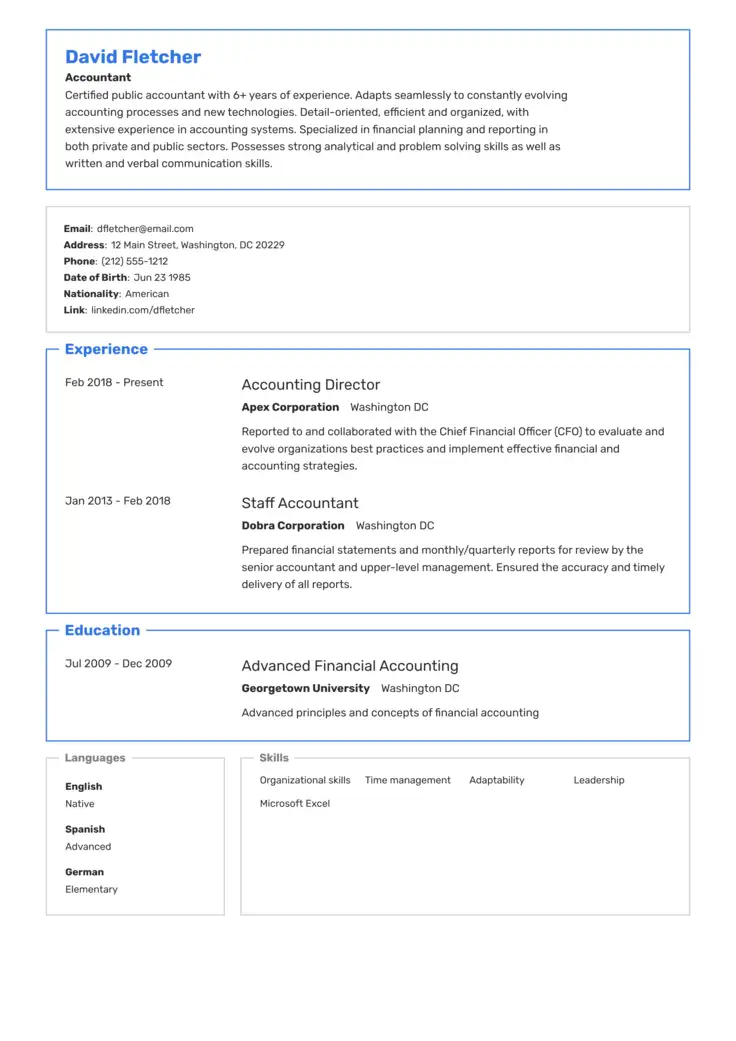
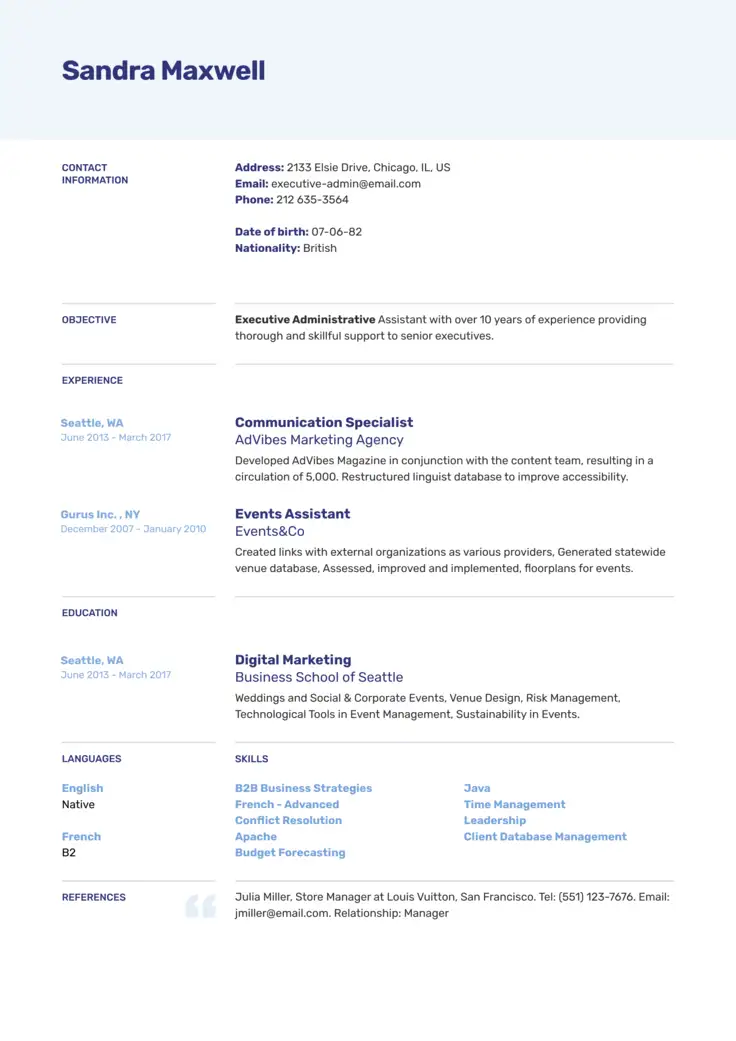
Beyond choosing the right template, selecting the right resume format can help present your freelance experience more effectively.
Best resume format for freelancers
The best resume format for freelance work depends on how much freelance experience you have and how relevant it is to the role you are targeting.
| Resume Format | Best For | Why It Works |
|---|---|---|
| Reverse-Chronological | Freelancers with consistent experience | Highlights recent freelance work and career progression clearly. |
| Functional | Project-based freelancers with varied experience | Focuses on transferable skills over work history. |
| Combination | Freelancers transitioning into full-time roles | Balances skills and experience for hybrid backgrounds. |
In most cases, reverse-chronological is the best choice because it is the format recruiters are most familiar with and easiest for ATS systems to parse.
How To Format Freelance Work on a Resume
When listing your freelance work, clarity, outcomes, and relevance are key. Review your performance and include quantifiable data.
1. Mention freelance work in your resume summary
Your summary section is your professional pitch on paper. It’s what helps a recruiter or hiring manager determine if they want to learn more about you. Use this section to present your skills, achievements, and what you can bring to a potential employer. Examine how it’s done in the following example:
Freelance Graphic Designer
Innovative and versatile Graphic Designer with 5+ years of experience partnering with small businesses to bring their creative vision to life. Specializing in boosting brand visibility by 37%, increasing client engagement by 60%, and generating $100K+ in revenue by redesigning website visuals and improving user experience.
2. List your freelance experience clearly
In the experience section, clearly list your freelance positions, starting with the most recent. Include your job title, the client or company name, and your responsibilities. For instance:
Experience
Freelance Graphic Designer – ABC Corp (Jan 2022 – Present)
- Created marketing materials that increased client engagement by 25%.
- Collaborated with the client’s internal marketing team on a rebranding campaign, resulting in a 37% increase in mentions across different media.
3. Add relevant freelance skills that support the role
When relevant, mention freelance-specific skills that support the role, such as client communication, project management, or technical expertise demonstrated through your freelance work.
Unsure about which skills to add or how to do it? Try our AI-powered resume builder and get personalized suggestions to enhance your resume.
4. Highlight achievements and results
Prospective employers and clients care about results. As you are writing your resume and listing your skills and freelance work, make sure you are consistently answering the question, “what did I help my clients achieve?”
You can do this by incorporating achievements and impressive results from your freelance work to demonstrate your impact. Link these to key performance indicators (KPIs) to provide measurable evidence of your success.
Look at the following examples that could be included in the experience section or under an extra ‘Achievements’ section.
- Increased client website traffic by 40% through strategic SEO practices.
- Boosted client’s social media engagement by 50% with targeted content strategies.
- Secured an additional $50K in sales in 3 months by creating a targeted email campaign and promotional materials that aligned with the client’s brand identity.
Example freelance achievements
Take a look at the following example to see how it’s done. It includes powerful action words and metrics and is concisely presented with bullet points.
Experience
Freelance Graphic Designer
ABC Corp, Remote
Jan 2024 – Present
- Redesigned branding and marketing materials, resulting in a 50% increase in brand recognition and a 35% improvement in visual appeal across digital platforms and print media.
- Collaborated with cross-functional teams to deliver 20+ projects, 10% under budget and 2 weeks ahead of schedule.
- Implemented targeted design strategies, leading to a 30% improvement in customer satisfaction and a 25% increase in engagement within 3 months.
By following these guidelines, you can present your freelance work clearly and help employers understand what you bring to the role.
FAQs
List freelance work in your experience section like any other job. Include your title, client name, or indicate multiple clients, along with dates and bullet points highlighting responsibilities and achievements.
Yes. Freelance work counts as professional experience when it demonstrates relevant skills, responsibilities, or measurable results related to the role you are applying for.
Group similar freelance projects under one entry, such as “Freelance Graphic Designer” or “Freelance Consultant,” and include selected clients or project highlights in the bullet points.
Use “freelance” when working independently on projects for multiple clients. Use “self-employed” when you run your own business or operate as a business owner.
You can support freelance work experience with client references, testimonials, project portfolios, certifications, relevant training, or measurable results from completed work.
Yes. Freelance work can be included under employment history when it is relevant to the role and helps demonstrate your professional experience or career progression.
Struggling with Resume Writing?
Ease the process with our templates
Related Posts