
How To Write a Resume in 2026: Skills Section, Summary, Languages, and More
Find out how to build a resume section by section and understand how to list certifications, skills, and more.

Writing a resume can seem complex. However, if you know what sections you should include and how to add your qualifications, you can impress recruiters or applicant tracking systems instantly.
This resume writing guide will help guide you through the process. We’ll give you some tips for writing a great resume and debunk every myth you’ve ever heard about how to write an effective resume. Follow along step by step to create a resume that will land you more interviews!
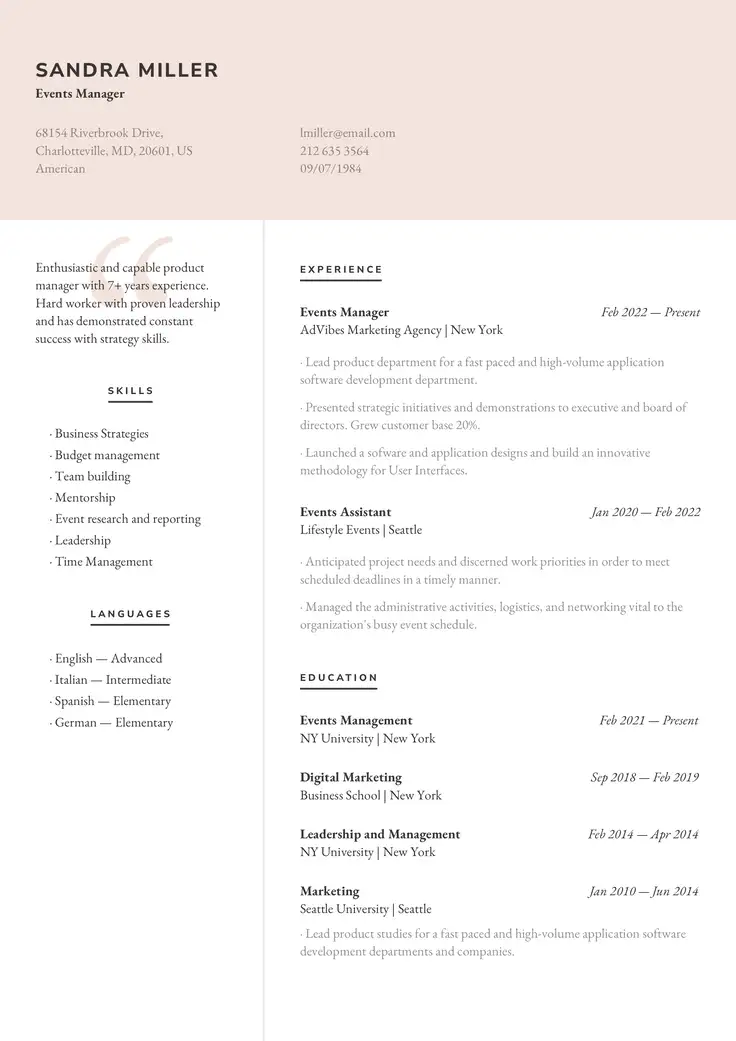
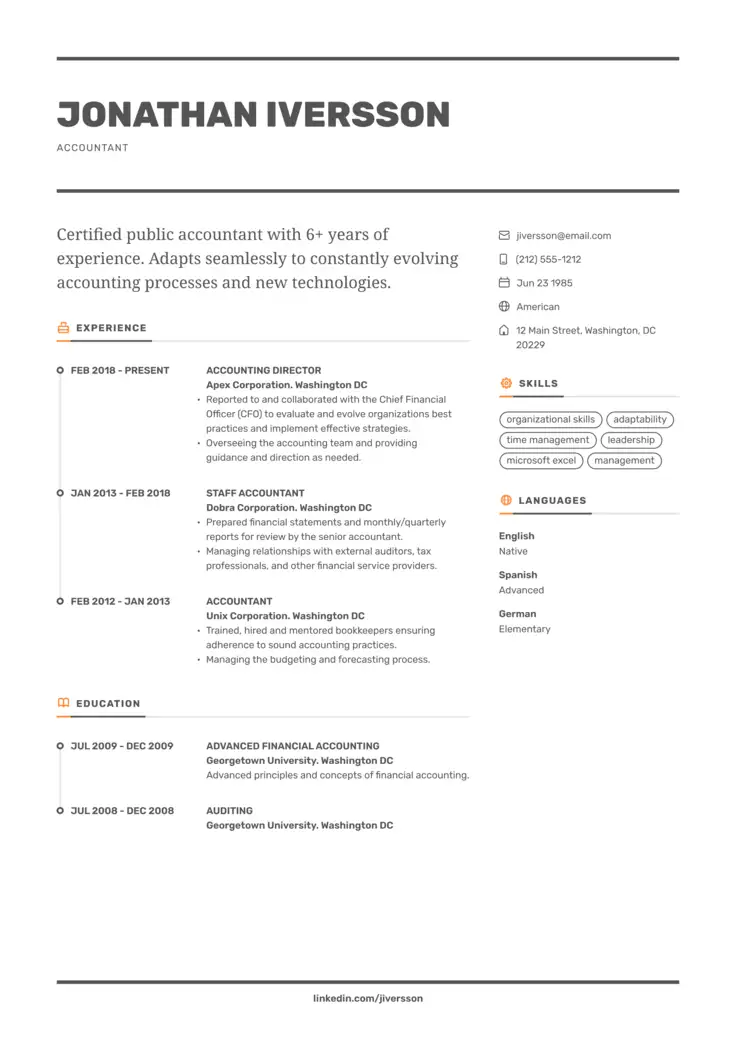
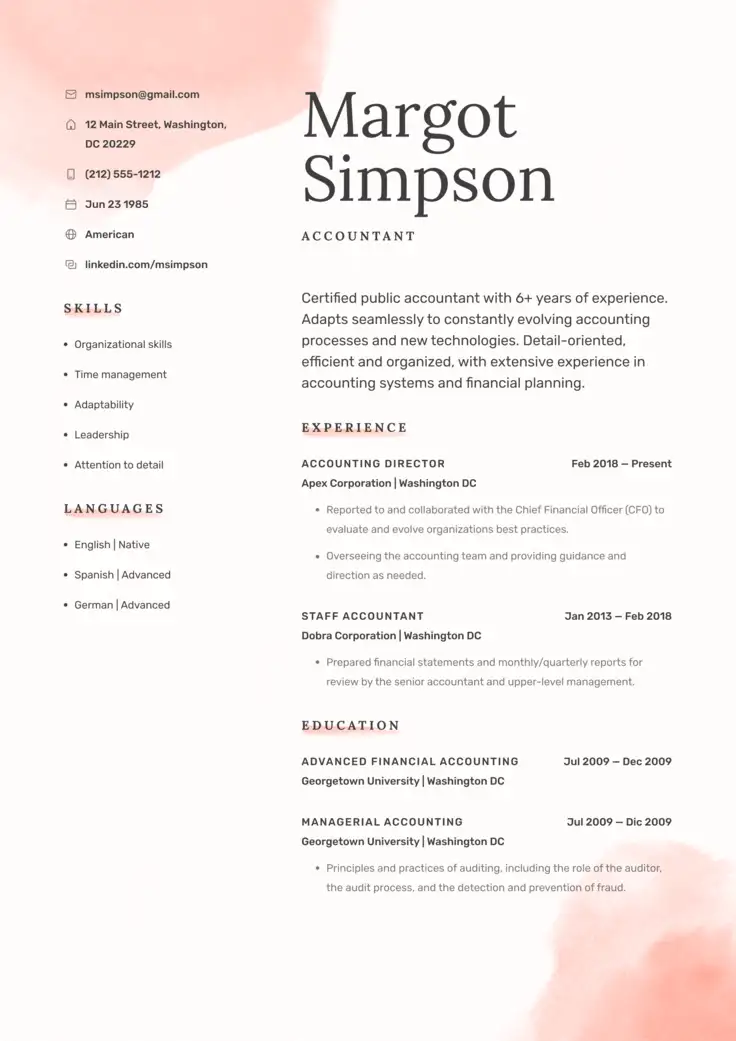
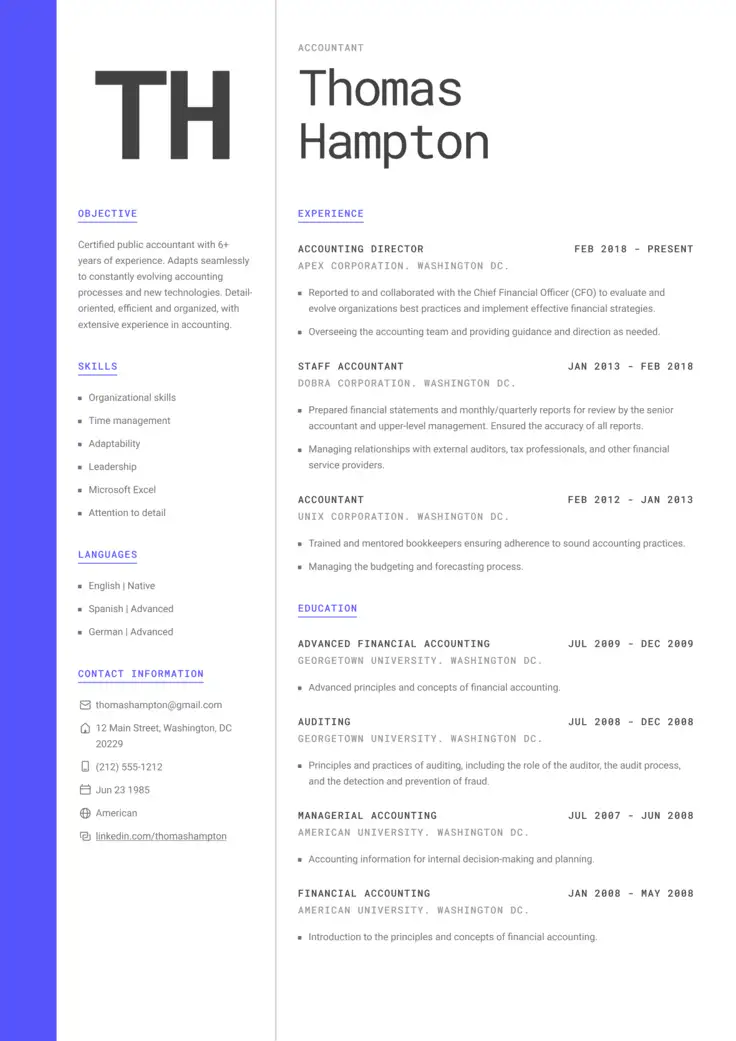
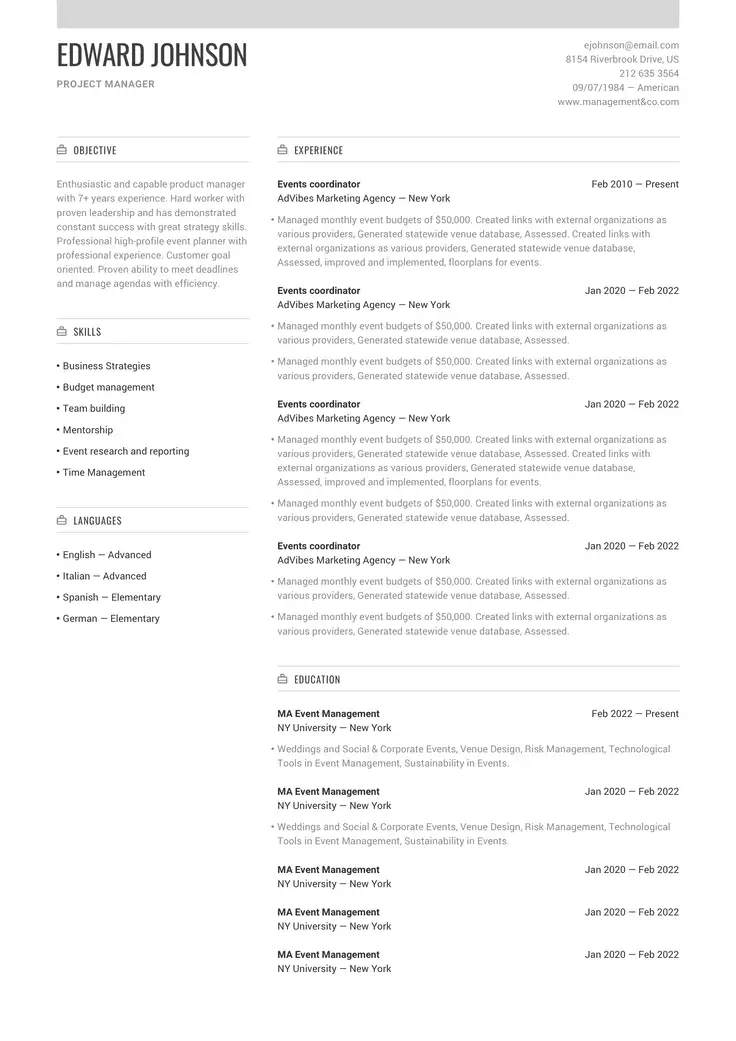
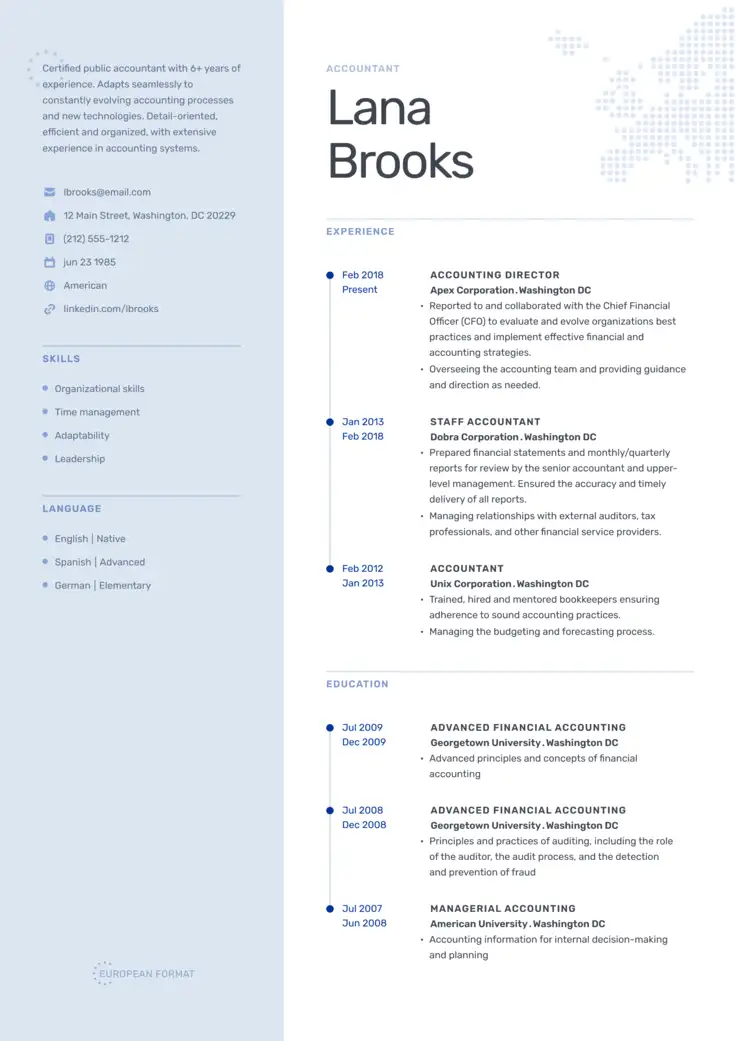
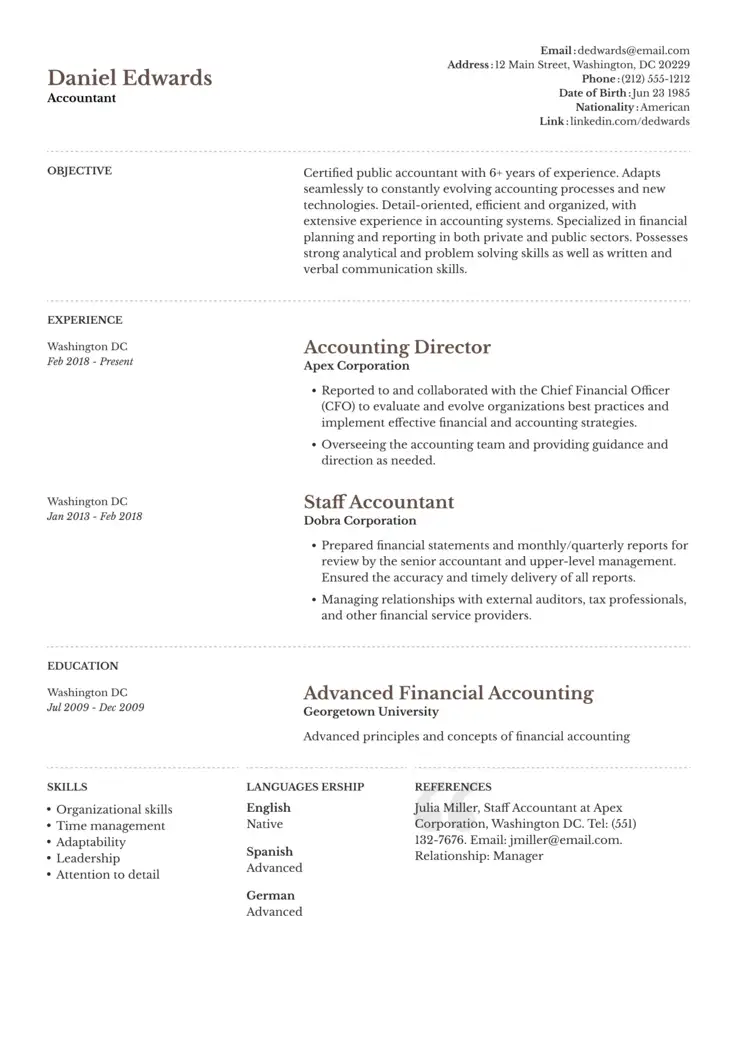
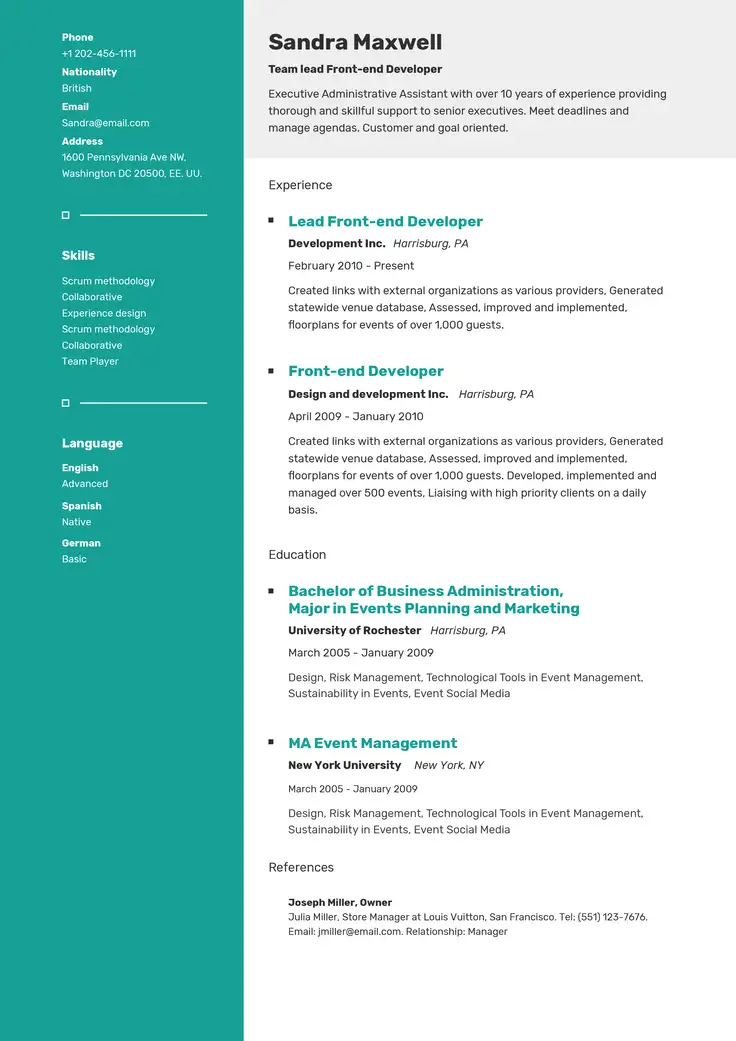
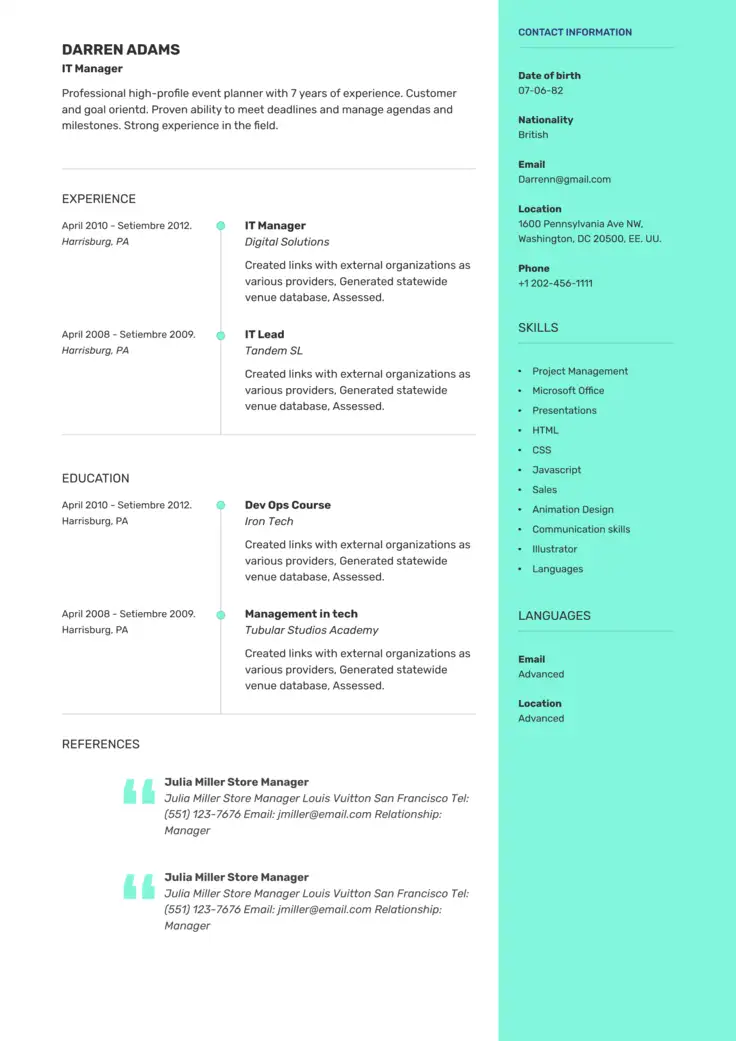
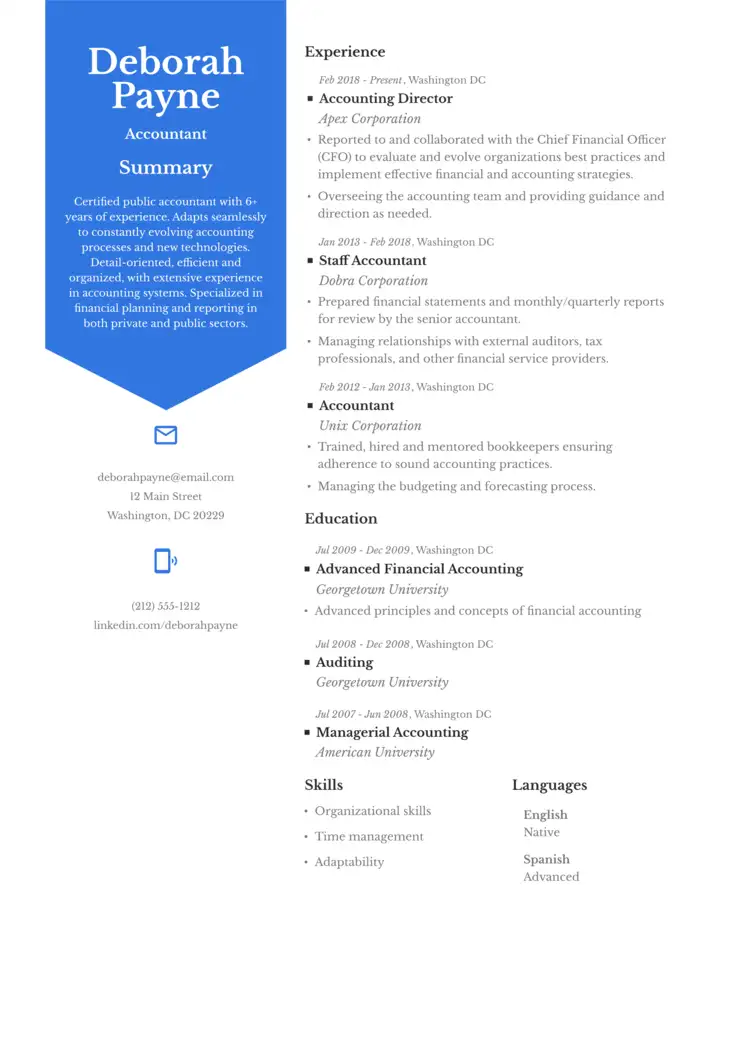
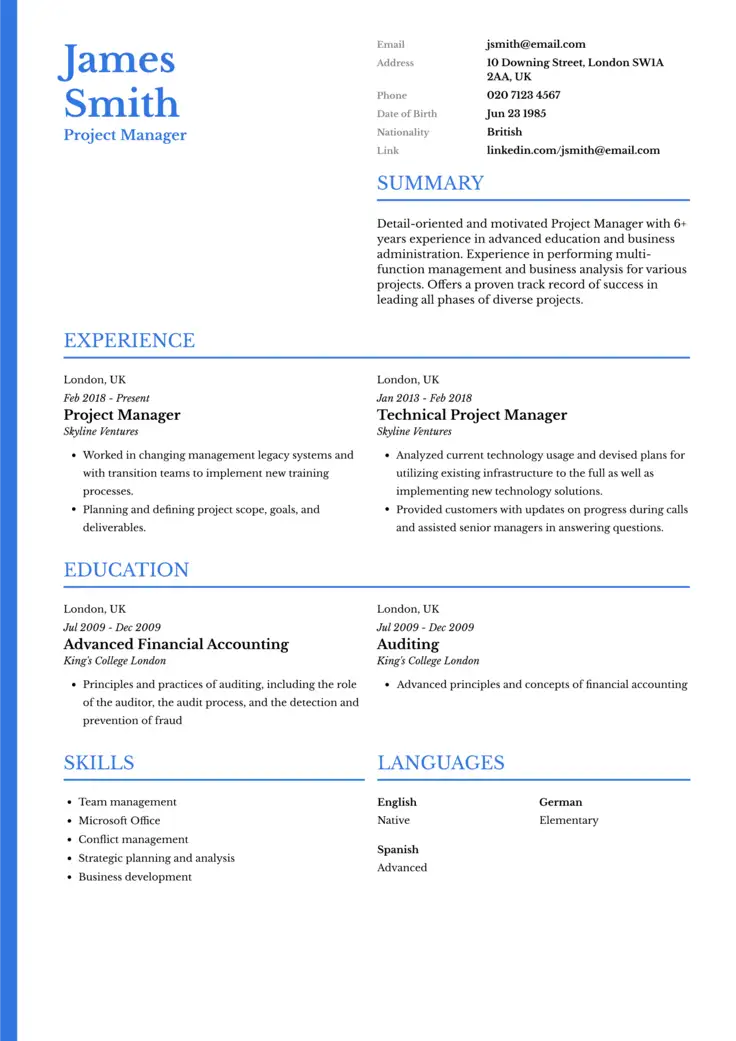
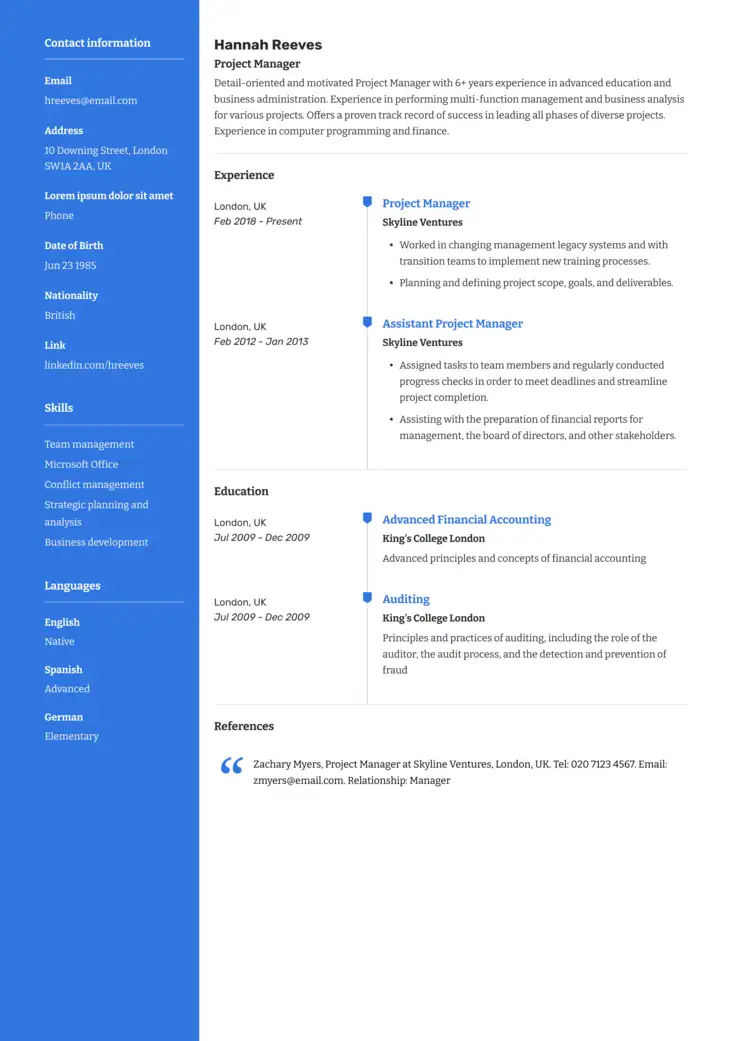
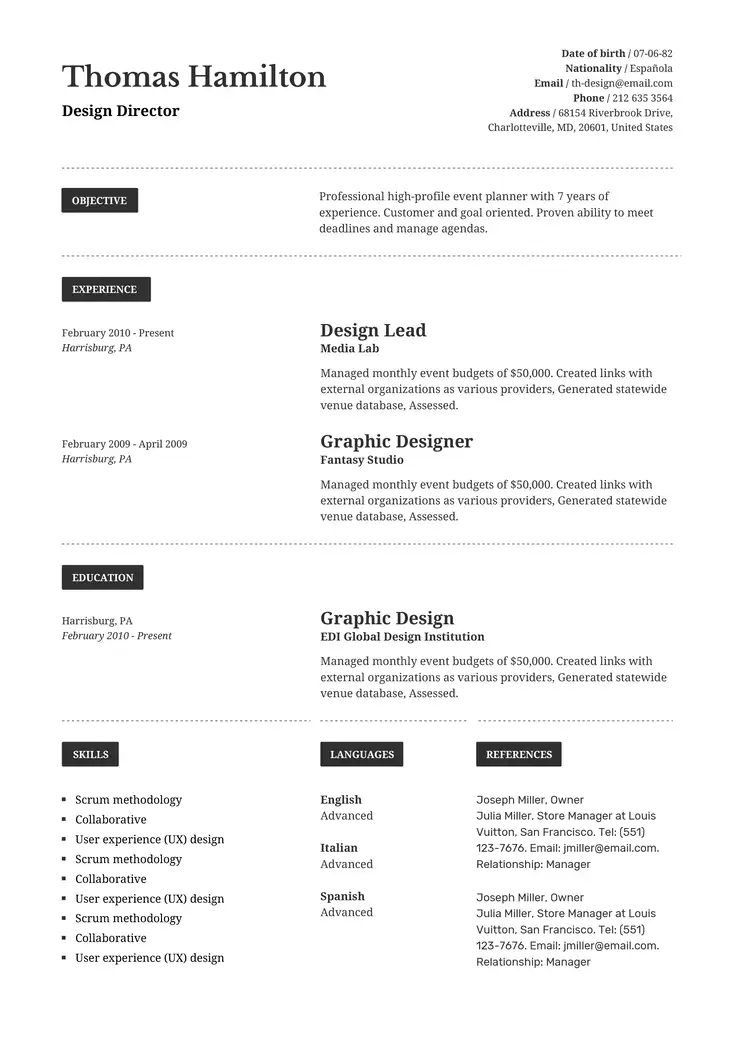
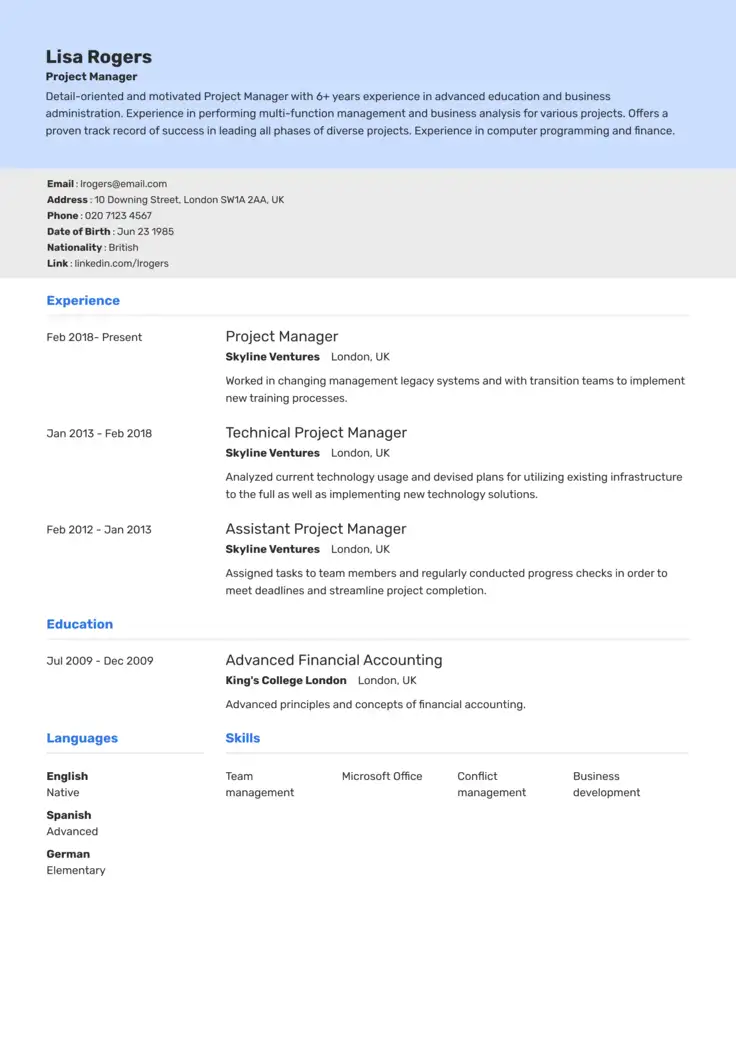
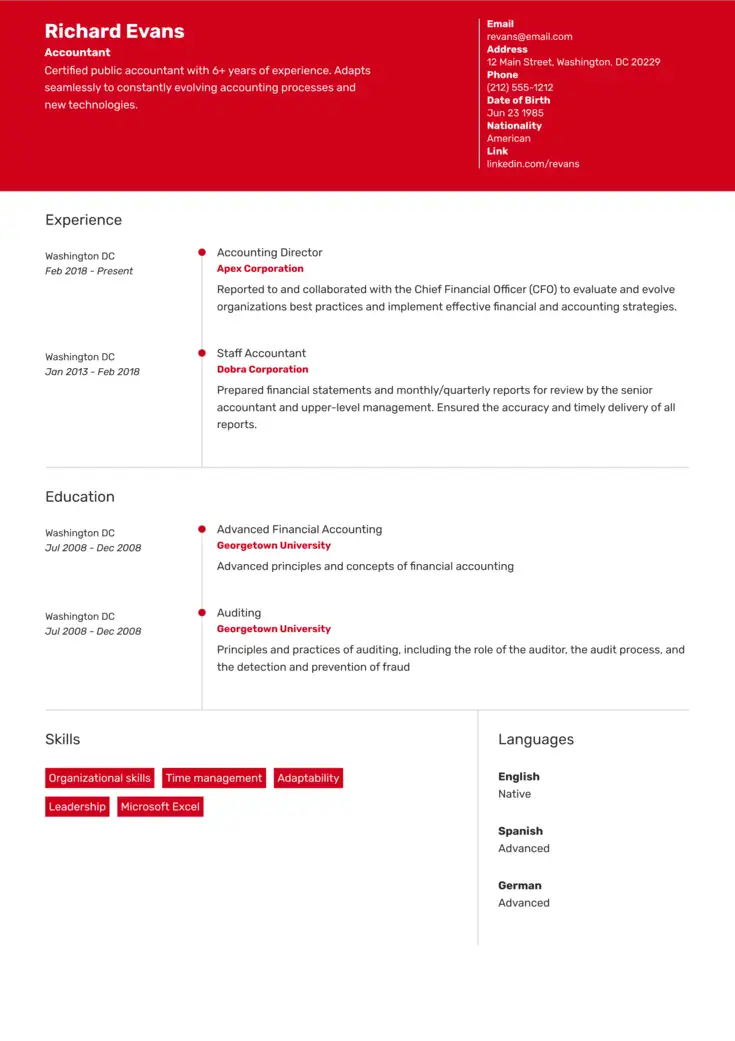
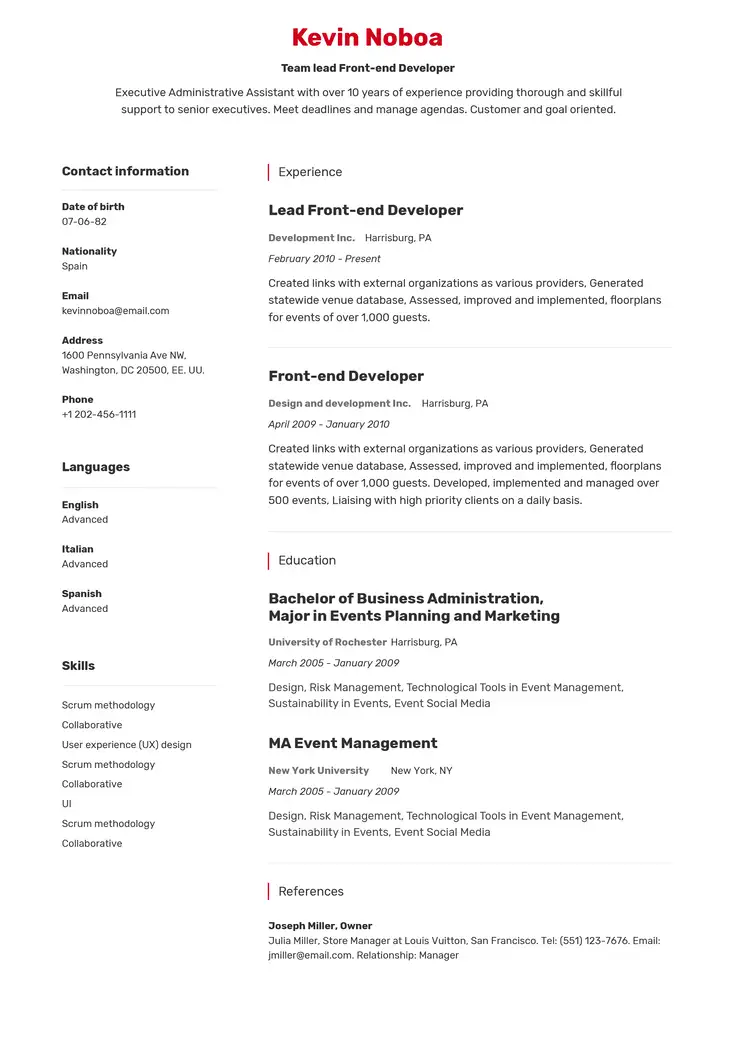
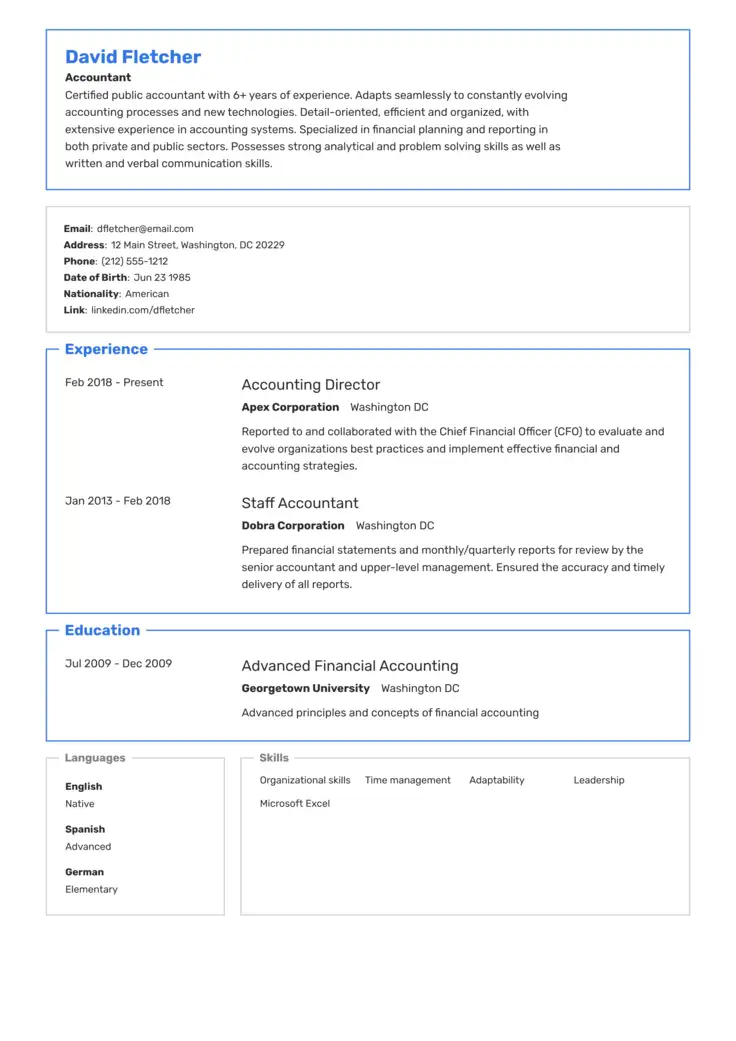
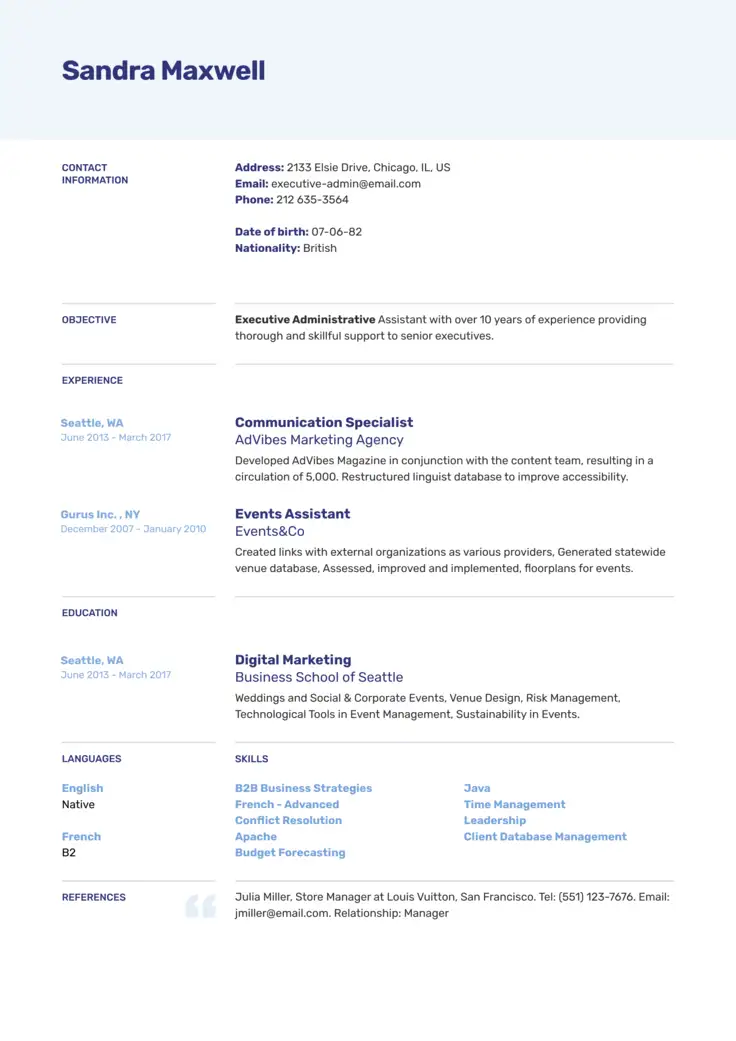
How To Write a Resume Step-By-Step
Use the following step-by-step resume writing guide to help you list your professional experience and other details to position yourself as the ideal match for a job.
Take advantage of our AI resume builder and resume templates as well to help you create a strong resume in minutes that will land you interviews.
STEP 1: Choose the right format
Before putting together bullet points, you need to choose the resume format that will best showcase your career story.
There are 3 different types of resume layouts and formats most common in job searching: Chronological, Functional and Combined.
Each format has advantages and disadvantages, and they serve different purposes depending on your level of experience, career goals, and work history.
-
💡 Our expert says

Choosing the wrong format can accidentally highlight gaps, hide achievements, or confuse hiring managers.
- Chronological resume – Best for jobseekers with steady growth in one sector throughout their career. This ATS-friendly format is the one most recruiters and HR selection teams expect to see.
- Functional resume – Ideal for job seekers who have been self-employed,have gaps in their job history, career changers, or freelancers.
- Combination resume – Perfect for job seekers with a specific skill set or those looking to change career paths.
Learn more: For a more in-depth introduction to resume styles, read our guide on resume formats.
STEP 2: List your contact information
Apply a unique heading with your name and contact information. Usually, this includes your name, phone number, email, and any relevant online links.
STEP 3: Write a resume summary or resume objective in your introduction
Next, you will write an introduction. This is the first part hiring managers will read, and it needs to make a strong impression.
It will be an objective for your resume, summary statement for your resume, or qualifications summary, depending on your level of experience and career story.
Consider choosing the format that best matches your situation:
| Introduction Type | Best For | Format & Length | What to Include |
|---|---|---|---|
| Resume Objective | Entry-level or no experience | 2–4 sentences | Career goals, enthusiasm, work ethic, transferable skills |
| Qualifications Summary | Career changers or professionals with diverse experience | 5–6 bullet points | Key achievements, key abilities, leadership, communication, technical skills |
| Resume summary statement | Experienced candidates | 3–5 lines | Years of experience, areas of expertise, proven results |
Resume summary and resume objective examples
Here are resume introduction examples for each of these types, to help you get an idea of what each one should look like:
Resume objective example
Resume Objective
Proactive and creative marketing graduate seeking an entry-level marketing assistant role.Strong organizational skills, attention to detail, and enthusiasm for digital campaigns. Eager to apply classroom knowledge and internship experience to support company growth.
Qualifications summary example
Qualifications Summary
- Recognized for adaptability and problem-solving in fast-paced environments
- 7 years of experience in teaching, now transitioning to corporate training
- Strong leadership and classroom management skills
- Excellent communication and public speaking abilities
- Proven record of developing engaging learning materials
- Skilled in using technology to deliver interactive lessons
Professional profile example
Resume Summary
Project manager with 10+ years of experience leading cross-functional teams in the tech sector. Proven track record of delivering complex projects on time and under budget, utilizing and implementing agile methodologies, process improvement, and stakeholder communication strategies.
💡TIP
Always match your introduction to the job ad. Use the employer’s keywords and stress the skills they value most.
You won’t need to write an introduction from scratch. Our AI resume summary generator can give you a comprehensive summary that highlights your strengths, experience and qualifications in seconds.
STEP 3: Add relevant skills
Depending on the job, your skills could be the most important part of your resume. It’s important to review the job description to understand what specific skills and keywords a recruiter wants to see.
In general, you should add both hard and soft skills in the skills section of your resume, and while they will depend on your job, nowadays competencies such as data analysis, technical skills, and project management can help show your merit.
Also, soft skills like communication, critical thinking, and adaptability can show you can jump straight into the role.
STEP 4: Write your job history in reverse chronological order
Once you’ve got your base, get your resume into shape by filling out the meat of your resume: your employment history.
List each of your past jobs, starting with your most recent position, and work backward. For each position, include the company name, job title, dates worked, and location. Here are a few tips for writing effective resume content:
- Emphasize your industry-specific skills (especially those listed in the job description), but do not just copy and paste keywords from the job ad.
- Use action verbs throughout your resume. Words like “supported”; “increased”; “saved”; “co-ordinated”; and launched” can help describe your past contributions.
- Use the active voice to describe job roles and responsibilities for your current position and your introduction. Past tense should be used for previous employment entries.
Here’s a quick example:
Marketing Coordinator
XYZ Media, New York, NY — June 2021–present
- Manage multi-platform social media campaigns, driving a 25% increase in engagement within 6 months
- Coordinate cross-functional teams to execute promotions and events, improving campaign delivery times
Marketing Assistant
ABC Agency, New York, NY — Jan 2019–May 2021
- Supported market research initiatives and campaign analysis for national clients
- Prepared client presentations and reports, contributing to improved decision-making and client satisfaction
STEP 5: Include the resume education section
Add the education section of your resume, including your most relevant qualifications. Make sure to include your school and the degree or title, putting the most recent first.
You should also:
- Use an expected graduation date if you are still studying.
- Add relevant coursework or academic honors if you have limited work experience.
Bachelor of Science in Marketing
Arizona State University | Expected May 2027
Relevant coursework: Consumer Behavior, Digital Marketing
STEP 6: Add additional sections relevant to your experience
A strong resume goes beyond job title and dates. While your work history does the heavy lifting, additional sections can provide context and depth. Especially if you’re early in your career, have specialized skills, or are changing industries.
It is always wise to further tailor your resume by adding additional subheadings that align with your background and qualifications. Think of these sections as supporting evidence.
These sections can include volunteer work, honors, internships, languages, and publications.
STEP 7: How to end a resume
The way you close your resume matters. A strong ending gives your document balance and professionalism. Your goal is to end confidently without adding unnecessary information.
Here are a couple of ways you could end your resume:
- Hobbies and personal interests: Optional section. Add only if your personal interests add value, such as fitness, teamwork, or skills relevant to the role.
- Professional references: Do not list names and numbers. Instead, write “References available upon request.” This shows professionalism and saves space.
Including references in your resume
If a hiring manager requests references, choose people who can speak about your work in detail, and ask their permission before sharing their information. Here’s an example of how to list references on a resume:
Jane Smith | Marketing Manager, ABC Company
Former supervisor | jane.smith@example.com | (202) 555-0123
STEP 8: Finetune your document
After you have completed the base of your resume, it is time to review and fine-tune your resume to ensure nothing has been left to chance.
Follow this checklist to ensure your document is error-free and easy on the eyes.
- Create a left-hand margin and align your text. Note: If you used our resume builder or one of our resume templates, then the general page set-up is already done for you.
- Double-check readability factor: incorporate font characteristics such as bold, italic, or underline to bring attention to certain facts, define document headings, or differentiate between details.
- Maintain the same structure throughout and do not use more than two varying fonts.
- Proofread your resume! Review and edit your resume as necessary. Ask a peer or mentor to read through your docs to catch mistakes you may have missed.
How To Prepare Different Resume Sections: Certifications, Awards, and More
When writing a resume, each section can make or break your application. Below, we’ll go over how to list certifications, awards, and other key parts of your resume to make sure you show that you are qualified for the job you are applying for.
How to list certifications on a resume
A certification always looks good on a resume, especially in tech, project management, or finance. When you list a certification on your resume, you should always include:
- The full certification name
- The issuing organization
- The date earned and expiration date, if applicable
If you are still working toward one, mark it “In progress” and add your expected completion date.
How to list languages on a resume
If you have strong language skills and you know that this is something the recruiter is looking for, then it would be a good idea to create a dedicated section on your resume. List the languages you speak with a clear description of your proficiency, such as “native” or “conversational.”
Here is an example of how you can list language skills on your resume:
- English | Native
- Spanish | Fluent
- French | Conversational
Awards to put on a resume in 2026
Having dedicated recognition gives you a competitive advantage and shows that you have been externally validated for what you can do. Professional and academic honors to put on a resume include Dean’s List, industry-specific performance titles, and leadership accolades.
They all assure hiring managers of your commitment to excellence. Put each entry into context so employers get an instant feel for the scale of your achievement.
| Key element | How to format | Example |
|---|---|---|
| Official title | Formal name of the award | Salesperson of the Year |
| Organization and date | Issuer and year received | ABC Company (2023) |
| Context and scope | Metric, competition level, or reason | Selected out of 150 peers for exceeding annual targets by 30% |
How to add volunteer experience on a resume
Including unpaid community involvement highlights initiative, fills employment gaps, and demonstrates key transferable skills. When listing volunteer experience on a resume, treat relevant roles with the same level of detail as paid work.
| Placement | Best for | Format strategy |
|---|---|---|
| Work history | Filling gaps or changing careers | Include job title, organization, dates, and measurable impact. |
| Separate section | Experienced professionals | Place below education to demonstrate specific skills or community service. |
How to list publications on a resume
Listing written work validates your subject-matter expertise and strong communication skills. To do this effectively, create a separate Publications section or include relevant pieces under your education or experience headers.
Here’s how to do it:
- Essential information: Include the author name, article or book title, publisher or journal, publication date, and a direct URL for digital works.
- Pending works: Mark accepted but unreleased pieces as In Press.
How to write a resume section for an internship
Featuring internships bridges your gap between academic study and professional work by highlighting practical experience.
If you are an entry-level candidate, you can include it in your main work history or create a standalone internships section to show off your key projects and transferable skills.
| Placement strategy | Format example |
|---|---|
| Work experience section | Marketing Intern | Apex Media (Summer 2026) – Managed social campaigns, increasing post engagement by 20%. |
| Dedicated internships section | Internships Data Analyst Intern | Tech Solutions (Jan-May 2026) – Built SQL queries to clean datasets for weekly reporting. |
The best hobbies to put on a resume in 2026
Including hobbies can help explain your personality, culture fit, and soft skills, as long as they align with your target role. Focus on activities that demonstrate leadership or another important quality.
Go over the following examples of hobbies for your resume that can impress depending on your field.
- Tech: Open-source contributing, app development, AI side projects
- Marketing and media: Content creation, podcasting, photography
- Finance and analytics: Strategy games, chess, personal market analysis
- Management and sales: Community event planning, coaching sports
Resume Writing Mistakes To Avoid
Even the best candidates lose opportunities because of simple resume errors. Recruiters see hundreds of applications daily, and these are the most common deal-breakers:
- Typos and grammar errors: Even one mistake signals carelessness. Always proofread or use a spell-check tool.
- Weak formatting: Overly creative designs, multiple fonts, or cramped text make resumes hard to scan. Stick to a clean, consistent layout.
- Too generic: Sending the same resume to every job rarely works. Tailor keywords and skills to match each posting.
- Incorrect contact details: Wrong phone numbers or outdated emails stop recruiters from reaching you. Double-check this section.
- Overloading with irrelevant info: Listing every job you’ve ever had, unrelated hobbies, or low GPAs distracts from what matters. Focus only on what supports your application.
- Missing achievements: Describing duties without measurable results weakens your impact. Use numbers, percentages, or specific outcomes to show success.
- Poor file choice: Submitting in Word may shift formatting. Unless specified otherwise, send resumes as PDFs for consistency.
- Not ATS-friendly: Using tables, graphics, or uncommon fonts can confuse Applicant Tracking Systems. Stick to simple formatting and include keywords naturally.
💡TIP
Compare your resume to the job ad line by line. If the employer asks for a skill or qualification, make sure it’s clearly visible in your document.
How To Write a Resume With No Experience
If you are starting your career and unsure how to write a resume with no experience, you can use these quick tips to help you get started:
- Use a strong career objective to show enthusiasm.
- Highlight academic projects, internships, or volunteer work.
- Emphasize transferable skills like teamwork, customer service, or communication.
- Keep the format clean and ATS-friendly.
- Focus on potential and willingness to learn.
Build your resume with our AI-powered resume builder and create a polished document that gets you hired faster.
How To Create a Resume Using AI
If you’re unsure what qualifications to include, our AI-powered resume builder can help make the process easier. Here’s how you can use suggestions given to you in our builder to quickly write your application:
- Write your intro: You can use our builder to suggest content for your objective or summary.
- Fill in different sections: The AI will provide tailored text proposals for your experience and skills. Review these suggestions and choose the ones that best reflect your professional journey.
- Personalize where you see fit: While the AI offers a strong starting point, adding your personal touch is key. Customize the text to align with your unique experiences and achievements more closely.
- Iterate for perfection: Don’t hesitate to experiment with different AI-generated proposals. This process helps in fine-tuning your resume to perfection.
Final Resume-Writing Checklist
Before sending off your job application, go over this final resume-writing checklist to make sure your resume has everything needed to land you an interview.
- Go through each section to ensure you haven’t missed anything important, including the optional sections.
- Make sure your summary statement and core skills match the actual keywords used in the job description.
- Make sure your work accomplishments have real numbers and strong action words to them, not just job responsibilities.
- Double-check consistent margins, reverse chronological order, and zero typos, and then make sure your file was saved as an ATS-friendly PDF.
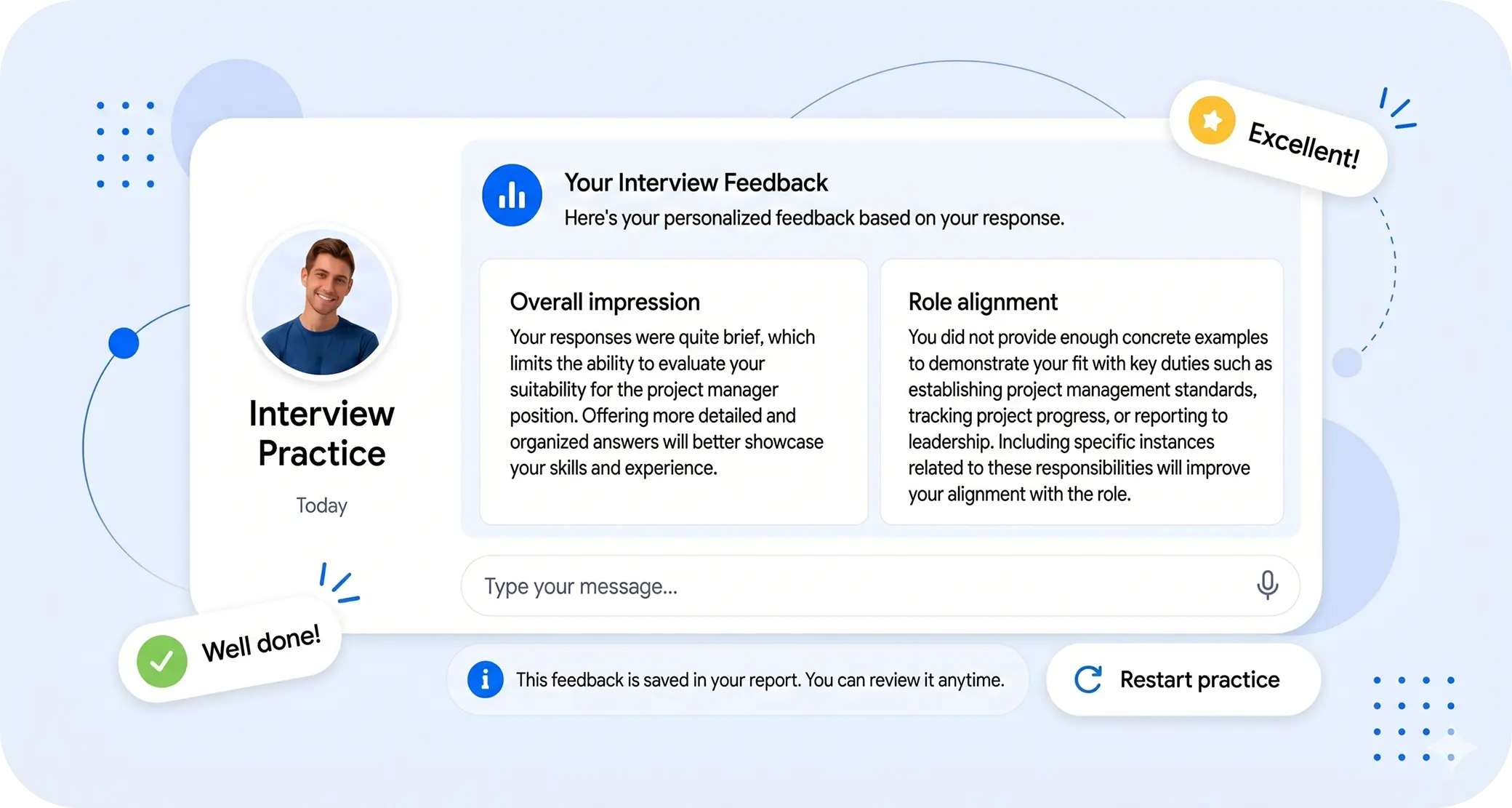
Once you are sure your resume has everything needed to impress a recruiter, use our AI tools like our LinkedIn profile analyzer or AI mock interview to be 100% prepared.
Practice Interviews
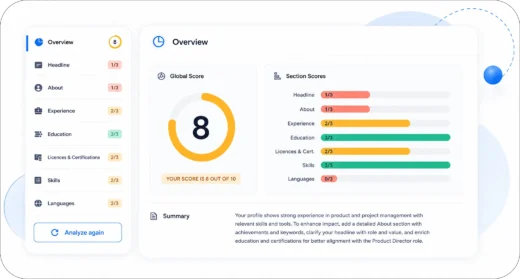
Analyze your LinkedIn
Job Match
How To Write a Resume: Frequently Asked Questions
Still have some doubts about how to write your resume? Here are some of the most-searched questions about writing a resume.
You should proactively address gaps in your employment history. For example, you could use a “Career Break” or “Freelance Projects” label.
State the reason briefly (e.g. caregiver, travel, upskilling). Then highlight what you gained or learned from the experience. This turns gaps into deliberate choice rather than weakness.
Employment gaps don’t have to be a weakness. If you are confident in the decisions that you made and the skills acquired during breaks, it will put the hiring manager at ease!
Yes, especially now. Most employers want to know that you can thrive in both environments. Clearly label roles as “Remote” or “Hybrid” if they were performed offsite.
Add bullet points describing how you collaborated virtually, used digital tools, and met deadlines remotely. It shows adaptability and modern work competence.
Stick to the last 10–15 years (or last 3–4 roles). Older jobs rarely add value unless highly relevant. If earlier roles matter, include them in a brief “Additional Experience” section without full detail. This keeps your resume current and uncluttered.
Absolutely, if your side projects are relevant. Place them under “Projects” or “Relevant Experience.” Describe what you did (roles, impact, tools) and mention the skills you exercised.
A professional summary is a short introduction at the top of your resume that highlights your relevant experience, skills, and achievements. A good resume summary uses two to four sentences to show an employer why you are a strong fit for the role.
If you decide to write an objective for your resume in one or two sentences, name your target role and the skills you can offer.
Unlike a resume summary that highlights your relevant experience and achievements, your objective should emphasize your career goals. While resume summary statements are more commonly used, objectives can work well if you’re an entry-level applicant.