

Looking to change careers? Learn how to highlight transferable skills, reframe your experience, and build a career change resume that helps employers see your potential.
What Makes a Good Career Change Resume?
A career change resume should show employers how your previous experience connects to your new professional path.
You should avoid placing any focus on your past job titles. Instead, you need to write the resume so that it highlights:
- Transferable skills
- Relevant achievements
- Certifications
- Experiences that match the role you want
A strong summary, measurable accomplishments, and carefully selected keywords can help recruiters quickly understand your value, no matter your professional background.
Career Change Resume Example
A strong career change resume focuses less on past job titles and more on transferable skills, measurable achievements, and relevant experience.
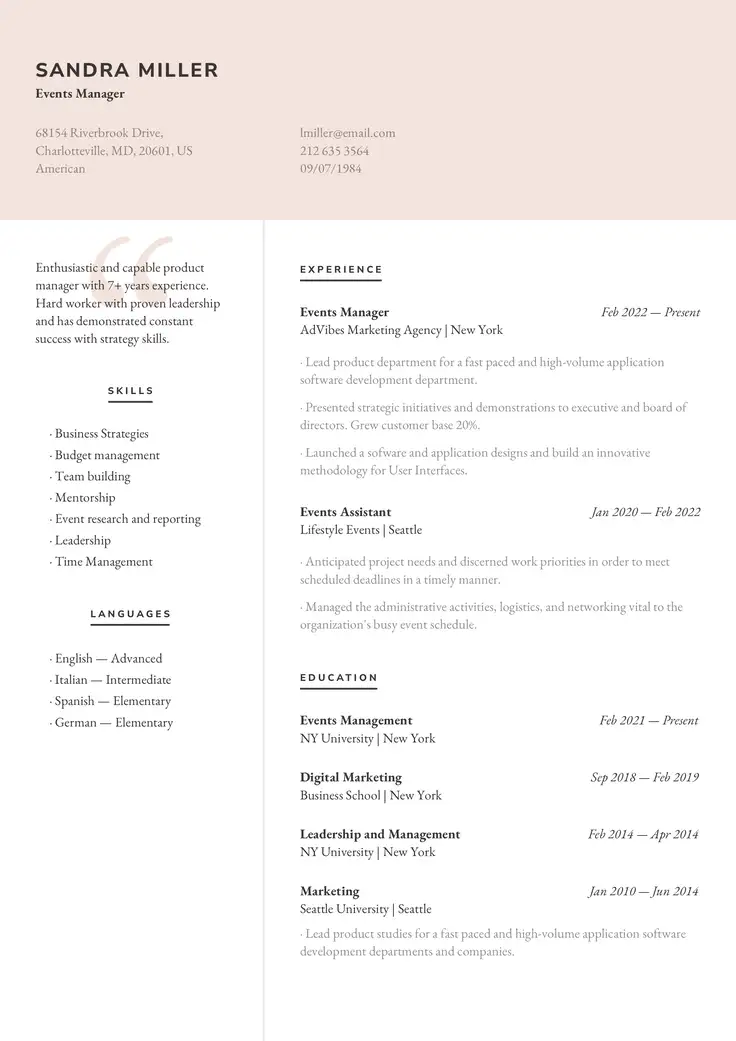
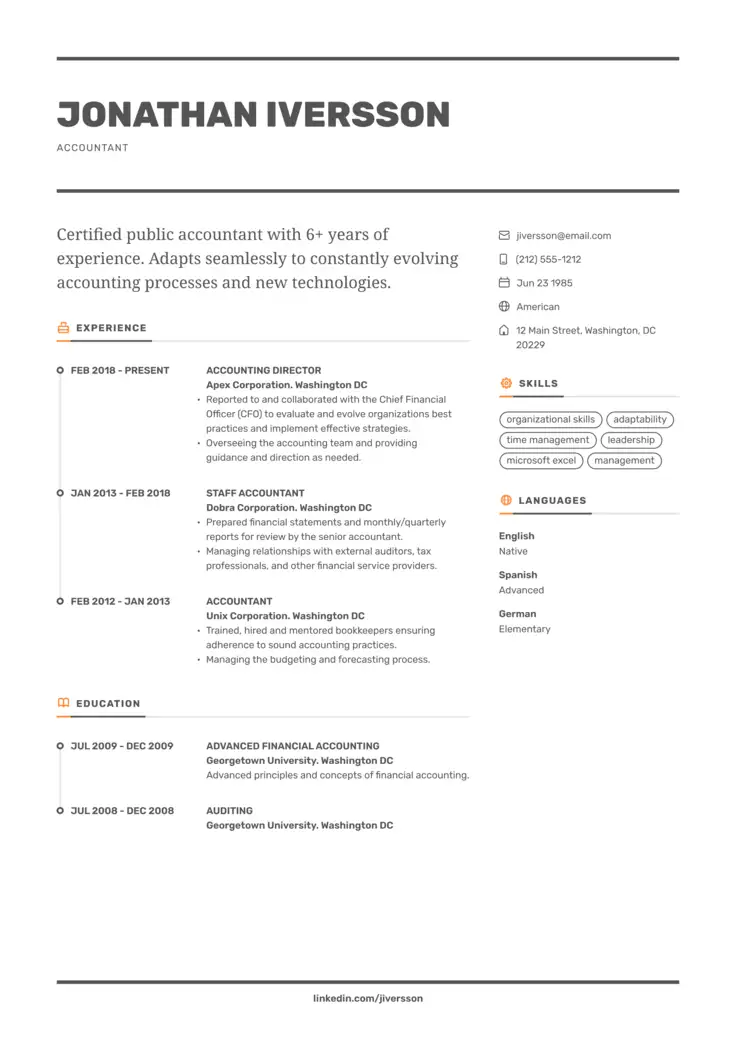
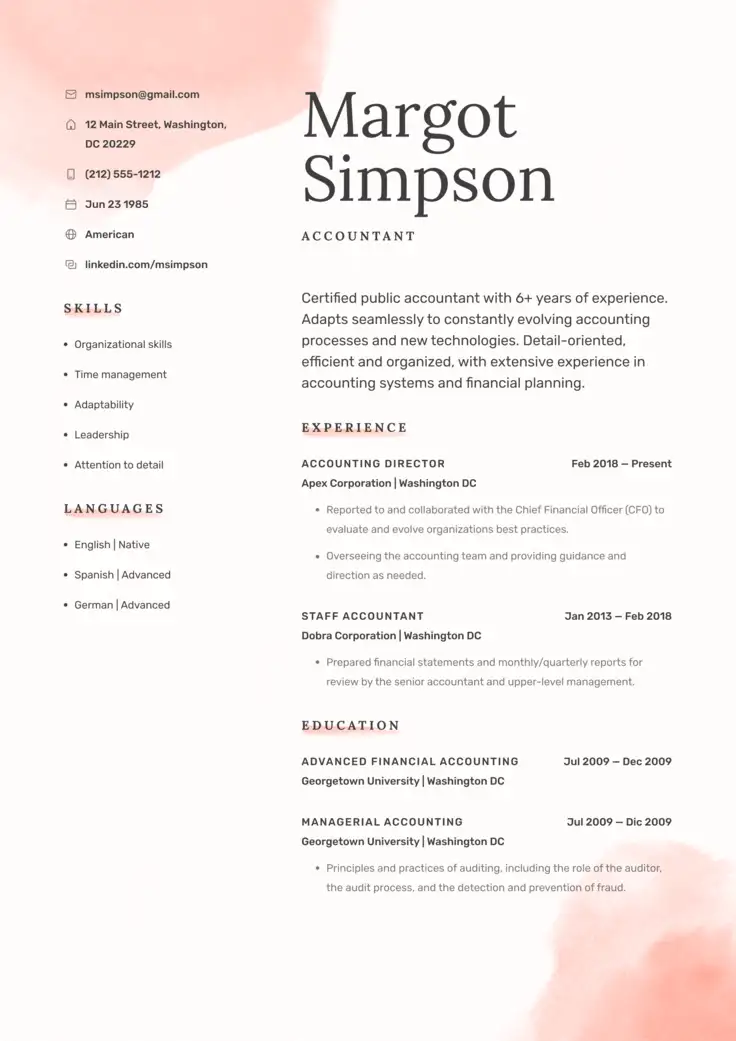
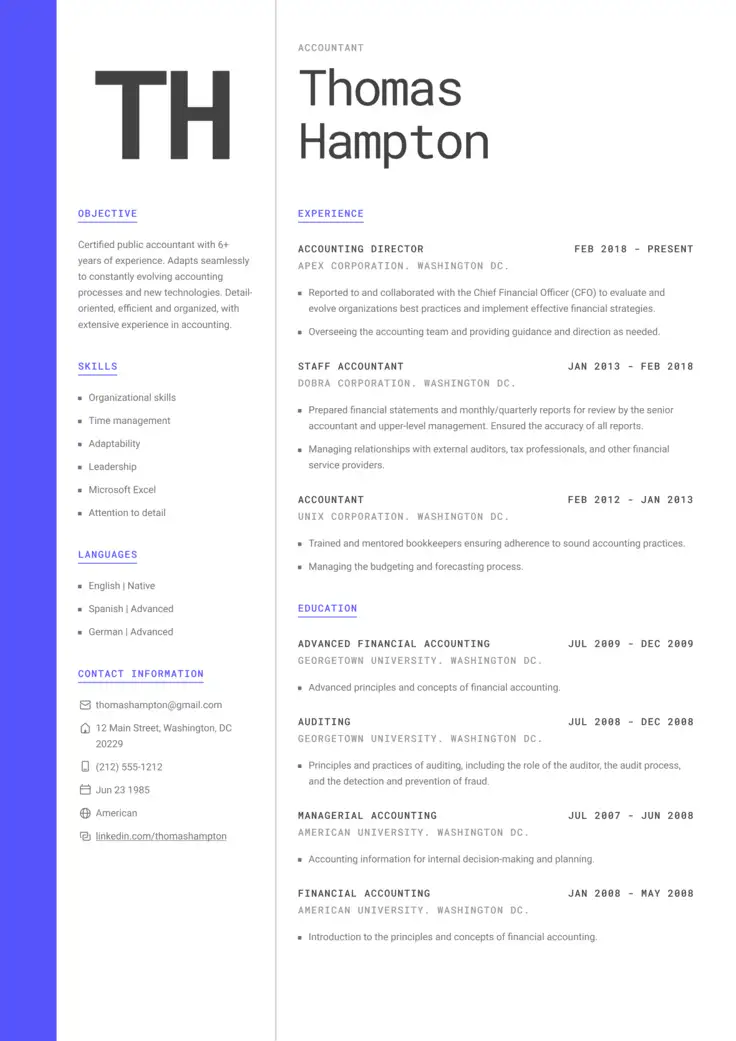
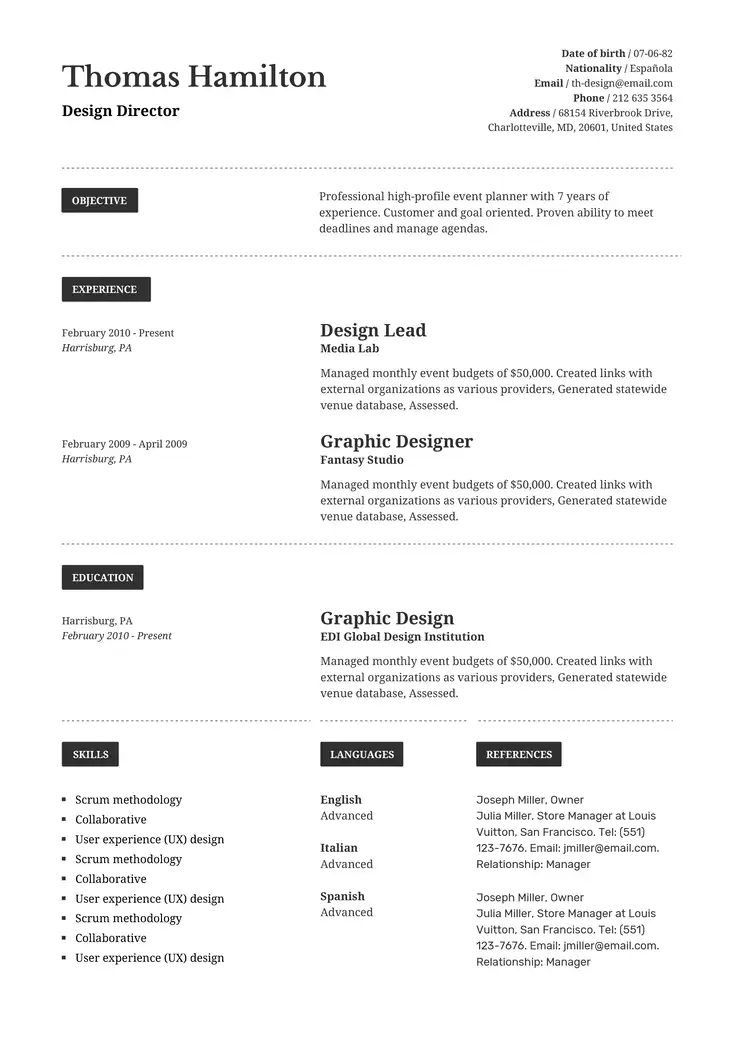
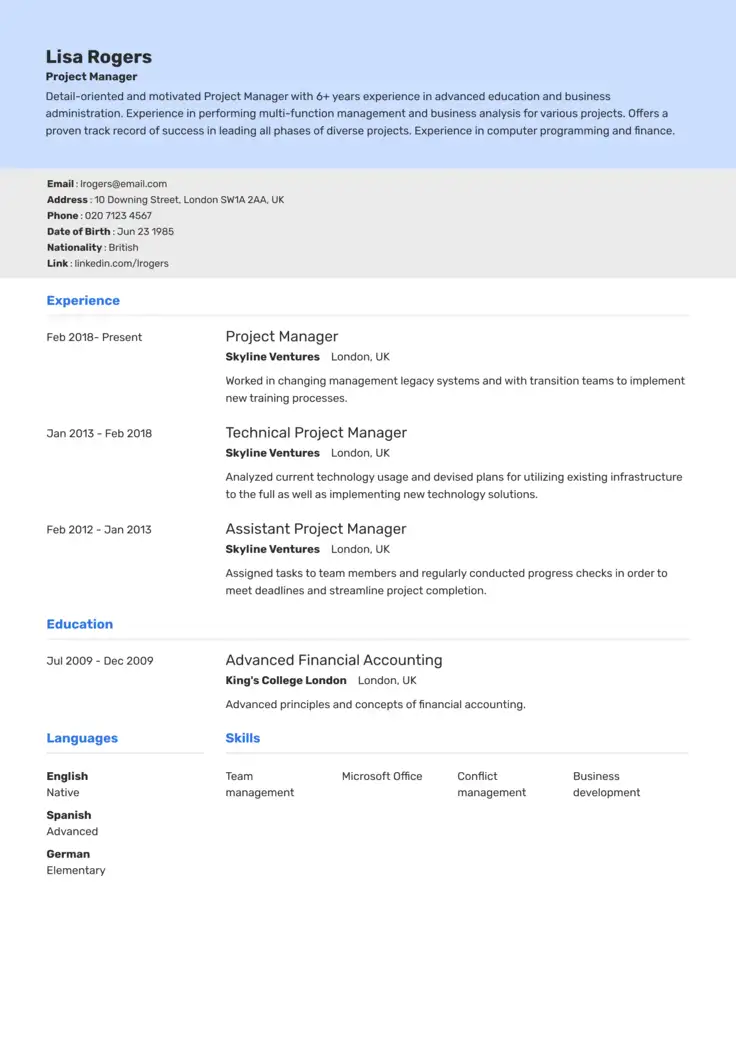
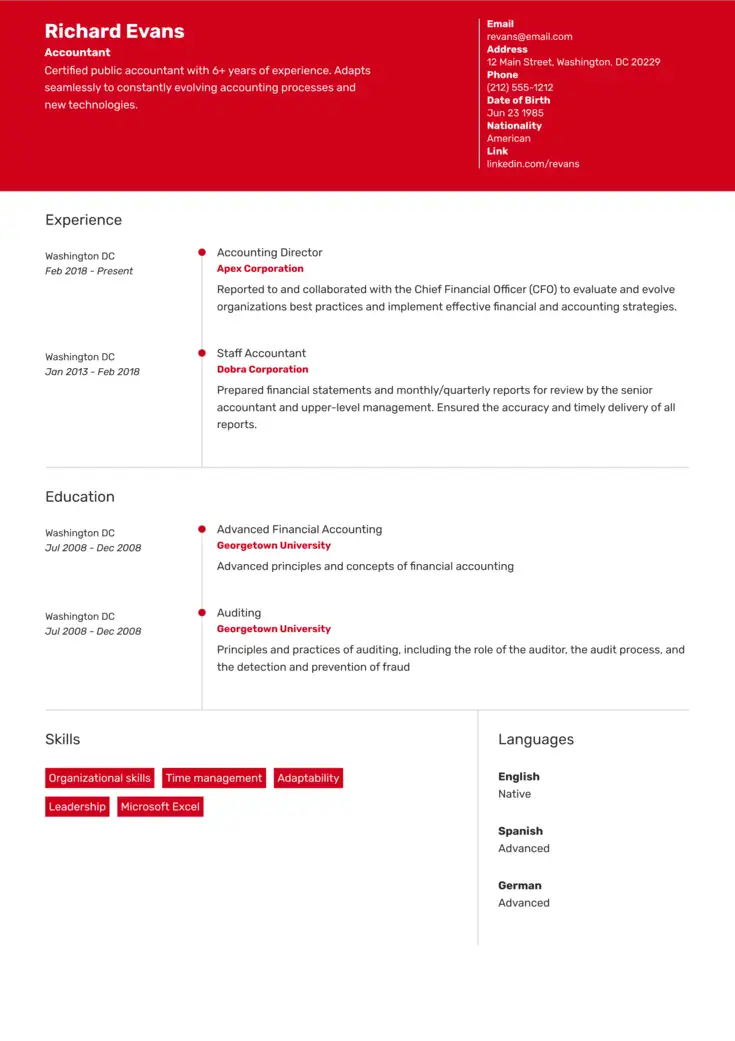
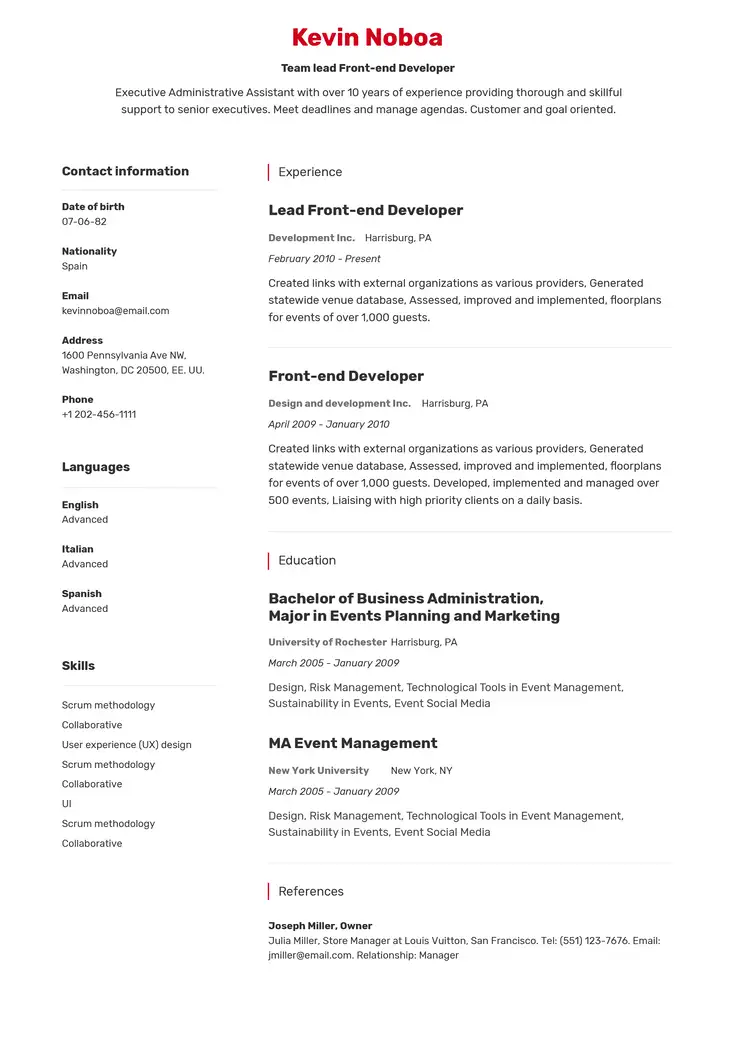
Our customers have been hired by: *






Here’s an example of how to position your background for a successful transition into a new field.
Daniel Carter
4821 West Monroe Avenue, Chicago, IL 60624
(312) 555-0187 • danielcarter@email.com
linkedin.com/in/danielcarter
Professional Summary
Customer-focused retail manager transitioning into project management with 7+ years of experience leading teams, coordinating operations, and improving workflow efficiency. Certified in Google Project Management and experienced in budgeting, scheduling, cross-functional communication, and data reporting. Recognized for reducing operational delays by 22% and leading teams of up to 25 employees in fast-paced environments.
Key Skills
- Project coordination
- Team leadership
- Budget management
- Process improvement
- Scheduling and planning
- Stakeholder communication
- Microsoft Excel
- Asana and Trello
- Inventory management
- Problem-solving
Relevant Experience
Store Operations Manager
NorthPoint Home Goods — Chicago, IL
March 2019 – Present
- Managed daily operations for a retail location generating over $3.2M in annual revenue
- Coordinated schedules, inventory planning, and workflow processes for a 25-person team
- Introduced a new task tracking system that reduced fulfillment delays by 22%
- Led weekly planning meetings to improve communication between sales, logistics, and customer service teams
- Monitored budgets and operational reports to identify cost-saving opportunities and improve efficiency
- Trained and onboarded new employees, reducing average training time by 18%
Assistant Store Manager
BrightMart Retail Group — Oak Park, IL
June 2015 – February 2019
- Supervised day-to-day team operations and supported company-wide organizational initiatives
- Assisted with scheduling, reporting, and vendor coordination across multiple departments
- Helped implement a revised inventory process that improved stock accuracy by 15%
- Supported customer issue resolution and maintained high customer satisfaction scores
Education
Bachelor of Science in Business Administration
University of Illinois Chicago — Chicago, IL
Graduated: 2015
Certifications
- Google Project Management Certificate — Coursera, 2024
- Certified Associate in Project Management (CAPM) — In Progress
Additional Experience
Volunteer Event Coordinator
Chicago Community Outreach Program — Chicago, IL
2023 – Present
- Planned and coordinated fundraising events with groups of 50+ attendees
- Managed volunteer schedules, timelines, and event logistics
- Collaborated with local businesses and sponsors to support community initiatives
Why This Resume Works
- Focuses on transferable skills like leadership, coordination, budgeting, and communication instead of only retail experience.
- Uses measurable achievements and relevant tools to show value that applies to the new career path.
- Includes certifications, volunteer experience, and a targeted summary to demonstrate commitment to the career transition.
How To Write a Resume for a Career Change
In the following sections, you’ll learn how to choose the right format, highlight transferable skills, tailor your experience, and position yourself as a strong candidate for a new industry.
Choose the best resume format for a career change
For most career changers, a combination resume format works best because it balances transferable skills with professional experience.
Unlike a traditional chronological resume, this format allows you to place relevant strengths and certifications near the top. This allows potential employers to quickly see your potential in a new field.
Write a strong resume summary or objective
Your resume summary is one of the first things recruiters read. It’s especially important during a career change, as it allows you to explain why you would be a good fit for the role, despite a lack of experience in the same field.
You can use your summary to:
- Connect your previous experience to your target role
- Highlight transferable skills
- Include relevant achievements and qualifications
Detail-oriented customer service professional transitioning into human resources with 6+ years of experience in communication, conflict resolution, and team coordination. Recently completed an HR Management certification and recognized for improving employee satisfaction scores by 18% in a fast-paced retail environment.
Need help writing yours? Use our AI Resume Summary Generator to create a tailored career change summary in seconds.
Highlight transferable and job-specific skills
Transferable skills help employers understand how your previous experience applies to a new role.
You should place a strong focus on abilities that are valuable across industries. The table below explains some of the msot important skills that you can include, no matter what role you’re applying for:
| Transferable Skill | How It Applies to a New Career |
|---|---|
| Communication | Helps you collaborate with teams, explain ideas clearly, and build professional relationships. |
| Leadership | Shows you can manage responsibilities, guide others, and take initiative. |
| Problem-solving | Demonstrates your ability to identify challenges and find effective solutions. |
| Project management | Useful for organizing tasks, managing deadlines, and coordinating workflows. |
| Time management | Proves you can prioritize work and stay productive in fast-paced environments. |
| Customer service | Highlights relationship-building, conflict resolution, and client support skills. |
| Data analysis | Shows you can interpret information, track performance, and make informed decisions. |
| Adaptability | Indicates you can learn quickly and adjust to new tools, teams, or industries. |
Want help identifying the right skills for your new career path? Use our AI Skills Generator to instantly create a list of relevant resume skills for your target role.
Reframe your work experience for your new career
Before adding past roles to your resume, look at each bullet and ask: “Would this matter in the job I want next?“
If the answer is yes, rewrite it using the language of your target role. The examples below show how everyday responsibilities can become stronger, more relevant career-change resume bullets.
| Before | Reframed for a career change resume |
|---|---|
| “Managed daily retail operations and supervised staff.” | “Led a 15-person team, coordinated schedules, and improved operational efficiency in a fast-paced environment.” |
| “Handled customer complaints and processed returns.” | “Resolved complex customer issues and maintained high client satisfaction through effective communication and problem-solving.” |
| “Created weekly sales reports.” | “Analyzed performance data and generated reports to support business decisions and improve sales strategies.” |
| “Trained new employees.” | “Developed onboarding and training processes that improved team productivity and reduced training time.” |
Include relevant education, certifications, and training
Employers want to see that you’re actively preparing for your new career path.
Include any certifications, online courses, workshops, or training programs related to your target role. You should also include any courses that you’re currently enrolled in.
If your degree is unrelated, focus on the parts of your education that support the skills needed for the job.
Add projects, volunteer work, or freelance experience
You do not need formal job experience to prove your skills. You can show that you would be suited to your new field through:
- Personal projects
- Freelance work
- Internships
- Volunteer experience
Tailor your resume to each career change opportunity
You should not be sending the same resume to every employer.
Review each job description carefully and adjust your summary, skills, and experience to match the role.
Using the right keywords found in the job posting and focusing on the most relevant achievements for each role can help your resume stand out and pass ATS screenings.
Build Your Career Change Resume With Confidence
Build your career change resume faster with our AI Resume Builder. It helps you:
- Turn your current experience into stronger, role-focused bullet points
- Generate a tailored resume summary for your new career path
- Add relevant skills that match your target job
- Choose the perfect resume template, ready to customize
Frequently Asked Questions About Career Change Resumes
Explain a career change by focusing on transferable skills and relevant achievements instead of your previous industry.
Use your resume summary, skills section, and experience bullets to connect your background to the role you want. Certifications, projects, and volunteer work can also help show commitment to your new career path.
You should explain your career change positively and confidently in your cover letter. Briefly mention:
- Why you’re seeking a career change
- What attracts you to the new field
- How your previous experience adds value
Keep the focus on the skills and strengths you bring to the role rather than why you want to leave your old career.
When making a resume for a career change, you should always avoid:
- Using a generic resume format
- Focusing too heavily on unrelated experience
- Listing skills without proof
It’s also important that you avoid sending the same resume to every employer. Tailor your content to the job description and highlight the qualifications, achievements, and experience that best match your target role.
A career change statement briefly explains your transition while highlighting relevant skills and goals. It should show employers how your previous experience connects to the role you want next.
Here’s a quick example: “Marketing professional transitioning into UX design with experience in customer research, data analysis, and digital strategy. Recently completed UX certification training and passionate about creating user-focused digital experiences.“
Related Posts