


The courtesy of giving two weeks’ notice before leaving a job is ingrained in our culture. But you may wonder:
- Why should I give two weeks’ notice?
- What should I say?
- How can a proper resignation affect my career?
Below, we’ll address these questions along with specific steps and examples to make your career transition happen smoothly.
💡Tip
If you’ve recently quit your job or you’re thinking about quitting, our AI resume builder can help you write your resume to apply for a new job.
Why Should You Give a Two-Week Notice?
If you’re excited about a new job prospect or dismayed by unsatisfactory conditions, you may dream of walking away from your job today. You wouldn’t be alone. A survey conducted by The Harris Poll found that only 55% of adults gave their former employers two weeks’ notice.
But giving two weeks’ notice is more than just good manners. It provides your employer and fellow employees time to compensate for your absence by reallocating resources or finding a replacement.
It also protects your reputation by maintaining good relations with your former employer. In this way, they’re more likely to be a positive reference on your behalf.
How To Put in Your Two Weeks in the Proper Way
The maxim, “It’s not what you say but how you say it,” can be applied to declaring your intention to leave a job. Whether in person or in written form, the following tips can help you balance being respectful, helpful, and firm.
Choose the right timing
If verbally communicating your resignation or handing in a letter, choose a calm moment when your manager is available and not overwhelmed with problems or responsibilities. This will help create the right environment for a professional and respectful discussion.
Tell your manager first
You should inform your direct manager before mentioning your resignation to anyone else, including your coworkers or friends on social media. It does not reflect well on your professionalism if they hear it from another source.
Next, follow the company procedures to inform human resources (HR) and any other interested parties.
Be clear and direct
Your resignation is not a time for dropping hints. You should state your intentions clearly and briefly. Avoid making unnecessary explanations as to why you are resigning. Don’t make complaints and keep the conversation professional.
Before exiting the conversation, confirm your final working day with your manager. This ensures that everyone involved has the same expectations.
Stay professional and positive
Even if you feel nervous or upset, monitor your tone of voice to make sure it sounds respectful. Thank your employer for the opportunity. Avoid making negative comments about the company, your coworkers, the management, or your salary.
This will help maintain good relationships in case you need to provide references when you apply for another job.
Offer to help with the transition
Your work isn’t over just because you’ve put in your resignation. Work hard through your last day. You can help the transition take place smoothly by offering to document your taste, train your replacement, or complete pending work.
How To Write a Two-Week Notice Letter
You may find it easier to announce your resignation in written form, or company policy may compel you to provide a written resignation letter. Follow the steps below to create a letter that is polished and professional.
1. State your resignation
Begin your letter by clearly stating that you are resigning from your position. Mention your role or job title by name. There’s no need to mention your reasons or future job prospects here.
2. Include your final working day
Clearly state the exact date of your final working day to avoid any confusion. Don’t rely on vague terms like “in two weeks” or “on the second Tuesday.”
Remember, “two weeks’ notice” means that your final day is at least 14 calendar days (10 business days) from your date of resignation.
3. Express your gratitude
Thank your employer for the opportunities, support, and experience you’ve gained during your time with the company. Even if you are leaving because you are unhappy with the job, you should find something you can be thankful for. Even “thank you for the opportunity” will suffice.
4. Mention the next steps
Briefly explain how you will support the transition during your notice period. You might do so by completing projects already in progress, making a list of your responsibilities, or training someone how to do your job.
There’s no need to mention your next steps, that is, details about future jobs.
5. Close professionally
Conclude your letter with a polite closing salutation, such as “Sincerely,” or “With thanks.” Include your name and signature. If you must submit your letter by email, just type your name—there’s no need to insert a fancy cursive font to imitate a signature.
Two Weeks Notice Examples
If you can’t get the words of resignation to flow, the following templates can help. Fill in the blanks with your pertinent information to create a professional letter of resignation in no time.
Two weeks’ notice letter sample
The brevity of this letter makes it both professional and adaptable to different situations. It doesn’t contain any fluff—just the essential details to maintain good relationships.
[Date of resignation]
[Manager’s name]
[Company name]
[Company address]
Dear [manager’s name],
Please accept this letter as formal notice of my resignation from my position as [job title] at [company name]. My last day of work will be [date].
I appreciate the opportunity to have been part of the company, and I’m grateful for the experience I’ve gained during my time here. Please let me know how I can help make the transition as smooth as possible.
Sincerely,
[Your name]
Two weeks’ notice email template
Resignation by email can document a verbal resignation and is often the standard option for remote workers. Email may also be the safest or most practical choice when workplace conditions are hostile or a face-to-face meeting is not advisable.
Subject: Resignation of [your name] from [job title]
Dear [manager’s name],
Please accept this email as formal notice of my resignation from my position as [job title] at [company name]. My final day of work will be [date].
Thank you for the opportunities and support I have received during my time with the company. During my remaining time, I would be happy to help with the transition, including documenting my responsibilities or assisting with training, to ensure a smooth handoff.
Sincerely,
[Your name]
Two weeks’ notice example for leaving a senior position
The decision to vacate a senior position can have lasting repercussions for both you and the company.
Since you have a leadership role, you may be expected to supply more information or assistance than in the resignations discussed above. Senior resignation letters are often more formal in format and wording.
[Your name]
[Your address/contact information]
[Date of resignation]
Dear [recipient name(s)],
Please accept this letter as a formal tender of my resignation from [position title] at [company name], effective two weeks from today’s date on [date of final day of work]. I have enjoyed my time at [company name], and this was not an easy decision to make. I appreciate all the opportunities and support I’ve been offered during my time here.
However, it is time for me to move on to other things, allowing the capable hands of [team or department name] to carry on. I wish to do all I can during the next two weeks to onboard my replacement and ensure a seamless transition.
I wish all of my colleagues well and hope we can collaborate again in the future.
Best wishes,
[Your name]
What To Do and Not To Do When Giving Two Weeks’ Notice
Whether you’re feeling anticipation, sadness, anger, or relief, it is important to consider the do’s and don’ts of giving two weeks’ notice. By avoiding common mistakes, you can maintain your professional network and evade the figurative burning of your bridges.
What to do
- Provide at least two weeks’ notice in writing (up to six months for high-level positions).
- Be kind and respectful, and express gratitude.
- Offer to help with the transition or train a replacement
- Continue to work hard and fulfill all your duties through your last day.
- Prepare for an immediate exit. You may be asked to leave the same day.
What to avoid
- Don’t burn your bridges to keep relationships intact.
- Don’t over-explain. You’re not obligated to give your reasons.
- Don’t complain. Avoid voicing your dissatisfaction or badmouthing others.
- Don’t resign without talking to your manager first, then use electronic communication to keep a record.
- Don’t leave without completing key tasks or ensuring someone else is equipped to do so.
Additional Post-Resignation Tips
Your journey isn’t over with the final day of those two weeks. You’ll be starting something new or looking for something to begin.
- Handle emotional responses: Consider seeking support from a career counselor or mentor. Don’t “vent” on social media.
- Manage the job gap: Use the time productively to rest, pursue a personal project, or enhance your skills.
- Keep in touch: Nurture relationships with former colleagues and supervisors. LinkedIn is a good avenue for doing so.
- Reflect on your experience: What you have learned and how you can apply these lessons to your new role.
- Stay positive: Embrace the new opportunities and be proactive by documenting past achievements and pursuing continuous learning.
You can both reflect and channel optimism by updating your resume and applying for new opportunities. ResumeCoach’s resume builder and AI cover letter generator can take the hassle out of this essential task.
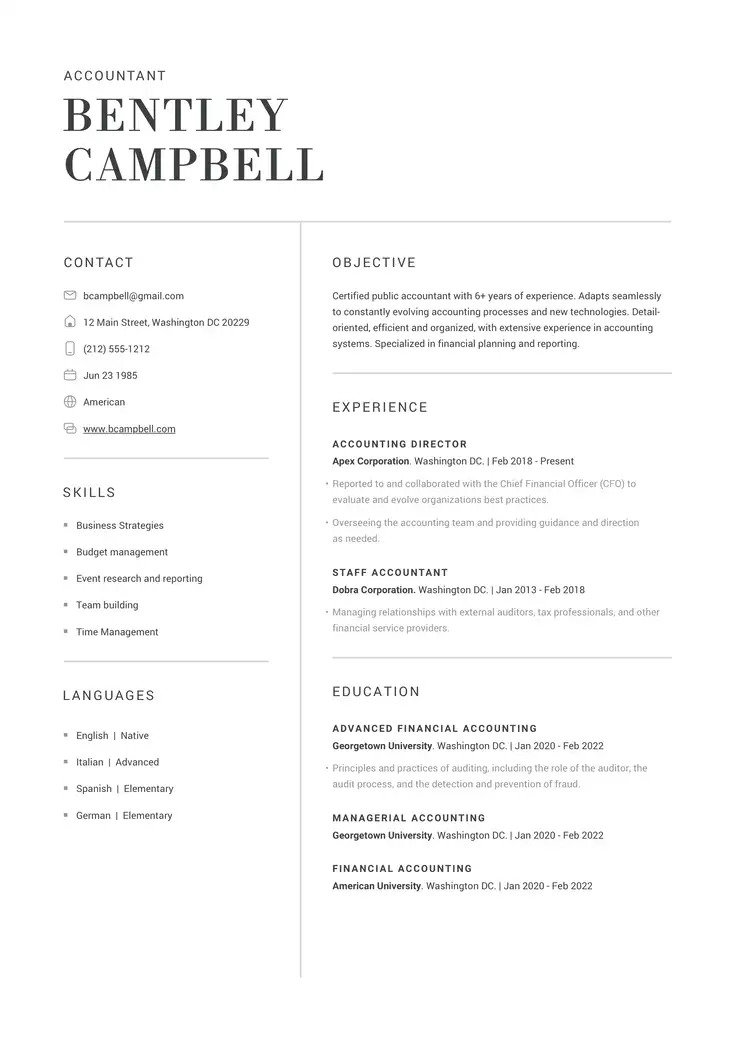
Struggling with Resume Writing?
Ease the process with our templates
FAQs
In the United States, employment is considered “at-will,” meaning you can terminate your employment at any time, for any reason, and without notice. Thus, you are not required by law to give two weeks’ notice.
However, some employment contracts or company policies stipulate a minimum notice. Violating these could result in contract disputes, forfeiture of vacation pay, or make you ineligible for rehire.
You should approach your manager when they are calm and not distracted. You must remain calm, too, controlling your body language, words, and tone of voice.
It may be helpful to practice what you will say ahead of time. Remember to be clear and brief. Verify your last day and avoid over-explaining your reasons for leaving.
Your resignation should include a clear statement of your intentions and the last day you will be working. You should also express gratitude to your manager.
You might say something like this: “I’d like to officially resign from my position. Please consider this my two weeks’ notice. I really appreciate all the opportunities I’ve had while working here. Between now and [date of your last day], I’d like to do everything I can to make this a smooth transition.”
Yes, an employer can deny your two-week notice and opt to terminate your employment immediately.
Because most employment in the United States is considered “at-will,” they don’t have to honor the notice period. They can consider the termination involuntary unless you have a contract that states otherwise.
No, a two-week notice does not have to be exactly two weeks for at-will employment. Two weeks is a “traditional” courtesy, and giving less notice might strain relations.
In some circumstances, a contract may require a longer notice. Leaders such as CEOs may announce their resignation months in advance to train a replacement.
There are also circumstances where you shouldn’t continue working, for example, if you are not getting paid, the work environment is unsafe, or you are suffering harassment.
Most experts recommend tendering your resignation on a Monday or Tuesday near the end of the workday. This allows for approximately two standard work weeks, Monday through Friday, to take place during the transition period.
Related Blog