

One-Page Resume With Our Templates
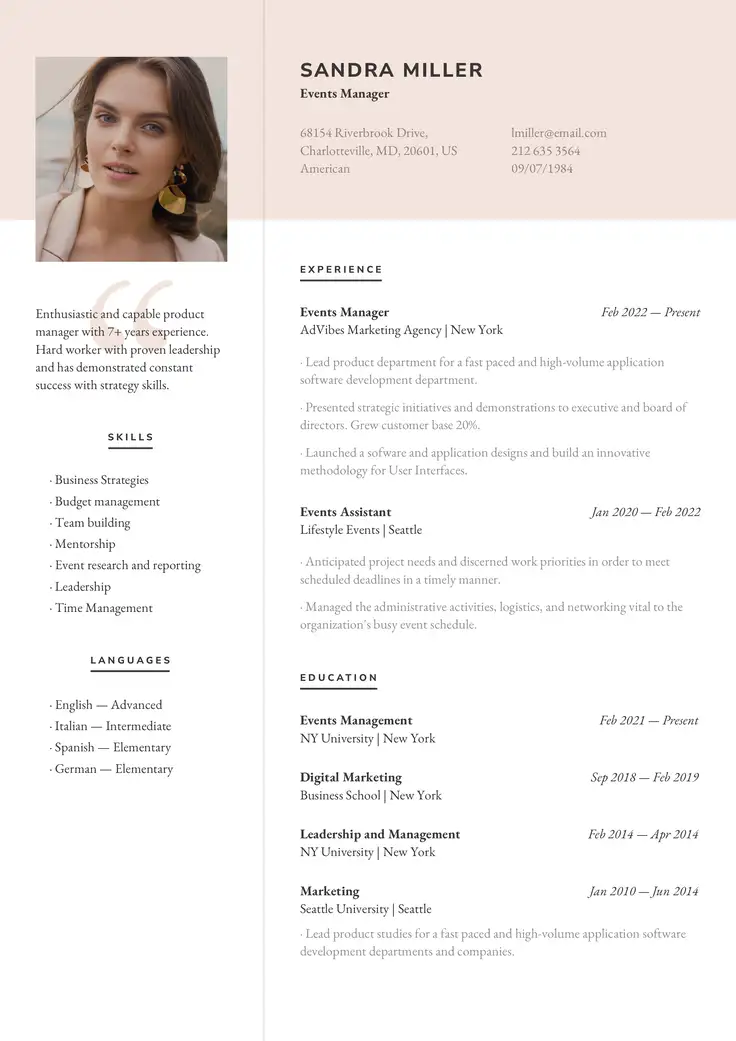
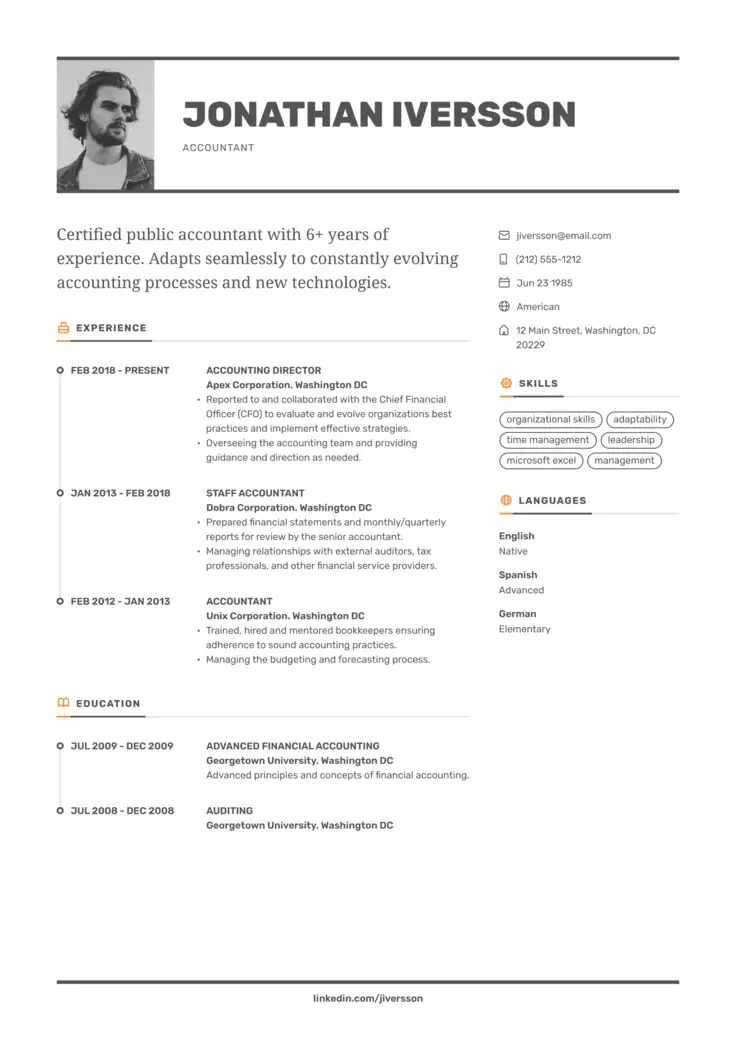
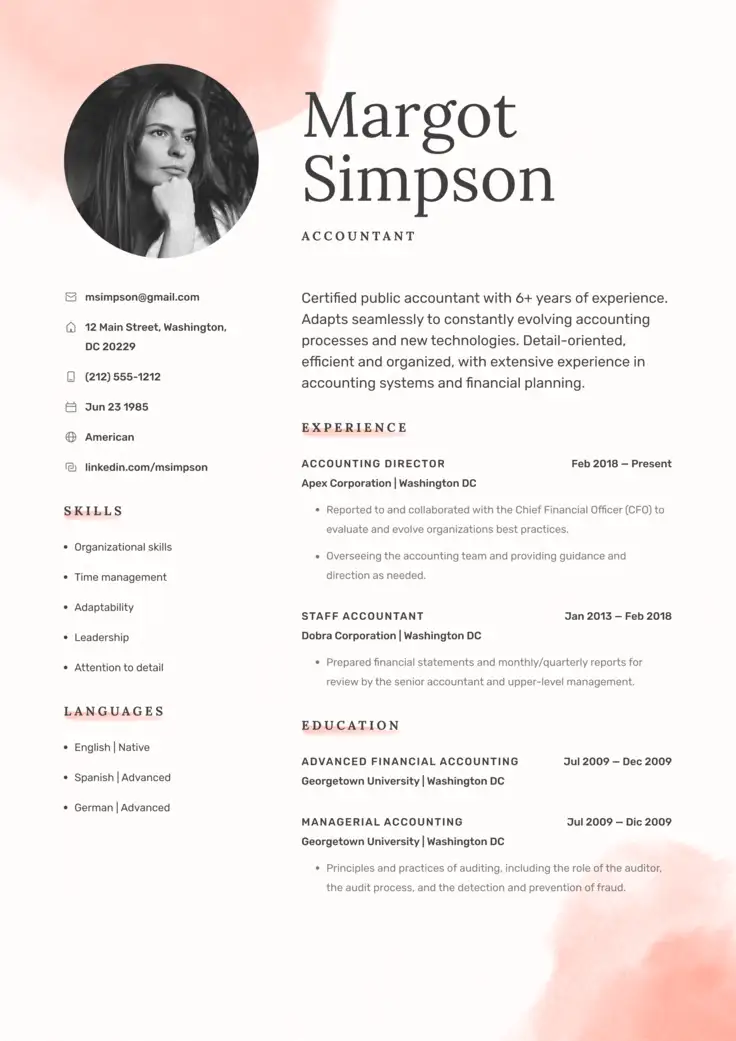
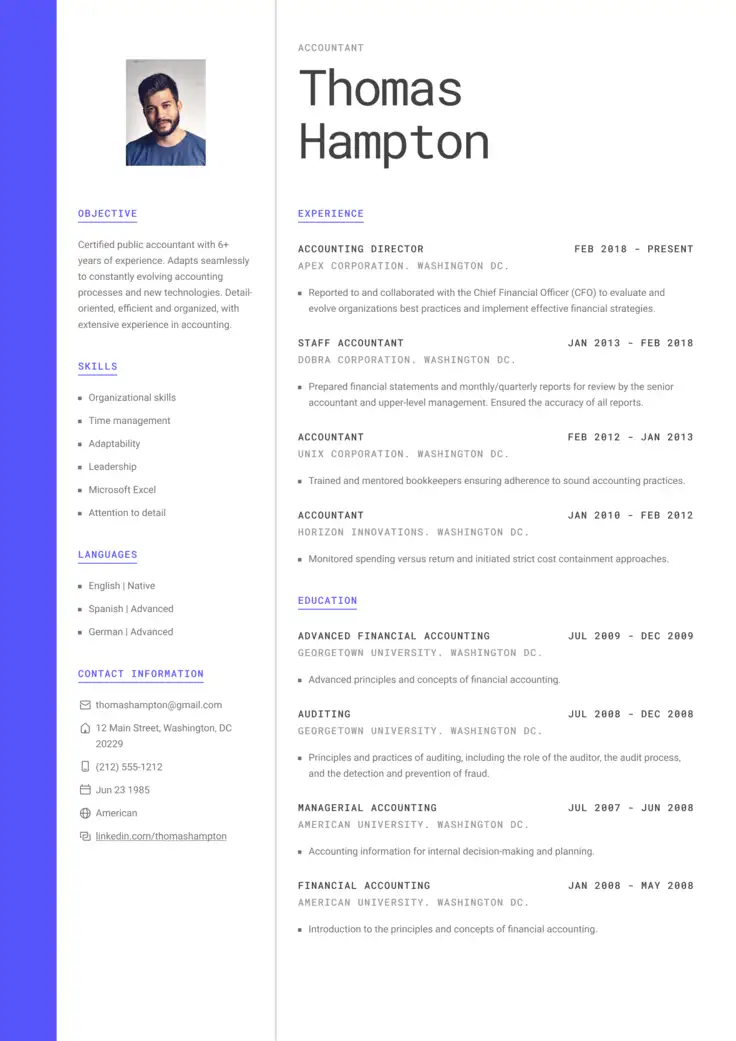
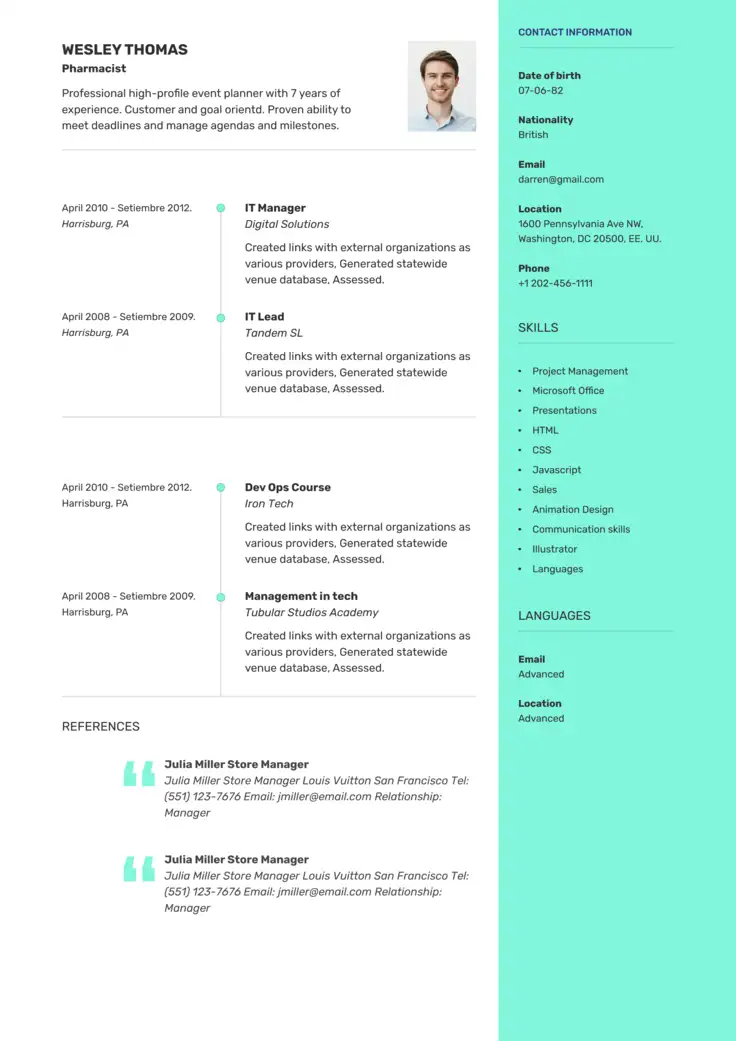
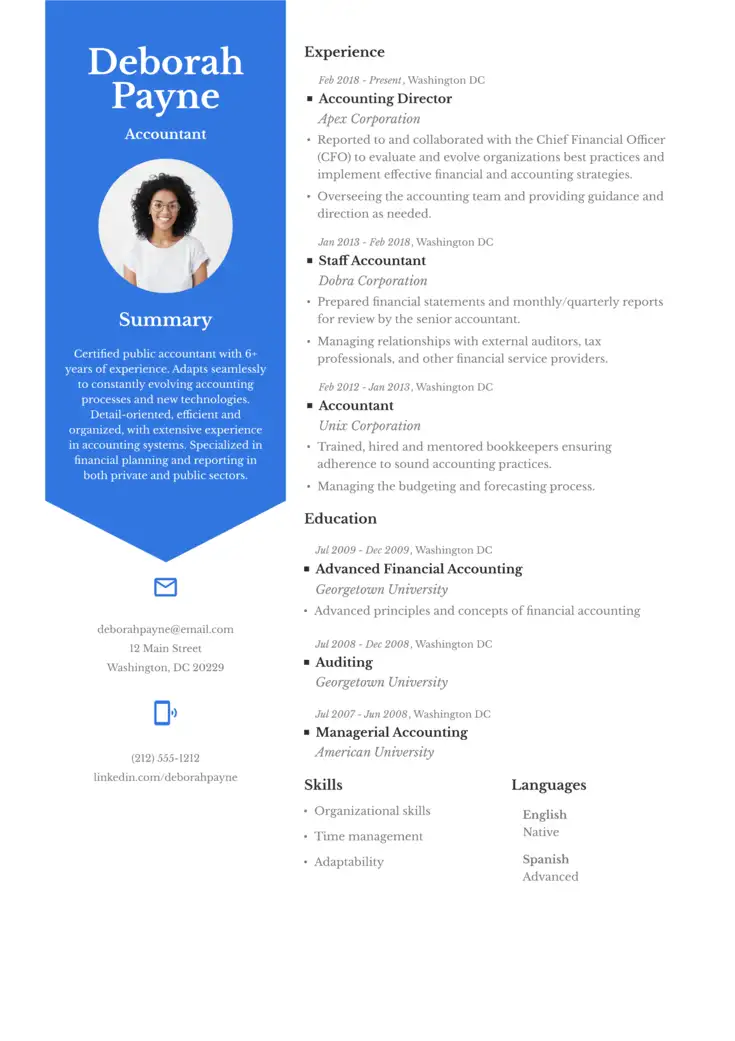
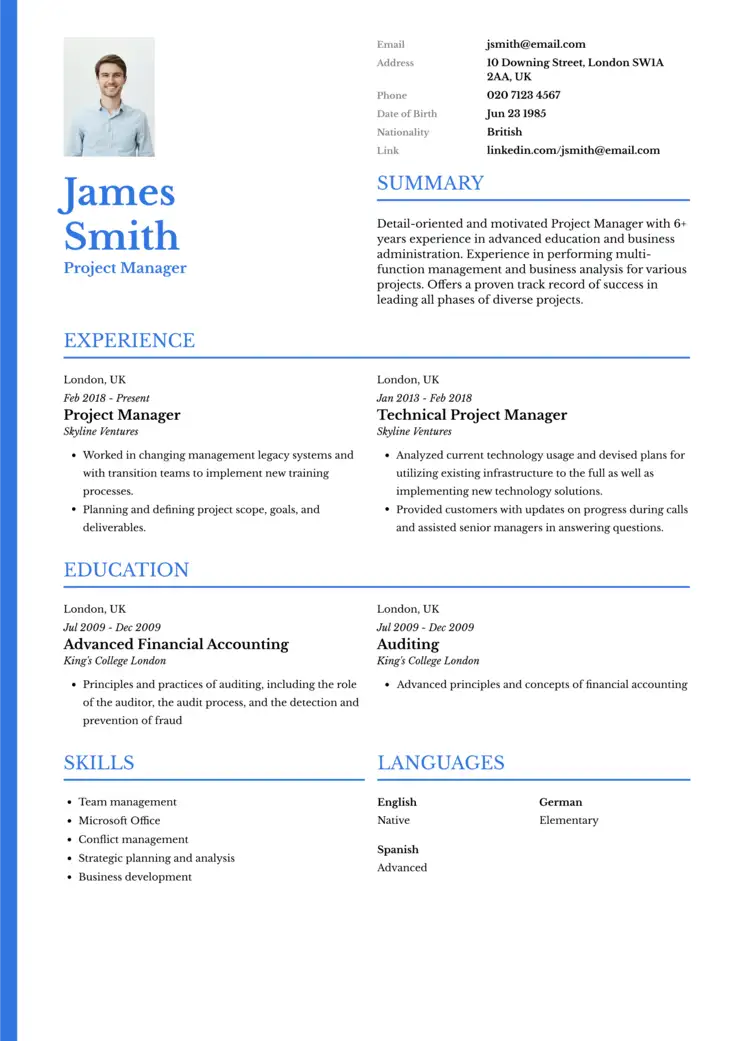
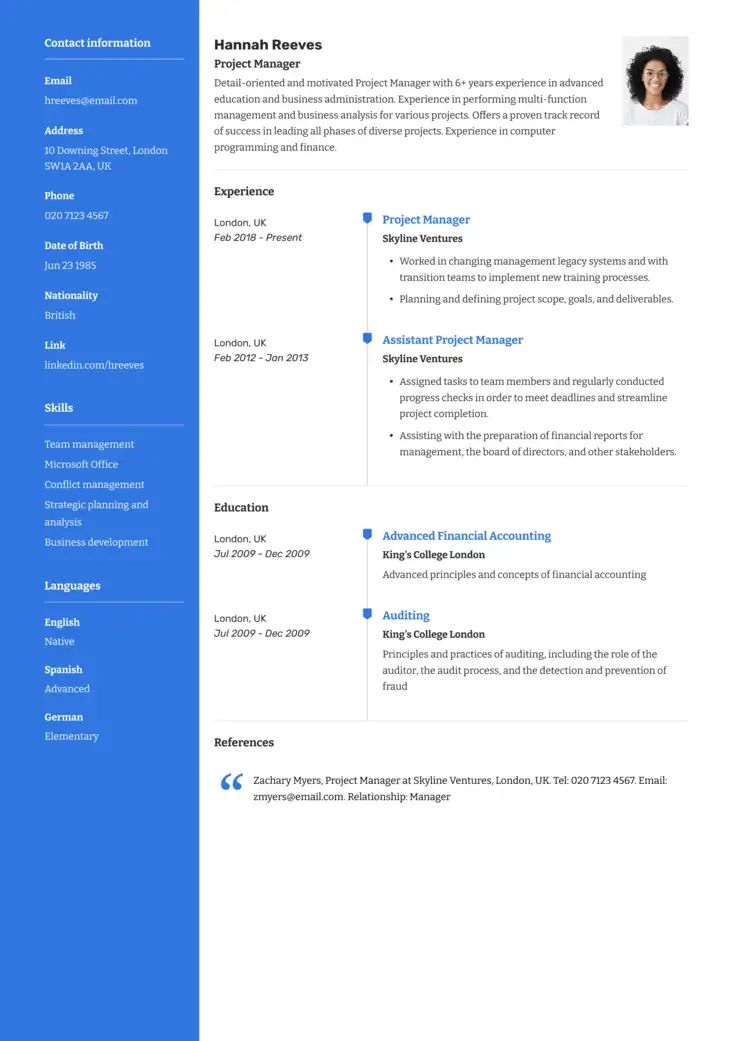
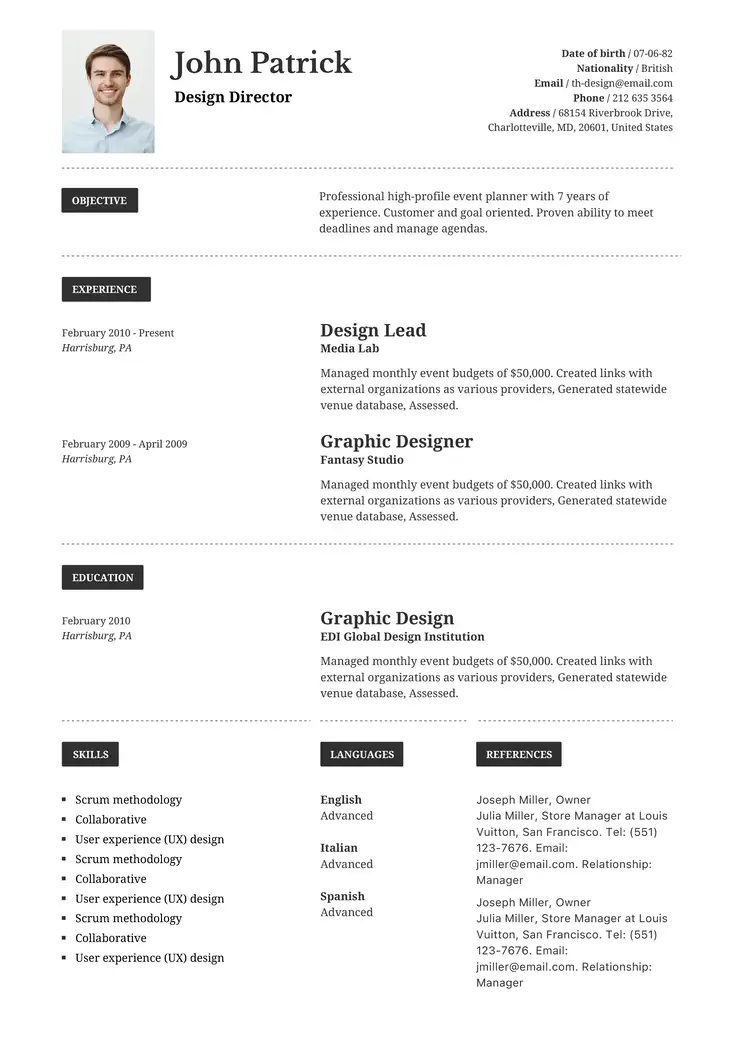
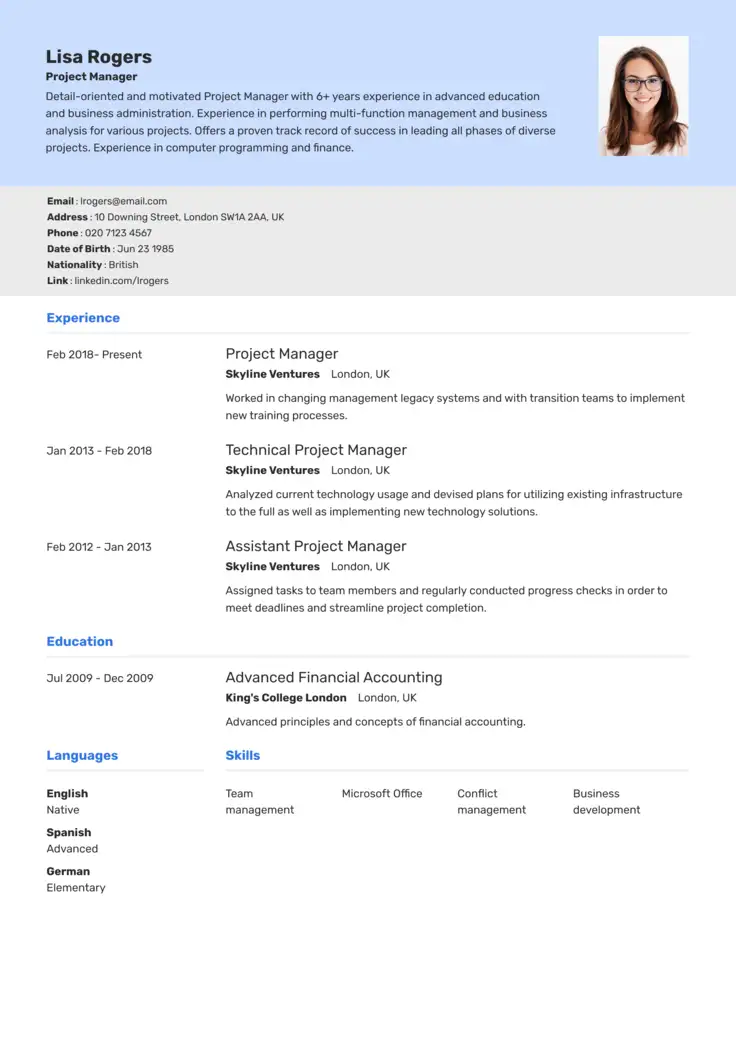
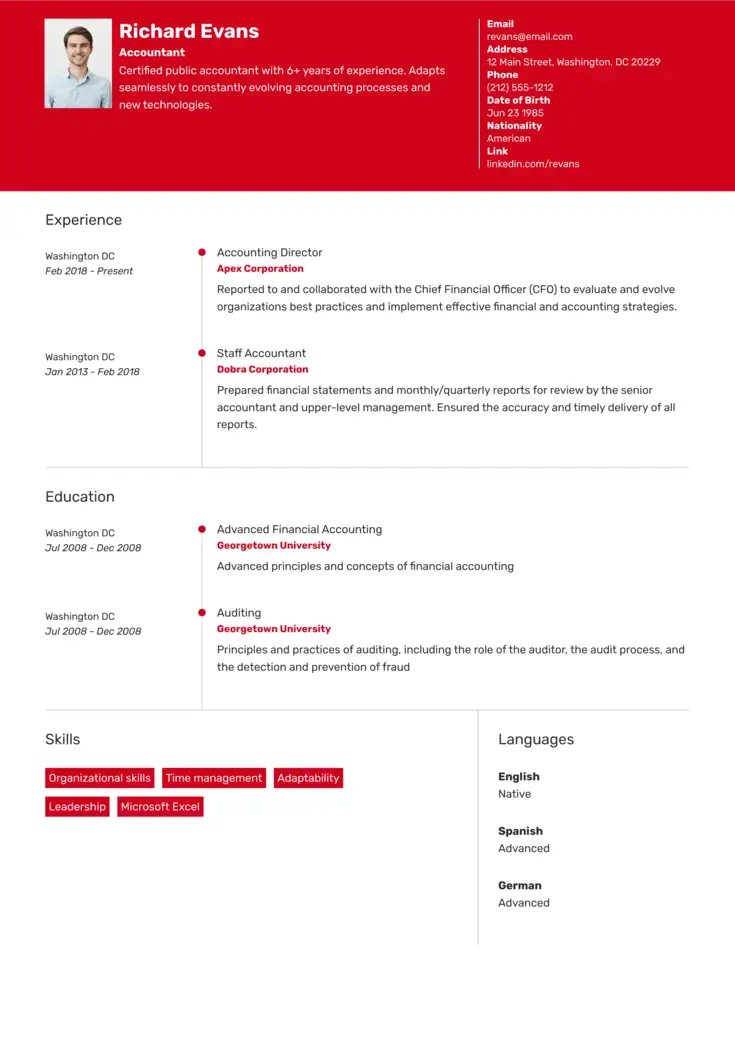
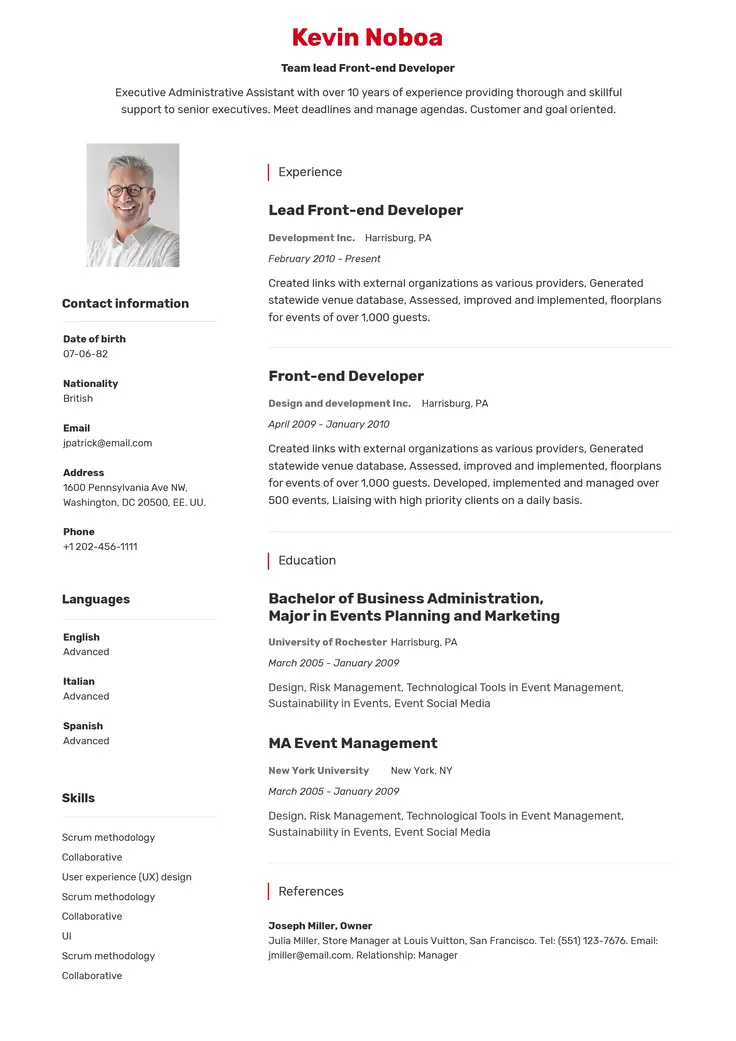
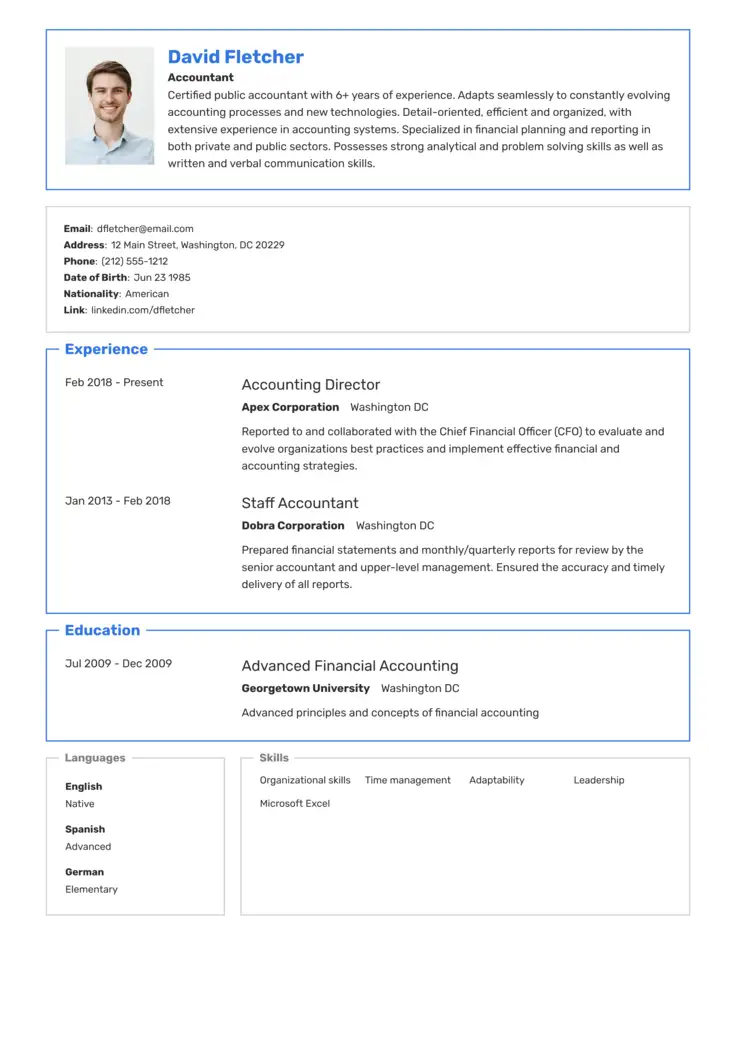
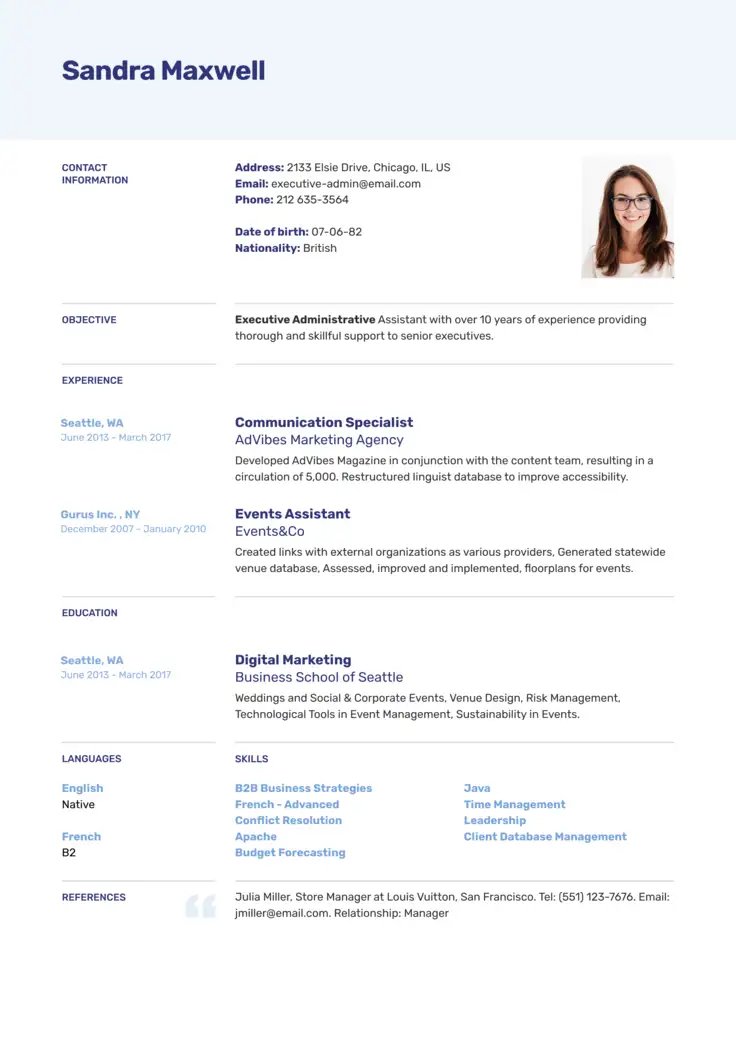
It’s the age-old question, “Should a resume be one page?“
If you have a lot of experience, qualifications, education, or skills, you may struggle to answer that.
However, the answer is that keeping your resume concise and organized can 100% help your qualifications get noticed faster by hiring managers and recruiters, which is why we’ll go over:
- How to fit a resume on one page
- What to include and leave out
- How to keep your qualifications brief yet effective
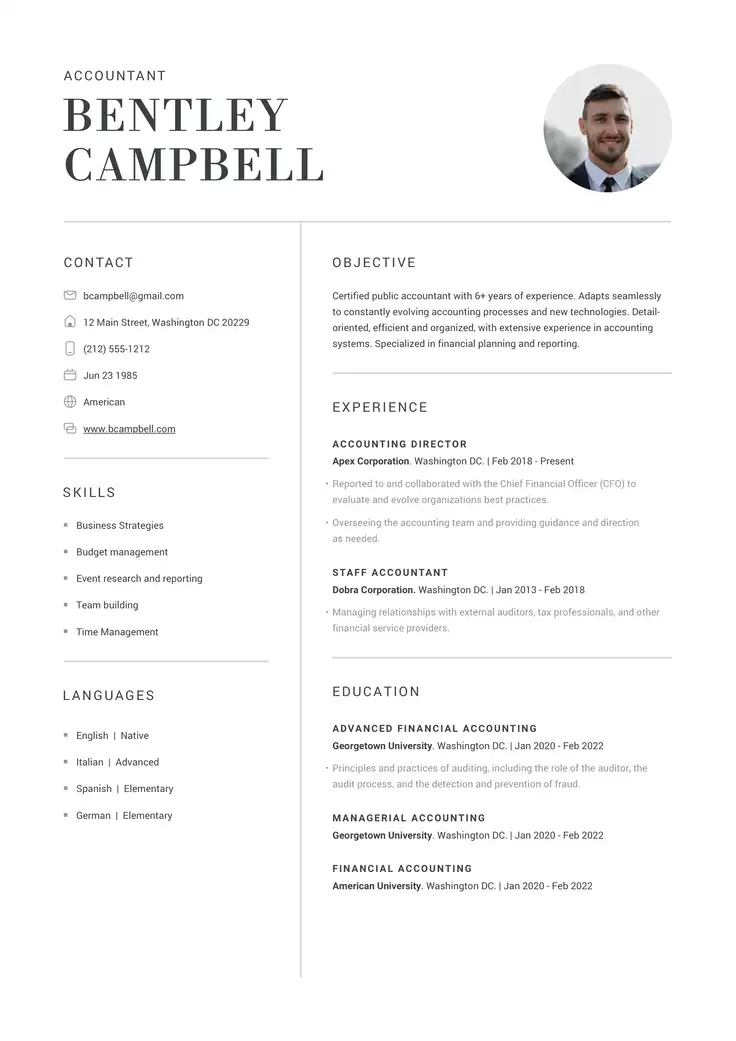
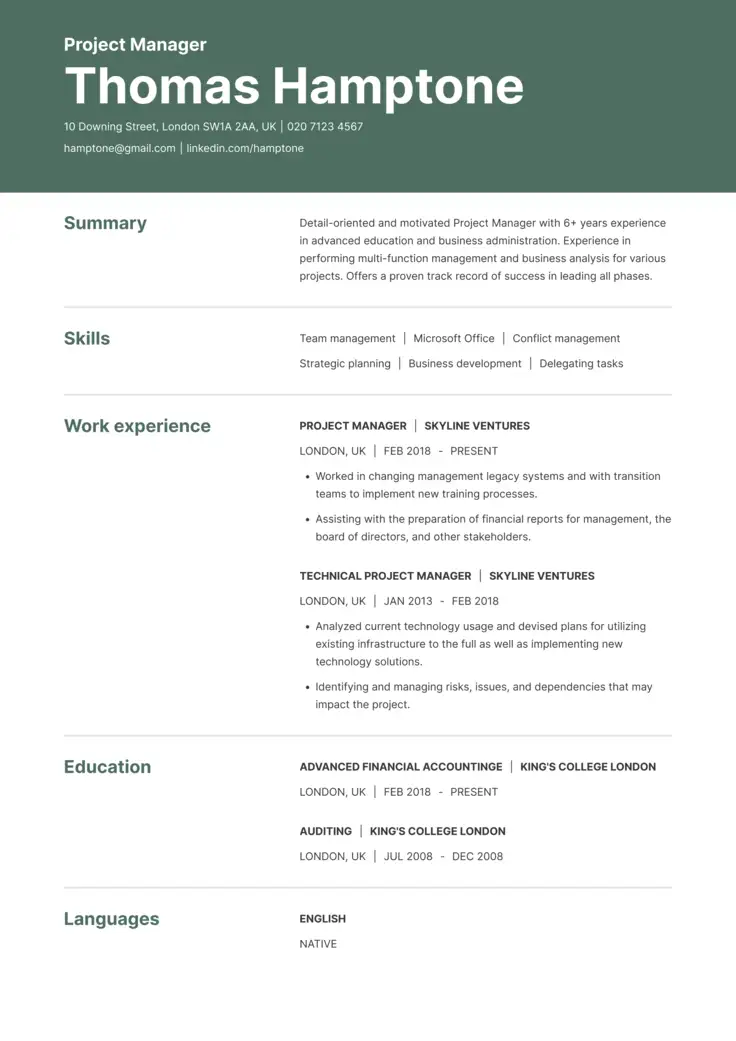
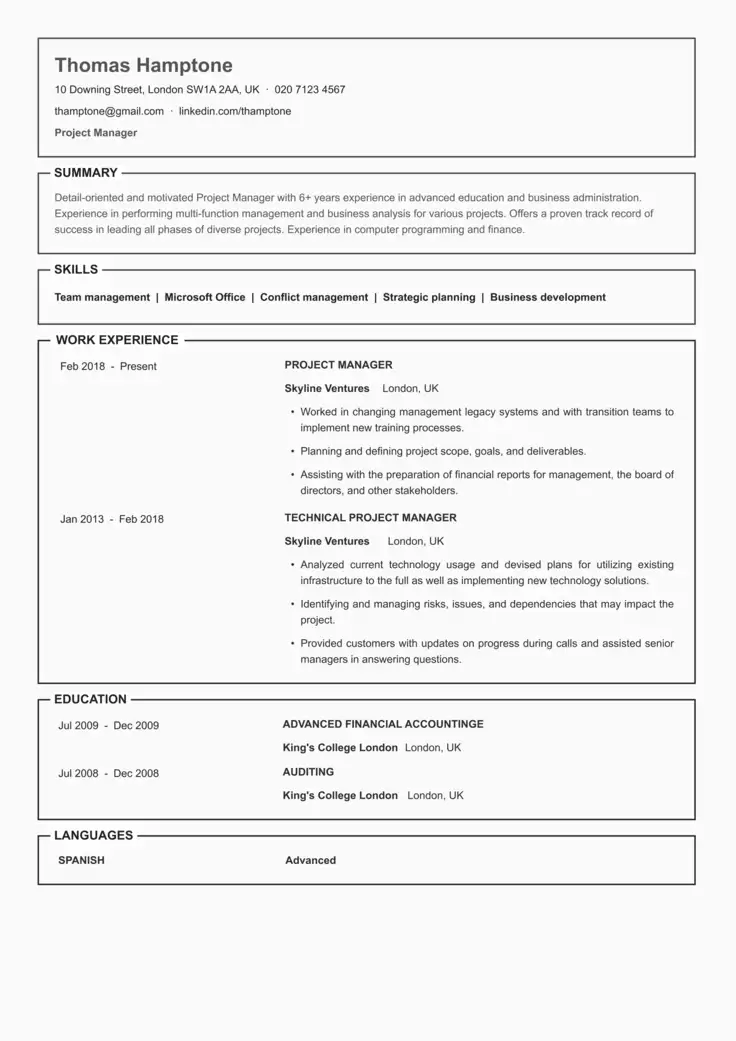
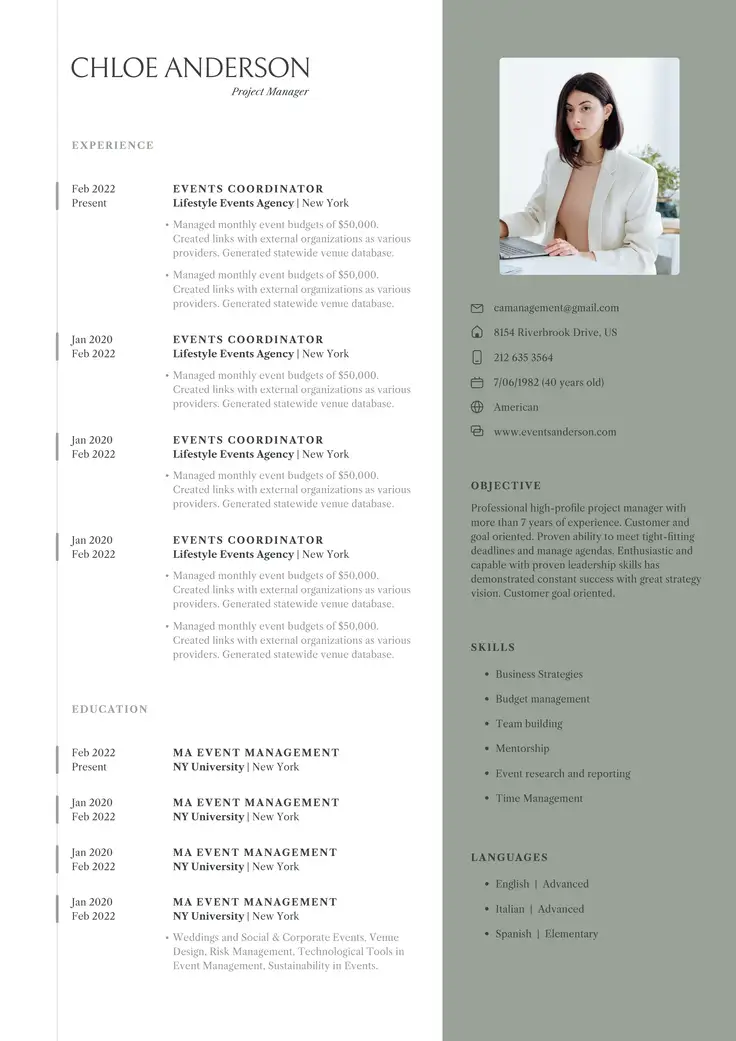
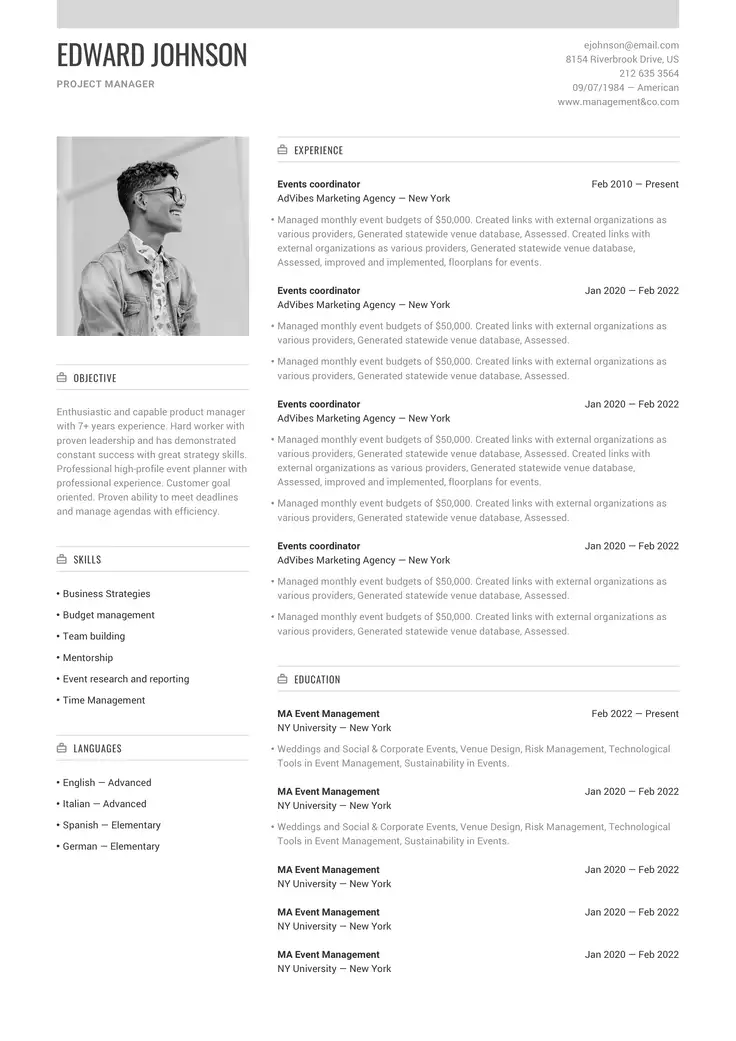
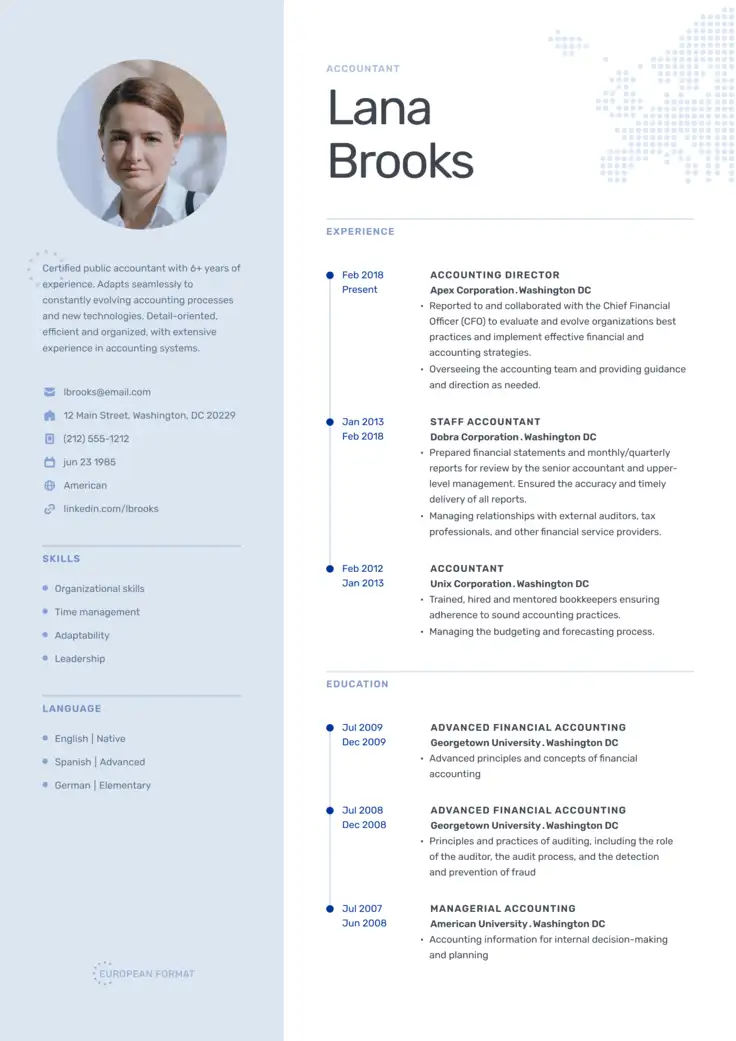
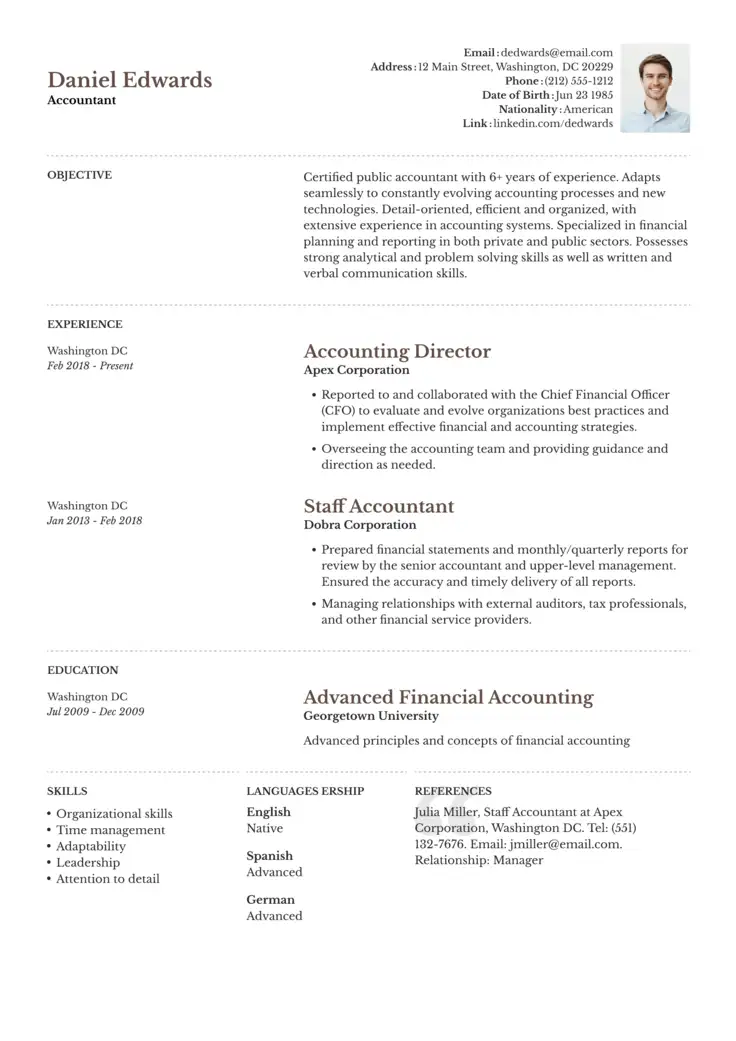
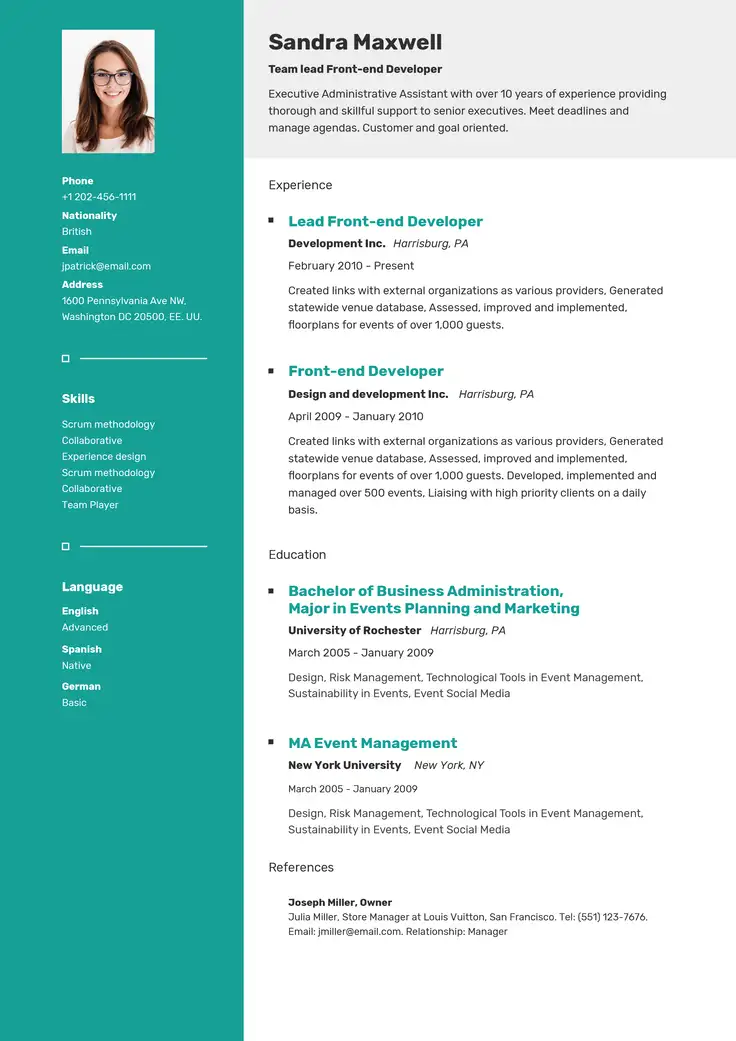
- One-page resume templates
Keep reading for key tips to help you create a resume that immediately shows why you’re the perfect fit for the role you want.
Build your perfect One-Page resume
How To Fit a Resume on One Page
You probably won’t be punished if your resume spills over into a second page, but a more concise resume is usually the best choice.
By making your resume shorter, it makes it easier for recruiters to see your most important skills and qualifications right away.
Here’s how you can do it the right way:
- Focus on your relevant experience: Review the job description before you start writing, and prioritize the experience and skills it asks for. Back up your achievements with quantifiable data wherever you can, like “Improved revenue by 25%” or “Led a team of 8”; numbers catch a recruiter’s eye faster than a list of duties.
- Use short bullet points: Swap paragraphs for bullet points in your work experience section, and keep each one focused on a single achievement or skill. This makes your most hireable qualifications easier for a recruiter to spot at a glance.
- Remove old or unrelated roles: Cut roles from more than 10-15 years ago unless they’re directly relevant to the job you’re applying for, and drop any position that doesn’t support the story you’re telling about your career. Older or unrelated jobs take up space without strengthening your application.
- Keep your summary short: Keep your summary to 2-3 sentences that highlight your strongest qualifications for the role; you don’t need to repeat the rest of your resume to make your case.
- Pick a clean layout: Adjust your margins to use the page efficiently, but don’t fill every inch with text; a resume that’s crammed edge to edge is hard to skim. Leave enough white space to keep the document easy on the eyes while still fitting everything on one page.
- Say more with fewer words: A resume isn’t meant to read like a story. Keep your sentences short and lean on strong action verbs instead of filler phrases, so recruiters can scan your achievements in seconds.
- Merge overlapping sections: If a section only holds one or two lines, don’t give it its own header. Fold it into a related section instead; for example, add a single award as a bullet point under your work experience rather than creating a standalone Awards section.
- Trim your contact details: You don’t need your full mailing address on the page, as recruiters won’t be reaching out by post. Keep it to your phone number, email, and a LinkedIn or portfolio link so your header stays clean and compact.
Create a One-Page Resume With ResumeCoach’s AI Builder
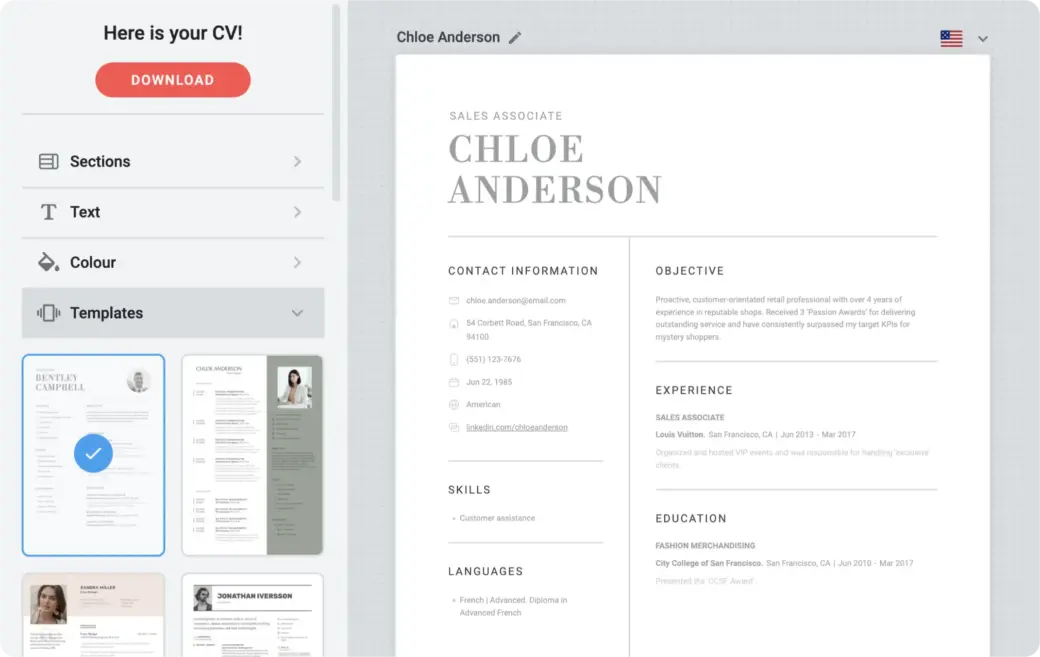
If you want to keep your resume concise and effective while matching the job description, you can use our AI resume builder tool for instant suggestions and tips.
With our builder, you can:
- Create a new resume or improve your current one
- Get detailed section-by-section grades
- Receive instant suggestions for relevant skills and qualifications
- Access ATS-friendly templates
Try our intuitive tool and make sure your resume is ready to instantly impress recruiters.
One-Page Resume Examples
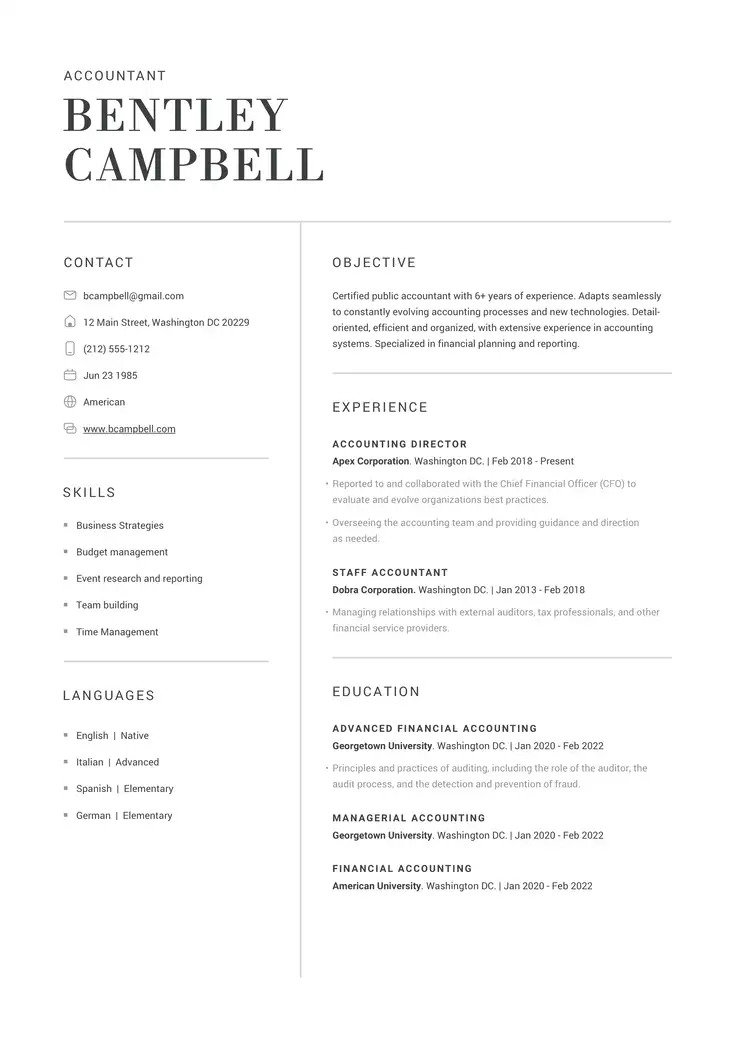
Review the following one-page resume templates to help you create yours, whether you’re an experienced job seeker or an entry-level candidate.
One-page resume example: Experienced applicant
Jordan M. Jobseeker
San Francisco, CA 94107
Phone: (555) 234-7890
Email: jordan.jobseeker@randomemail.com
Summary
Senior Software Engineer with 10+ years of experience building scalable web applications and leading cross-functional teams. Proven track record of improving system performance and delivering high-impact solutions. Skilled in full-stack development, cloud infrastructure, and agile methodologies.
Skills
- Full-Stack Development (JavaScript, Python, React)
- Cloud Platforms (AWS, Azure)
- API Design & Integration
- Database Management (SQL, NoSQL)
- Agile & Scrum Methodologies
Experience
Senior Software Engineer
TechWave Solutions, San Francisco, CA
June 2018 – Present
- Led development of a SaaS platform used by 50,000+ users, improving load time by 35%
- Mentored a team of 8 developers and optimized deployment processes
Software Engineer
CodeBridge Inc., San Jose, CA
March 2014 – May 2018
- Built and maintained web applications, increasing user engagement by 20%
- Collaborated with product teams to implement new features
Education
Bachelor of Science in Computer Science
University of California, Berkeley
One-page resume example: Entry-level applicant
Emily R. Jobsearcher
Dallas, TX 75201
Phone: (555) 876-4321
Email: emily.jobsearcher@randomemail.com
Summary
Detail-oriented accounting graduate with a strong foundation in financial reporting, bookkeeping, and data analysis. Eager to apply academic knowledge in a professional setting and contribute to accurate financial operations.
Skills
- Financial Statement Preparation
- Accounts Payable & Receivable
- Microsoft Excel (Pivot Tables, VLOOKUP)
- QuickBooks & Accounting Software
- Attention to Detail & Organization
Education
Bachelor of Business Administration in Accounting
University of Texas at Dallas
Internship Experience
Accounting Intern
GreenField Finance, Dallas, TX
June 2023 – August 2023
- Assisted with monthly financial reports and reconciliations
- Processed invoices and maintained accurate financial records
- Supported senior accountants with data entry and audits
Certifications
- Certified Bookkeeper (In Progress)
What To Include and Leave Out of a One-Page Resume
A single-page resume works best when you focus on relevant details and remove anything that doesn’t add clear value. Here’s what you should and shouldn’t look to add:
| What to include | What not to include |
|---|---|
| Recent, relevant work experience tailored to the job | Outdated roles that no longer reflect your skills |
| Key achievements with measurable results | Generic responsibilities without impact |
| Skills aligned with the job description | Long lists of unrelated or basic skills |
| A concise professional summary | Lengthy objectives or repeated information |
| Education and certifications relevant to the role | Personal details like age, photo, or your full address |
FAQs About Single-Page Resumes
Go over the following answers to common questions about creating one-page resumes to clear up any doubts you may have.
To keep your resume to a single page, focus on the most relevant experience and tailor your content to the specific job.
To maximize space, use concise bullet points and avoid repetition. Also, make sure your summary statement is brief and select a clean layout with adequate spacing.
To create a compelling one-page resume, you must include key elements like a concise professional summary, your most relevant professional experience, essential skills, and your educational background.
Also, emphasize tangible accomplishments rather than only listing duties, and strategically tailor all content to the specific job requirements while keeping this information to a single line if possible.
No, a resume does not have to be limited to just one page. While a single page is ideal for early or mid-career professionals, if you have extensive experience, you may need more space. The key is to keep the content relevant and easy for recruiters to scan quickly.
A one-page resume should always be single-sided. Printing a double-sided document is not a good idea, as it can inconvenience recruiters and may cause issues when scanning into digital systems.
If you need more space because you have a lot of relevant experience and it doesn’t fit on one page, you can extend the resume to a new page instead of the back of the first page.
A one-page resume should typically cover up to 10 years of experience at most. To keep it brief, try to focus on your recent and relevant roles that most align with the job you’re applying for.
Your older roles can be left out unless they add significant value to your current career goals.
A two-page resume is usually fine if you have 10+ years of relevant experience, and recruiters won’t hold it against you. A three-page resume is rarely justified, though. If you’re at three pages, focus on cutting older or less relevant roles rather than adding a fourth.
Prioritize your last 10 to 15 years of experience and summarize anything older in a single “Earlier Experience” line. Group similar achievements under one bullet point instead of repeating them across multiple roles.
Yes, ResumeCoach’s AI Resume Builder can tighten up your resume automatically, trimming wordy bullet points and suggesting more concise phrasing while keeping your key achievements intact.
Yes, ResumeCoach’s AI Resume Builder can tighten up your resume automatically, trimming wordy bullet points and suggesting more concise phrasing while keeping your key achievements intact.
Keep each bullet to one line and start with an action verb. Cut phrases that don’t add real information, like “responsible for” or “worked on”, one bullet should highlight one achievement, not list a full set of tasks.
Our online Resume Builder comes with extra capabilities
- Editor available in 13 languages
- Create several resumes and cover letters
- Secure permanent storage
- Usable on a variety of devices

Struggling with Resume Writing?
Ease the process with our templates